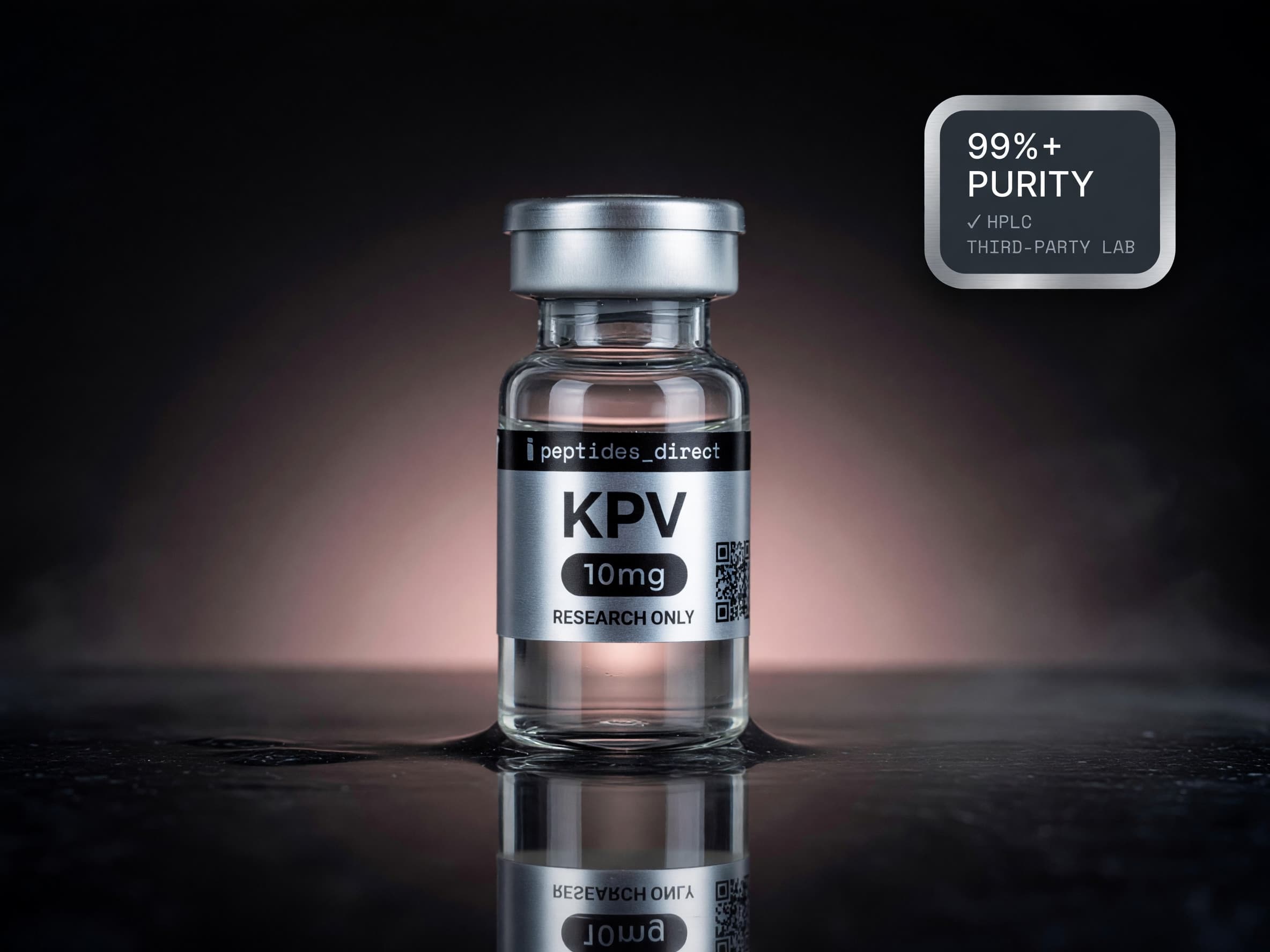
KPV
Anti-inflammatory tripeptide derived from alpha-MSH (positions 11-13). Inhibits NF-kB signaling, supports gut barrier integrity, and shows antimicrobial activity. A targeted approach to inflammation research without broad immunosuppression.
99.54%Third-party lab: Kovera LabsView COA€39.99
€46.99
−15%savedFor Research Use Only
This product is sold strictly for in-vitro research and laboratory use. Not intended for human consumption or any in-vivo application.
Payment Methods
Calms NF-kB signaling
KPV blocks NF-kB, the master switch that turns on inflammation genes. Less NF-kB activity means fewer inflammatory cytokines in research models.
alpha-MSH fragment
KPV is the tail end of alpha-MSH, the body's own anti-inflammatory hormone. It keeps the calming signal but skips the pigment-related effects of the full peptide.
Gut barrier focus
Studies in colitis models show KPV reaches gut cells through the PepT1 transporter and lowers inflammation right at the intestinal lining.
Antimicrobial activity
Lab work reports activity against bacteria like Staphylococcus aureus and the yeast Candida albicans, even at small concentrations.
Skin and keratinocyte signaling
Acts on skin cells through melanocortin pathways, which is why KPV shows up in research on inflammatory skin conditions.
Tiny but stable
Just three amino acids (Lys-Pro-Val). Small size means easier handling, good solubility, and stable storage as lyophilized powder.
Research areas
What is KPV
KPV is a tiny tripeptide made of three amino acids: lysine, proline, and valine. It is the C-terminal fragment of alpha-MSH, a natural hormone the body uses to dial down inflammation. Researchers isolated this fragment because it keeps the anti-inflammatory action of the parent hormone without the pigment-related effects, making it a cleaner tool for inflammation studies.
We supply KPV in lyophilized (freeze-dried) form, the same format used in published research protocols.
How it works
KPV interrupts inflammation at one of its central switches: NF-kB. When immune cells get triggered, NF-kB moves into the cell nucleus and turns on dozens of inflammation genes. KPV slows that step down. Less NF-kB activity means lower output of pro-inflammatory cytokines like TNF-alpha and IL-6 in cell experiments.
In gut research, the picture is even more specific. Intestinal cells carry a transporter called PepT1 that pulls small peptides inside. Studies show KPV uses this same transporter to reach gut cells and calm inflammation directly at the intestinal lining, which is why it has become a model peptide in colitis research.
Beyond inflammation, lab work also reports activity against bacteria and yeast, plus signaling effects in skin cells (keratinocytes) through melanocortin receptors. That broad profile, anti-inflammatory plus mild antimicrobial plus skin-active, is why KPV keeps appearing across very different research fields.
Often studied alongside
KPV is most often paired with GHK-Cu in skin and regeneration research. The two peptides hit different targets (GHK-Cu drives collagen and copper-dependent repair, KPV calms inflammation), which is why they are popular as a "glow" combination in cosmetic-research blends.
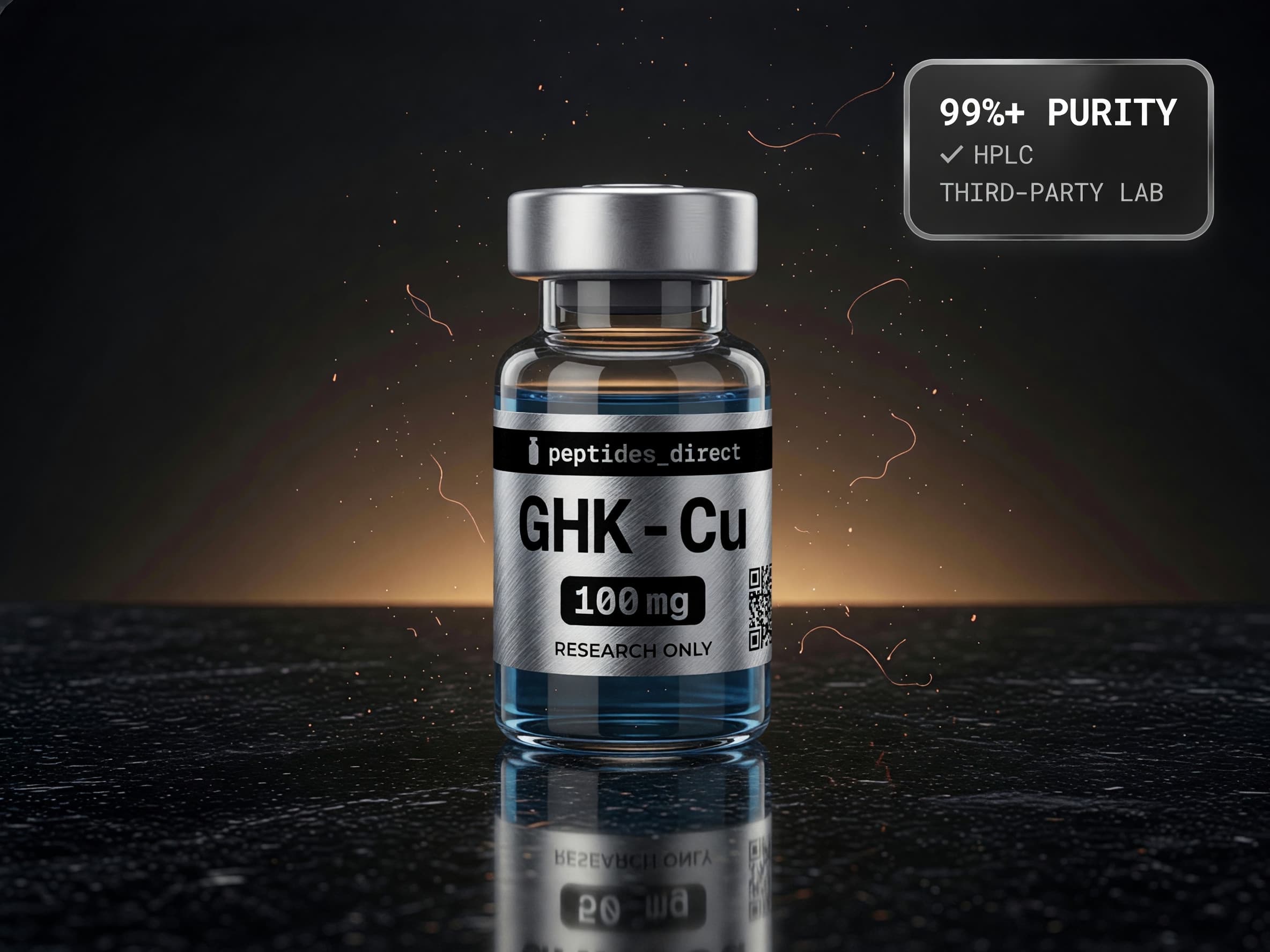
Copper peptide commonly paired with KPV in skin research
Naturally occurring copper tripeptide complex for skin regeneration and anti-aging research. Stimulates collagen synthesis, accelerates wound healing, and modulates 4000+ genes. Plasma levels decline with age, making it a key target in longevity research.
For combined skin-research protocols, our pre-mixed Glow blend supplies both peptides in a single research-grade vial.
GHK-Cu and KPV pre-mixed research blend
3-in-1 skin peptide blend: GHK-Cu 50mg + BPC-157 10mg + TB-500 10mg. Targets collagen synthesis, tissue regeneration, and skin repair for comprehensive dermatological research.
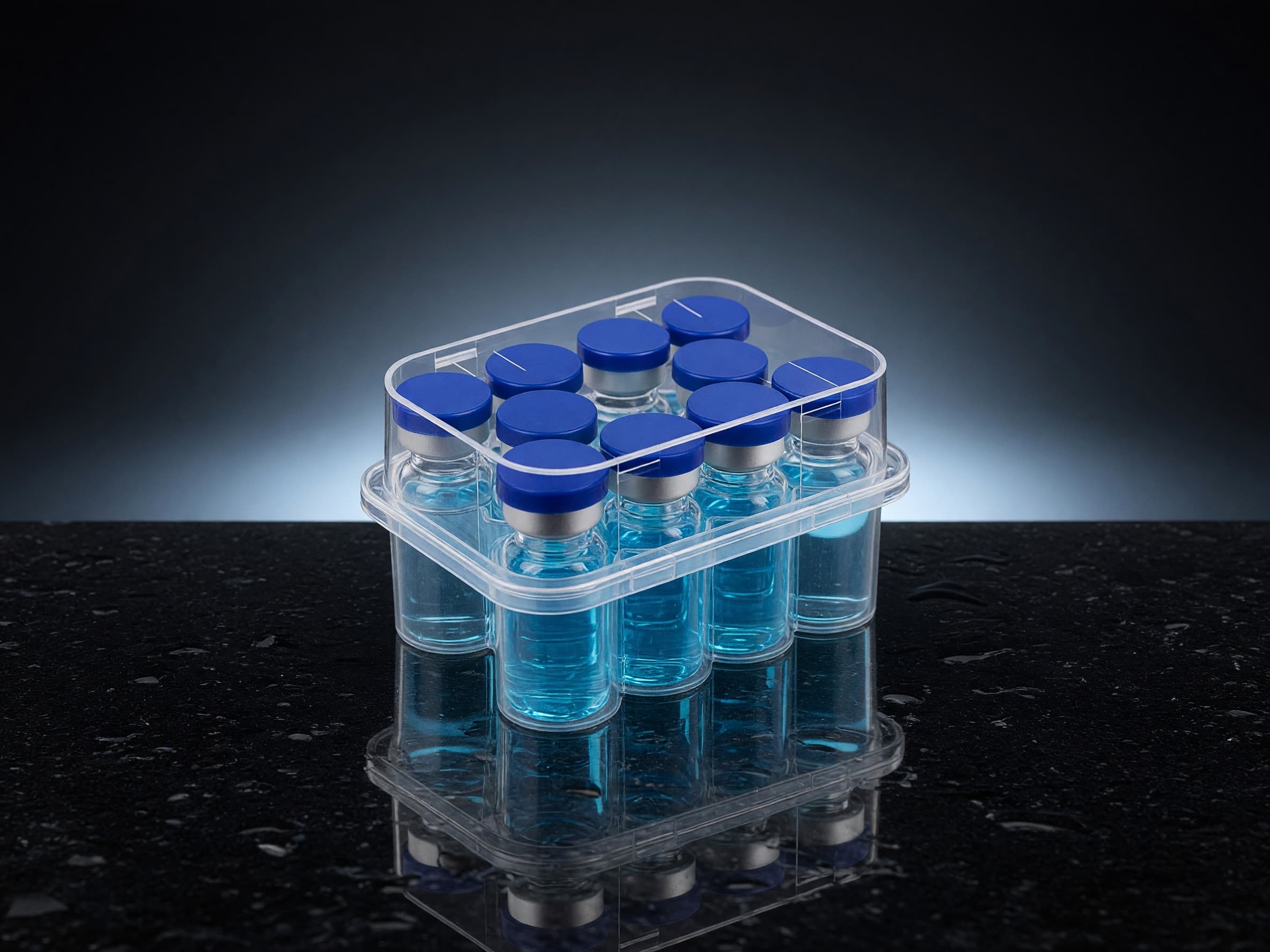
For reconstitution, the standard solvent in published protocols is bacteriostatic or sterile water. KPV dissolves cleanly and stays clear once mixed.
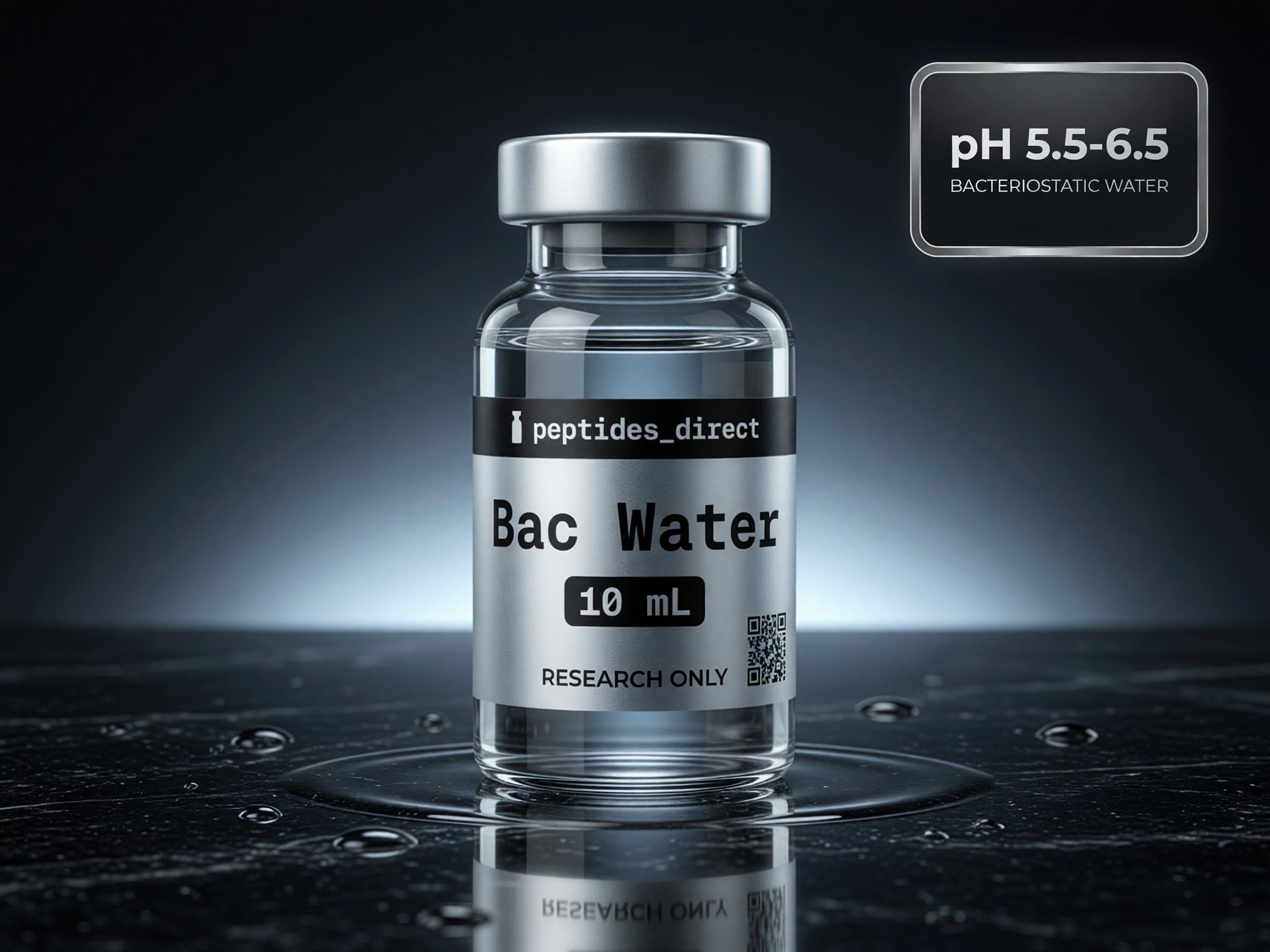
Standard solvent for reconstitution
USP-grade sterile water with 0.9% benzyl alcohol (near-neutral, pH 6.2 to 6.4) - the standard solvent for reconstituting lyophilized peptides. Essential accessory for any peptide research. Each vial is sealed and ready to use.
Documentation
Material specification
Purity
Test method
Form
Storage (sealed)
Storage (reconstituted)
CoA
Selected research
- PMID 18061177
Dalmasso G et al. PepT1-mediated tripeptide KPV uptake reduces intestinal inflammation
Gastroenterology, 2008, NF-kB inhibition and colitis model - PMID 18092346
Kannengiesser K et al. Melanocortin-derived tripeptide KPV has anti-inflammatory potential in murine models of inflammatory bowel disease
Inflamm Bowel Dis, 2008, IBD mouse model - PMID 10670585
Cutuli M et al. Antimicrobial effects of alpha-MSH peptides
J Leukoc Biol, 2000, antimicrobial activity of KPV fragment - PMID 16274845
Kelly JM et al. Immobilized alpha-MSH 10-13 (GKPV) inhibits TNF-alpha stimulated NF-kappaB activity
Peptides, 2006, NF-kB pathway in cell culture - PMID 18612139
Brzoska T et al. Alpha-MSH and related tripeptides: antiinflammatory and protective effects in vitro and in vivo
Endocr Rev, 2008, canonical mechanism review - PMID 15102092
Elliott RJ et al. alpha-MSH, MSH 11-13 KPV and ACTH signalling in human keratinocyte cells
J Invest Dermatol, 2004, skin cell signaling - PMID 17934097
Luger TA, Brzoska T. alpha-MSH related peptides: a new class of anti-inflammatory and immunomodulating drugs
Ann Rheum Dis, 2007, immunomodulation review
Research use only
This material is sold strictly for in-vitro research and laboratory use. Not intended for human or animal consumption, medical, cosmetic, or household applications. Suitable only for professional laboratory environments.
Storage and stability
- Dry, lyophilized vials keep for months refrigerated, or up to 24 months frozen at -20°C.
- After reconstitution in bacteriostatic water, use within about 30 days at 2 to 8°C, and avoid repeated freeze-thaw.
Reviews
No reviews yet. Write the first one!
Only customers who ordered the product from us can leave a review; we verify this automatically against the order number. Every review submitted is published, regardless of star rating. Rewarded reviews from our coupon program are individually labelled.
Frequently Asked Questions
Technical data sheet
- CAS number
- 67727-97-3
- Molecular formula
- C₁₆H₃₀N₄O₄
- Molar mass
- 342.4 g/mol
- Type / receptor
- Anti-inflammatory tripeptide
- Form
- White lyophilized powder
- Solubility
- Bacteriostatic water (BAC)
- Storage
- -20°C for up to 24 months; 30 days at 2-8°C after reconstitution
Identity data from public chemical references (PubChem). Per-batch purity: see lab reports below.
Frequently bought together
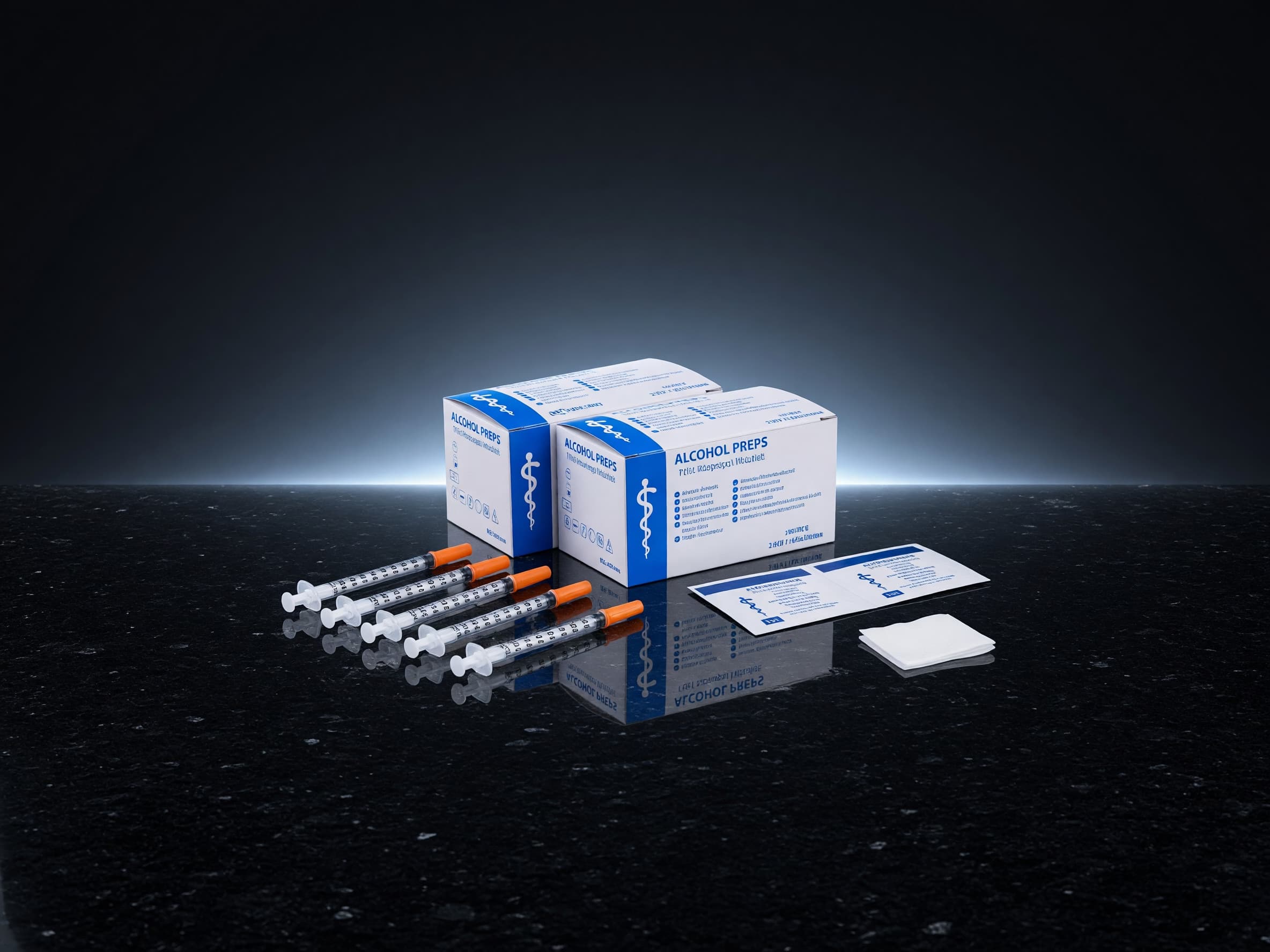
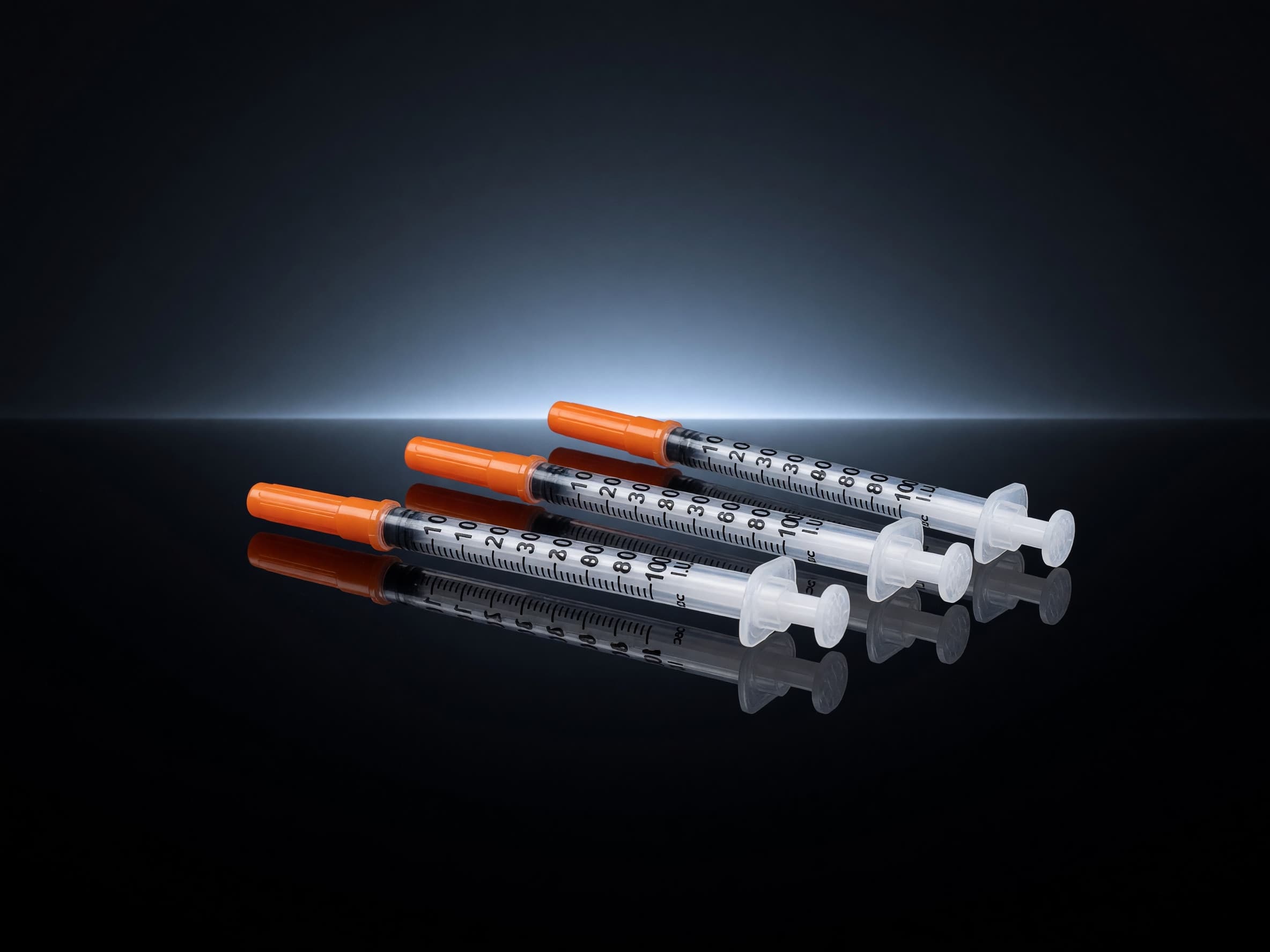
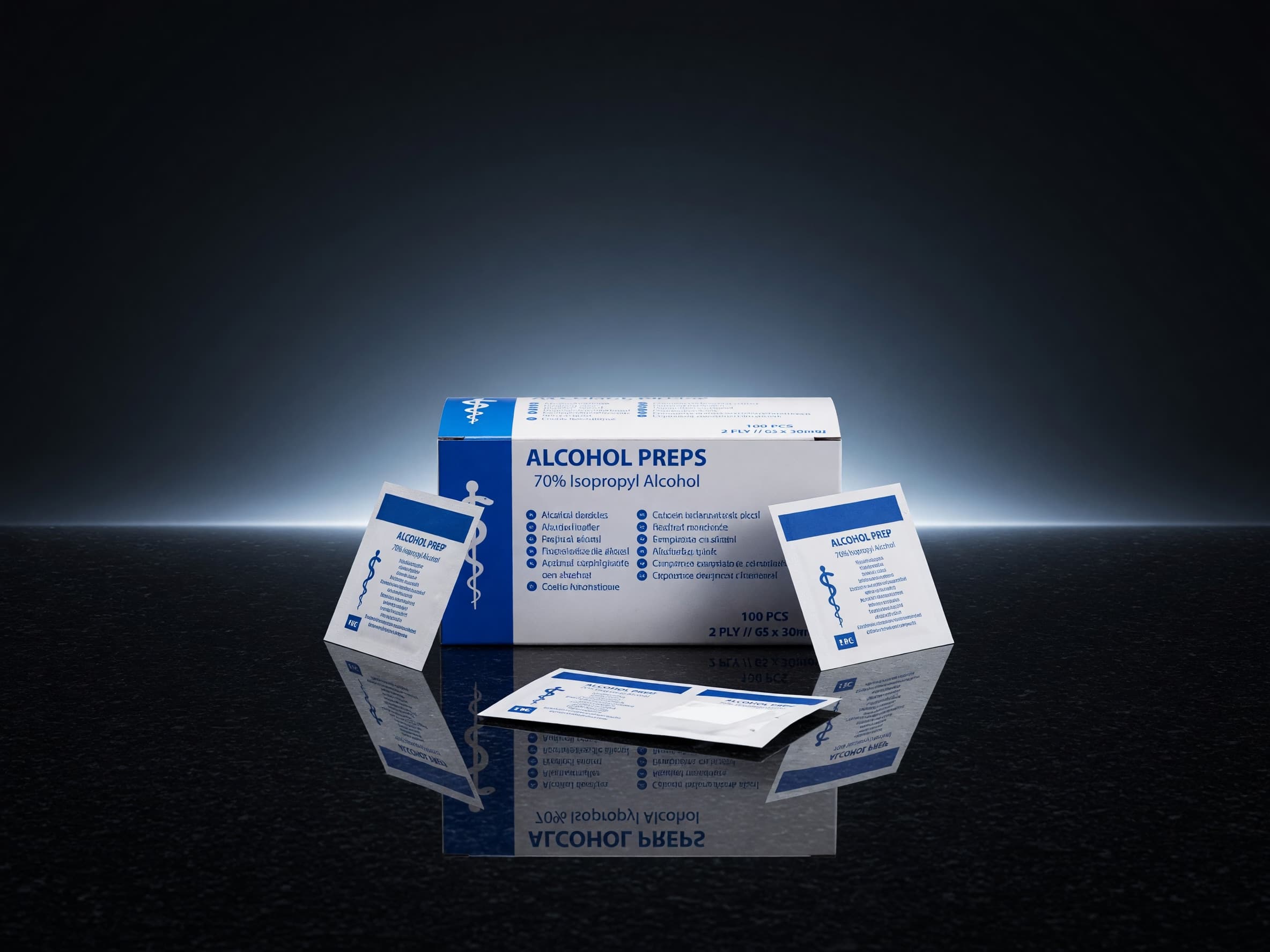
Complete your subcutaneous research workflow