GHK-Cu
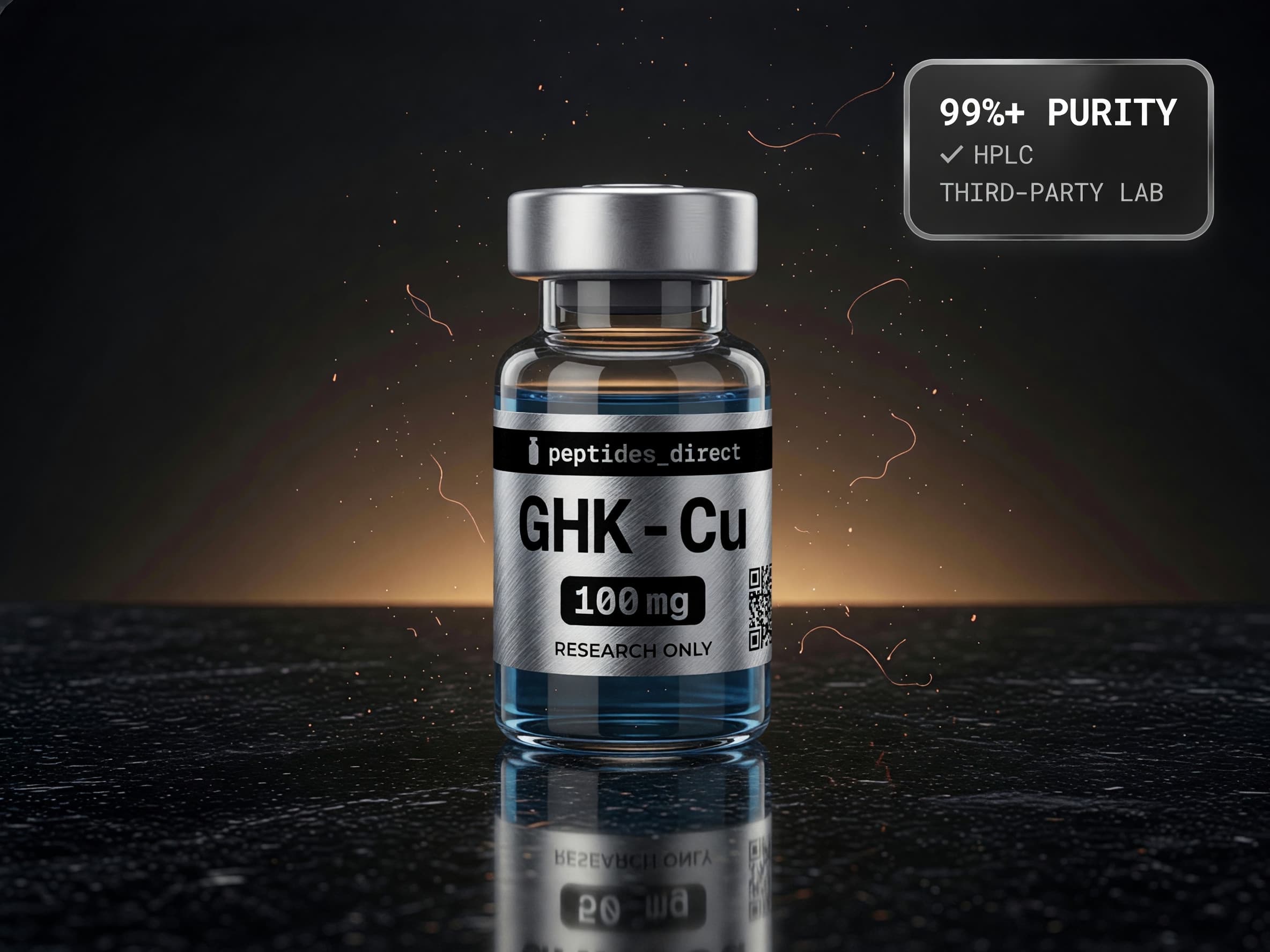
Naturally occurring copper tripeptide complex for skin regeneration and anti-aging research. Stimulates collagen synthesis, accelerates wound healing, and modulates 4000+ genes. Plasma levels decline with age, making it a key target in longevity research.
99.87%Third-party lab: Kovera LabsView COA5.03 reviews€57.99
€65.99
−12%(€8.00)savedFor Research Use Only
This product is sold strictly for in-vitro research and laboratory use. Not intended for human consumption or any in-vivo application.
Payment Methods
Copper carrier
GHK binds copper and shuttles it into cells, where copper-dependent enzymes need it for repair and energy production.
Collagen builder
Triggers collagen production in skin cells, the building block of firm, elastic skin and connective tissue.
Wound-healing signal
Sparks new blood vessels and activates fibroblasts, the cell type that closes wounds in repair-focused research.
Calms inflammation
Lowers pro-inflammatory signals in research models, including studies on inflammatory bowel and acute inflammation.
Antioxidant support
Reduces oxidative-stress markers in cells, helping shield them from free-radical damage in lab studies.
Switches genes on and off
Modulates thousands of genes, including DNA-repair and protein-recycling pathways. This is what links GHK-Cu to anti-aging research.
Research areas
What is GHK-Cu
GHK-Cu is a small natural peptide that the body uses to carry copper into cells. It was first found in human plasma in the 1970s. Plasma levels drop with age, which is why researchers are interested in what GHK does and why losing it might matter.
We supply it as the copper-bound complex in lyophilized (freeze-dried) form: the same molecule used in the published studies.
How it works
Copper makes a lot of important enzymes work, from the antioxidant defense to collagen cross-linking. GHK delivers copper exactly where cells need it. On top of that, the peptide itself acts like a switch: it turns thousands of genes on or off, nudging cells toward a more youthful, regenerative state in laboratory experiments.
The strongest evidence is in skin and wound healing. Studies show GHK-Cu boosts collagen production, helps form new capillaries, activates the cells that close wounds, and dampens inflammation, all in cell cultures or animal models.
Often studied alongside
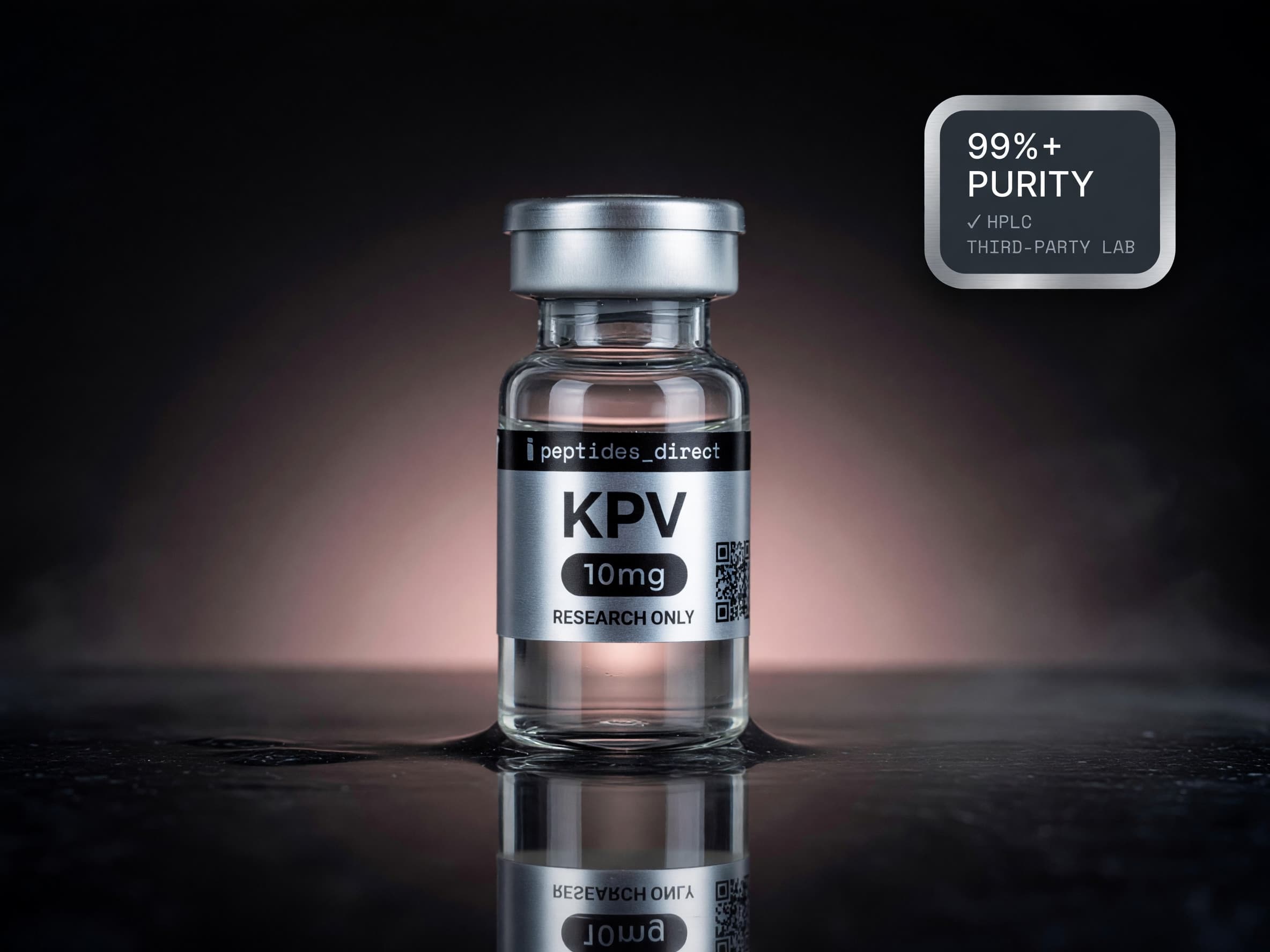
Combined-peptide research most often pairs GHK-Cu with KPV, a small anti-inflammatory peptide derived from alpha-MSH. Both are available in research-grade form below.
Anti-inflammatory peptide commonly paired with GHK-Cu
Anti-inflammatory tripeptide derived from alpha-MSH (positions 11-13). Inhibits NF-kB signaling, supports gut barrier integrity, and shows antimicrobial activity. A targeted approach to inflammation research without broad immunosuppression.
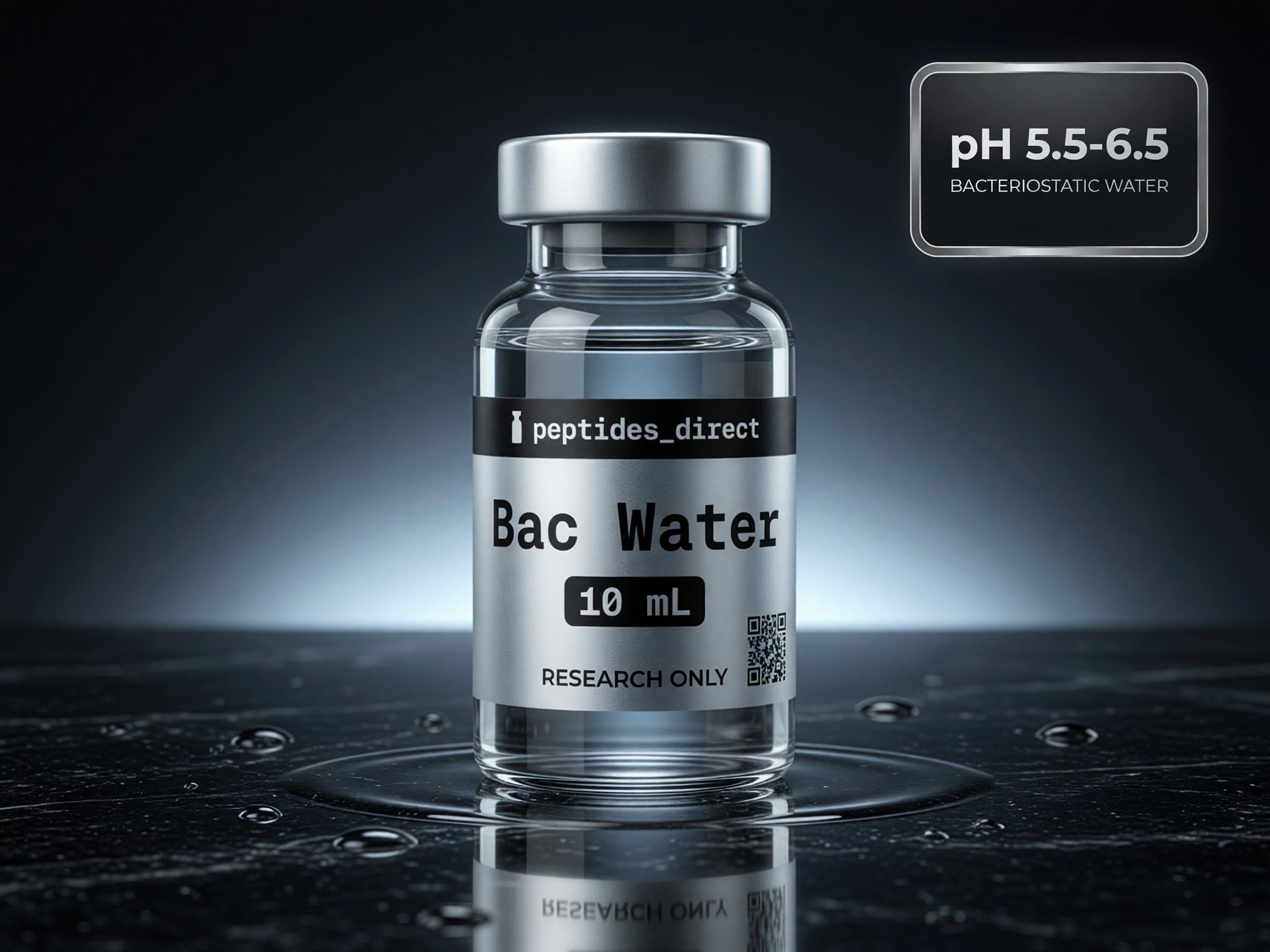
For reconstitution, the standard solvent in published protocols is bacteriostatic or sterile water. The dissolved peptide takes on a characteristic blue tint from the copper complex.
Standard solvent for reconstitution
USP-grade sterile water with 0.9% benzyl alcohol (near-neutral, pH 6.2 to 6.4) - the standard solvent for reconstituting lyophilized peptides. Essential accessory for any peptide research. Each vial is sealed and ready to use.
Documentation
Material specification
Purity
Test method
Form
Storage (sealed)
Storage (reconstituted)
CoA
Selected research
- PMID 29986520
Pickart L, Margolina A. Regenerative and Protective Actions of GHK-Cu in Light of New Gene Data
Int J Mol Sci, 2018, canonical mechanism review - PMID 26236730
GHK Peptide as a Natural Modulator of Multiple Cellular Pathways in Skin Regeneration
Biomed Res Int, 2015, collagen and immune-modulation review - PMID 39963574
Topically applied GHK as an anti-wrinkle peptide: advantages, problems, prospects
Bioimpacts, 2024, topical anti-wrinkle review - PMID 40672369
Beneficial effects of GHK-Cu in experimental colitis
Front Pharmacol, 2025, anti-inflammatory pathway in mice - PMID 41490200
Therapeutic Peptides in Orthopaedics: Applications, Challenges, Future Directions
J Am Acad Orthop Surg Glob Res Rev, 2026, wound-healing, ECM, fibroblast activation - PMID 41997403
GHK-Cu attenuates CuSO4- or LPS-induced inflammation in zebrafish larvae
Eur J Pharmacol, 2026, zebrafish anti-inflammatory model
Research use only
This material is sold strictly for in-vitro research and laboratory use. Not intended for human or animal consumption, medical, cosmetic, or household applications. Suitable only for professional laboratory environments.
Reconstitution: sensitive peptide
Some peptides react sensitively to the pH and quality of the reconstitution water and can turn cloudy or not fully dissolve if reconstituted incorrectly (for example with tap water, non-sterile water, old or contaminated bacteriostatic water, or the wrong water-to-peptide ratio). This is a common reconstitution matter, not an automatic sign of a faulty vial. Always reconstitute with fresh, pharmaceutical-grade diluent as prescribed by the product-specific protocol on this page (bacteriostatic or sterile water, or dilute acetic-acid water first where the page says so), add it slowly down the inner wall of the vial, and swirl gently instead of shaking. If it still looks cloudy right after mixing, let it rest for 10 to 15 minutes and swirl again before judging clarity. Correct technique and suitable water are the customer's responsibility, and so is following the product-specific instructions on this page. Where a peptide needs an acid-first protocol (it says so above, for example for AOD-9604 and Tesamorelin), reconstituting it in plain bacteriostatic water instead is a handling error, not a defect, and is not covered. If a vial stays cloudy after these steps, contact us with clear photos. We replace it free of charge once if you reconstituted with water from our own range or with factory-sealed water from a pharmaceutical manufacturer and followed the instructions on this page; with water of unknown origin the cause cannot be narrowed down and the case is not covered.
Use near-neutral bacteriostatic water (around pH 5.7); do not acidify. A blue to blue-green color is the copper and is normal.
The blue to blue-green color of copper peptides (GHK-Cu) is normal and not a defect.
Reconstitution itself, including the choice of diluent, volumes and technique, is part of the research work and lies with the customer; how a mix behaves once liquid meets powder is outside our control. Your statutory rights regarding genuine product defects remain unaffected.
Why peptides turn cloudy: the reconstitution guideStorage and stability
- Dry, lyophilized vials keep for months refrigerated, or up to 24 months frozen at -20°C.
- After reconstitution in bacteriostatic water, use within about 30 days at 2 to 8°C, and avoid repeated freeze-thaw.
Reviews
The blue content behind the label looks awesome. So far, no negative experiences with the product. Expecting to be a returning customer
PeterA coupon from our review program was granted for this review. 🇸🇪 · August 29, 2026
Dimitris S.A coupon from our review program was granted for this review. 🇬🇷 · August 22, 2026
AnonymousA coupon from our review program was granted for this review. 🇩🇪 · August 14, 2026
* Reviewer received a 5% thank-you coupon from our review program, independent of the rating.
Only customers who ordered the product from us can leave a review; we verify this automatically against the order number. Every review submitted is published, regardless of star rating. Rewarded reviews from our coupon program are individually labelled.
Frequently Asked Questions
Technical data sheet
- CAS number
- 89030-95-5
- Molecular formula
- C₁₄H₂₂CuN₆O₄
- Molar mass
- 401.91 g/mol
- Type / receptor
- Cu(II)-binding tripeptide complex
- Form
- Blue/turquoise lyophilized powder
- Solubility
- Bacteriostatic water (BAC)
- Storage
- -20°C for up to 24 months; 30 days at 2-8°C after reconstitution
Identity data from public chemical references (PubChem). Per-batch purity: see lab reports below.
Frequently bought together
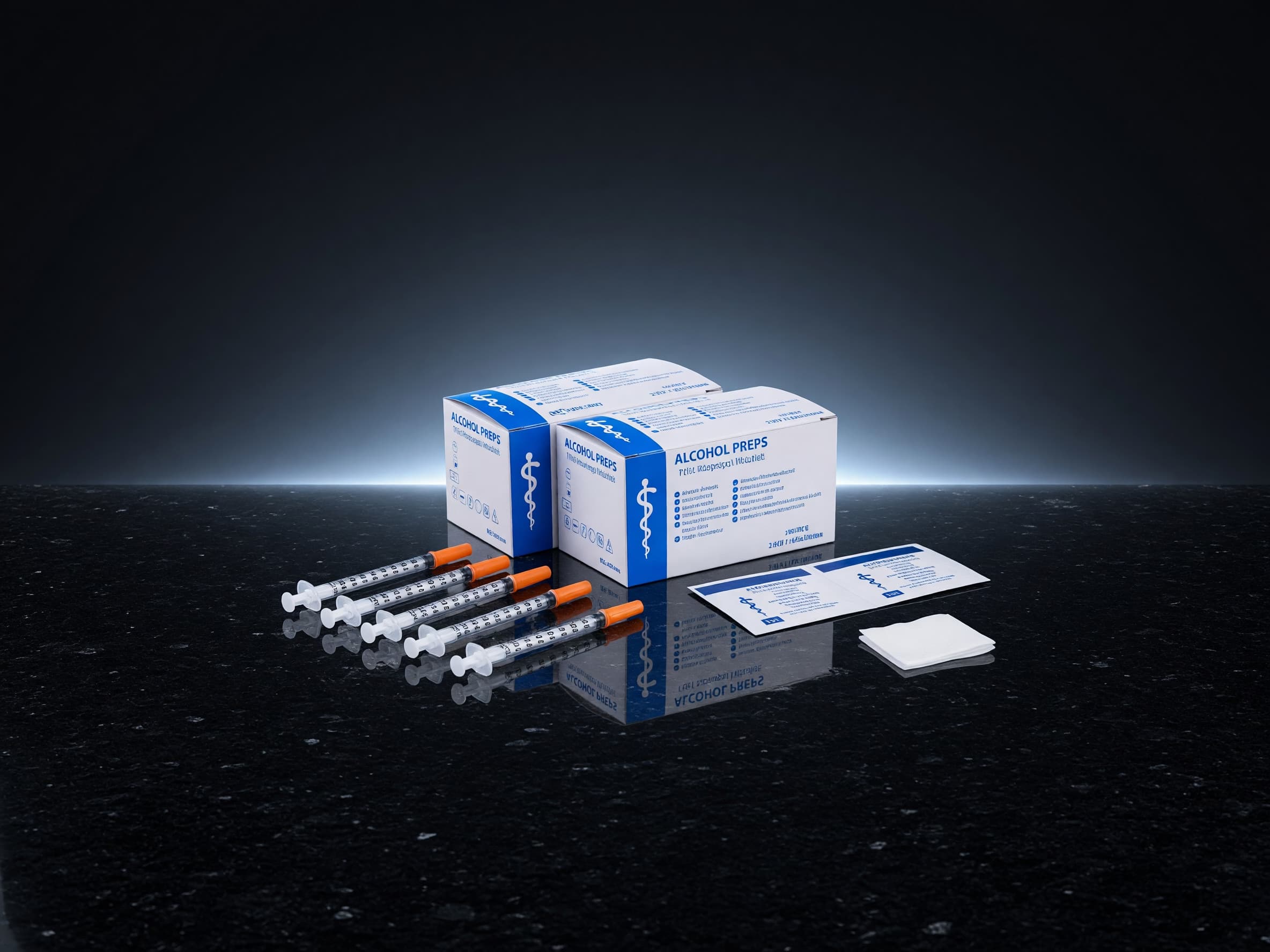
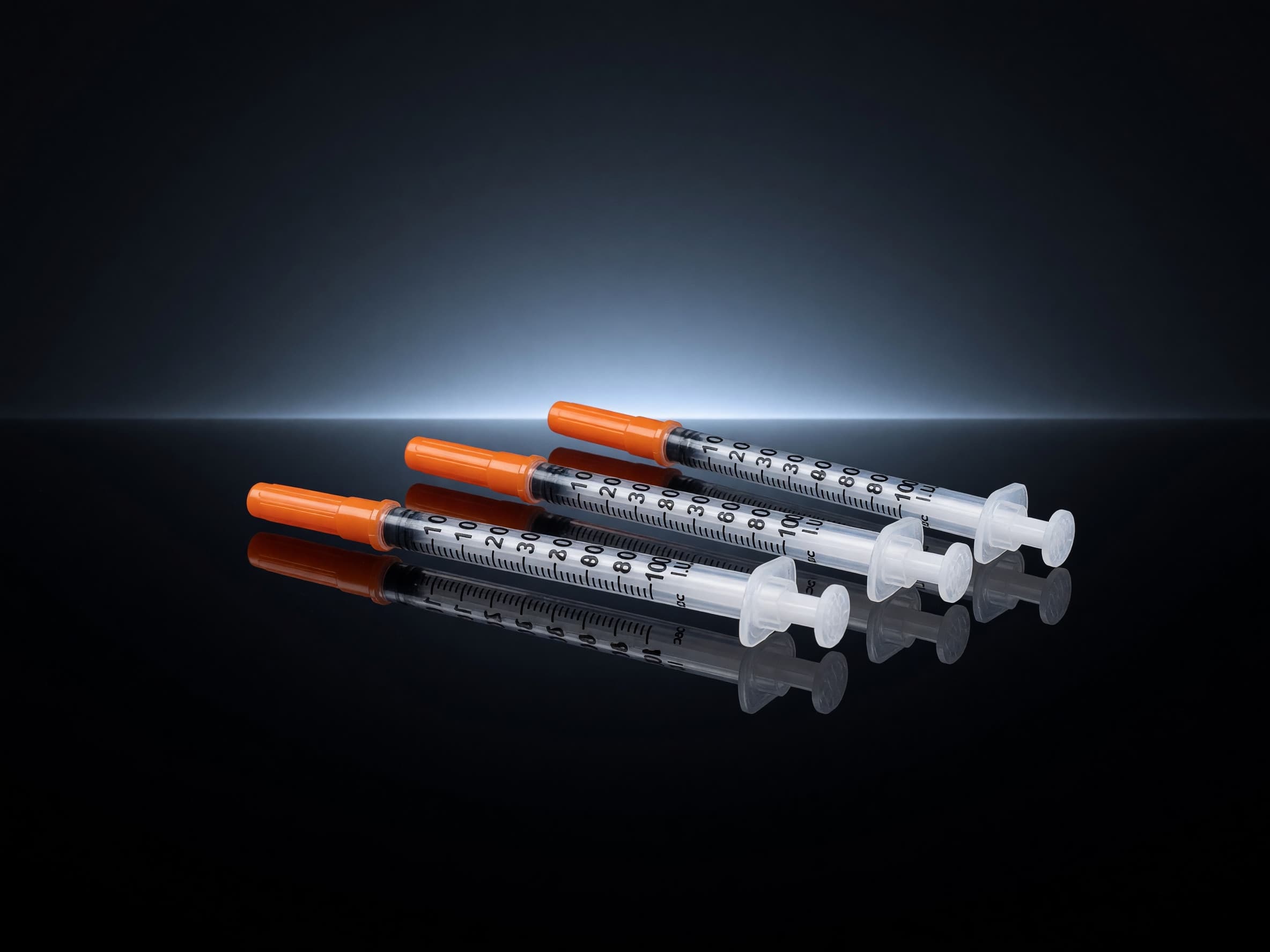
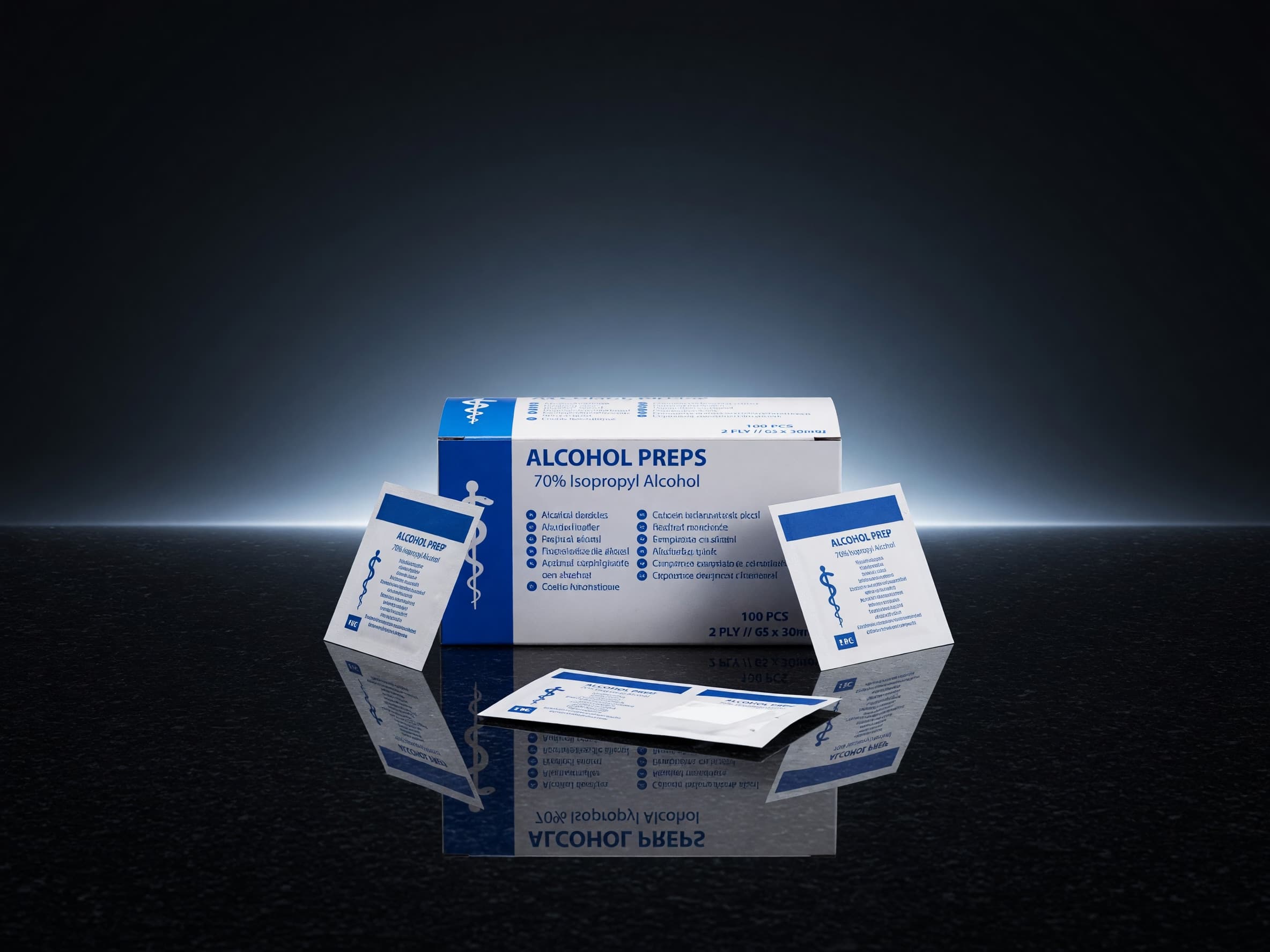
Complete your subcutaneous research workflow