BPC-157
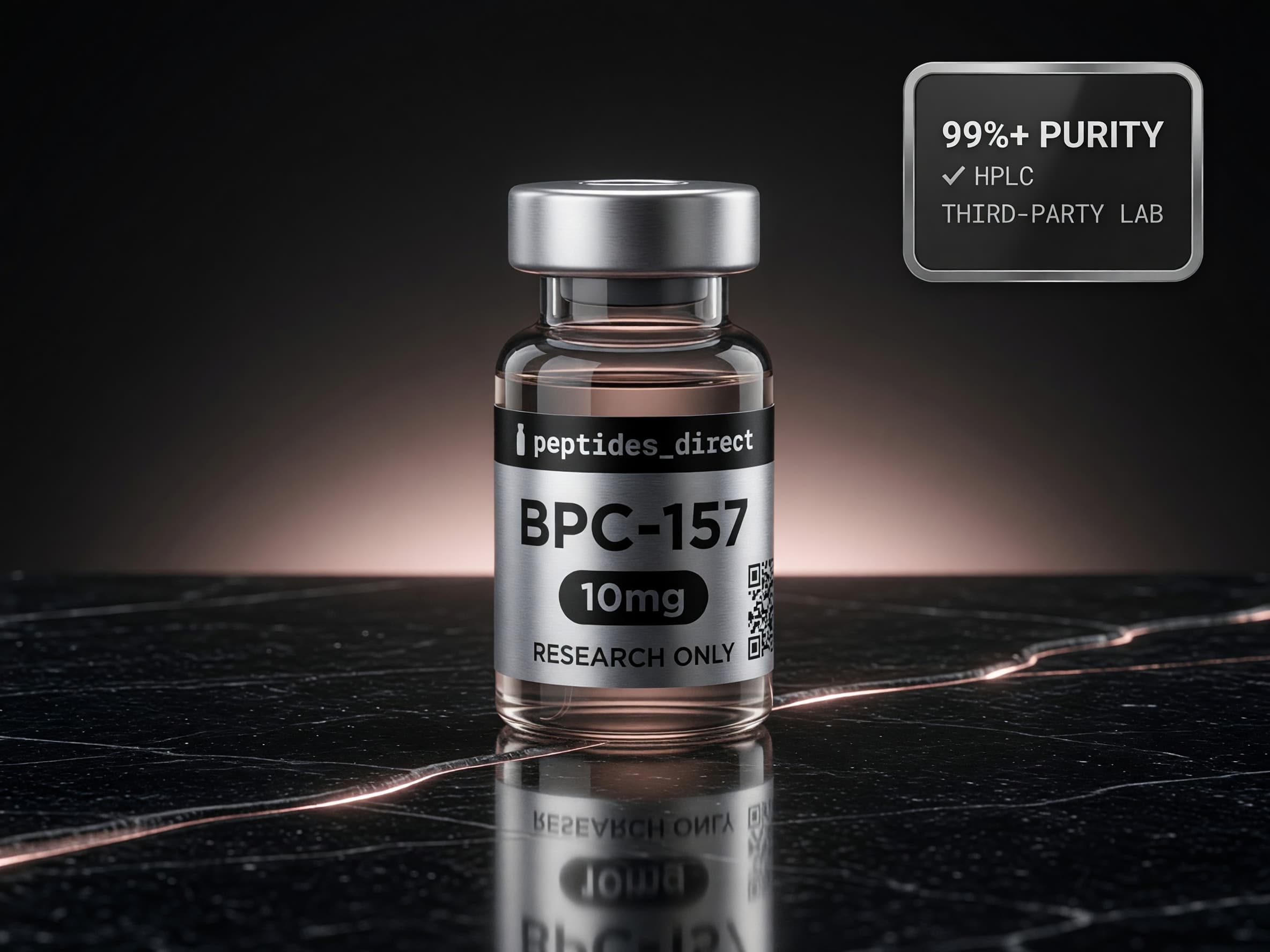
Gastric pentadecapeptide (15 amino acids) known for exceptional tissue repair properties. Promotes wound healing, angiogenesis, and cytoprotection across tendons, muscles, gut, and nerves. Over 30 years of preclinical research.
99.97%Third-party lab: Kovera LabsView COA5.01 review€41.99
€48.99
−14%(€7.00)savedFor Research Use Only
This product is sold strictly for in-vitro research and laboratory use. Not intended for human consumption or any in-vivo application.
Payment Methods
Tissue-repair signal
BPC-157 is studied for how it speeds up the repair of tendons, ligaments, and muscle in animal injury models.
New blood vessels
Activates the pathway cells use to grow tiny new blood vessels, the supply line that carries oxygen into healing tissue.
Gut-protective in lab models
Originally isolated from a gastric protein, the peptide is researched for its protective effect on the stomach and intestinal lining.
Nitric oxide pathway
Research suggests BPC-157 works through the nitric oxide system, the same signal cells use to control blood flow and inflammation.
Calms inflammation
Reduces inflammatory markers in animal studies on injury, colitis, and post-surgical recovery.
Early human safety data
A 2025 pilot study reported intravenous BPC-157 was well tolerated in healthy adults with no adverse effects on tested biomarkers.
Research areas
What is BPC-157
BPC-157 is a short synthetic peptide of 15 amino acids. The sequence was identified inside a larger protein found in human gastric juice, which is where the name comes from: Body Protection Compound. Researchers became interested in it after noticing how stable it was in stomach acid and how broadly it seemed to support tissue repair across different organs.
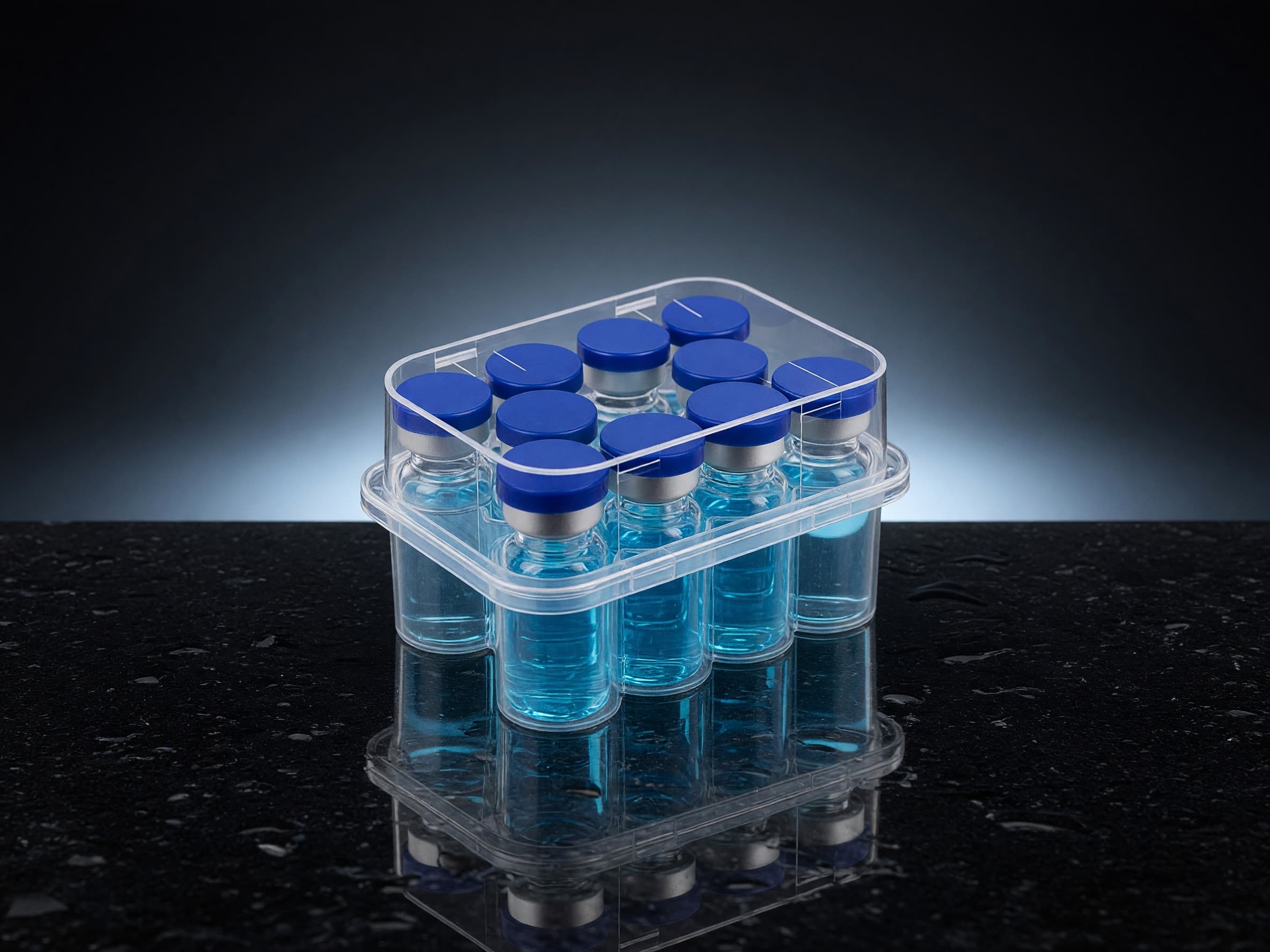
We supply BPC-157 as a lyophilized (freeze-dried) powder, the same form used in published research protocols.
How it works
BPC-157 appears to act like a general repair signal. In animal studies it speeds up the formation of new blood vessels around an injury, which feeds the healing tissue with oxygen and nutrients. Much of this effect is linked to the nitric oxide pathway, the same system the body uses to widen vessels and control inflammation.
On top of that, the peptide raises growth-factor activity at the wound site, dampens inflammatory signaling, and protects the stomach lining from damage in lab models. These overlapping effects are why it is investigated across so many tissue types, from tendon to gut.
Often studied alongside
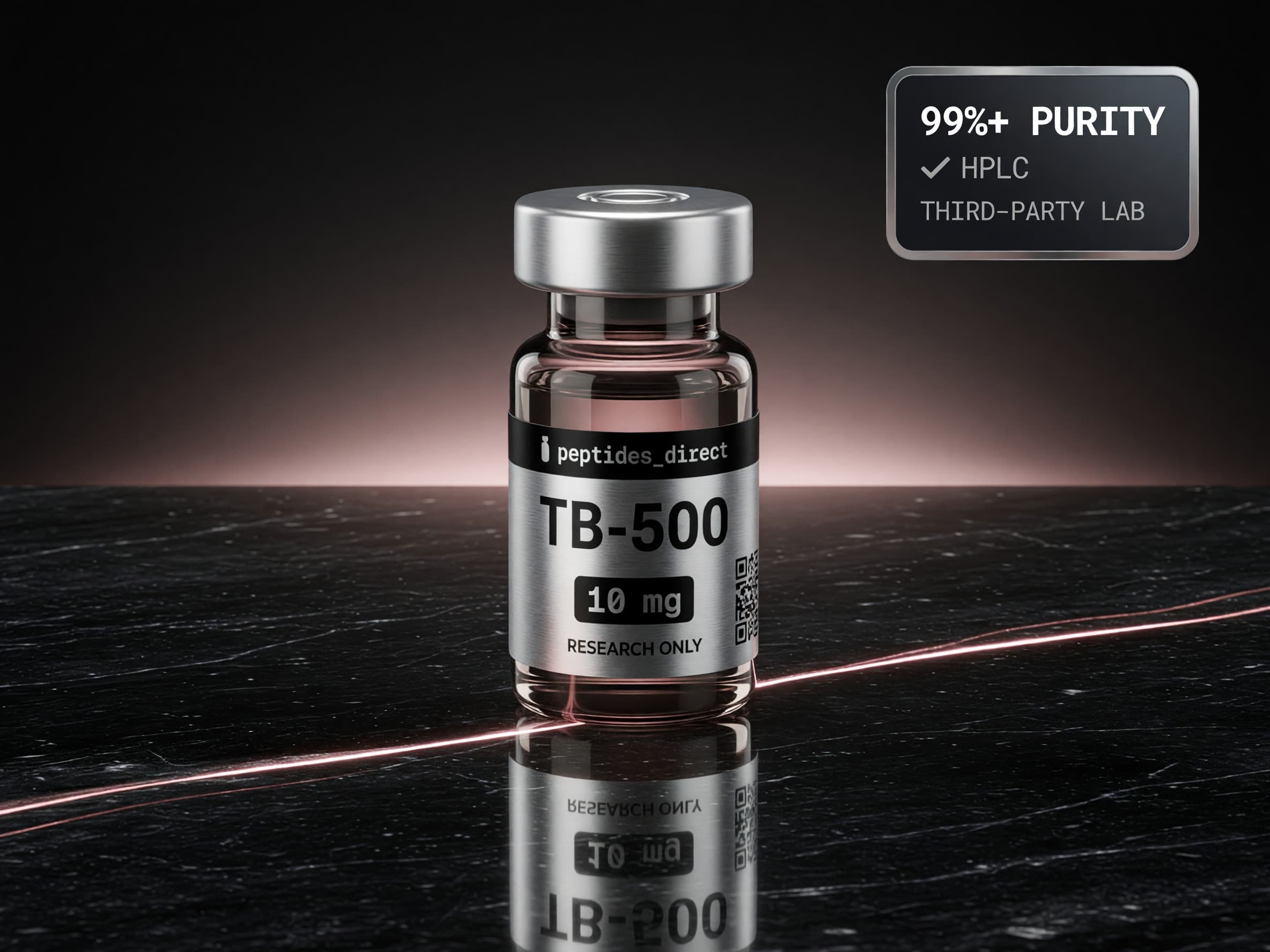
In regenerative-medicine research, BPC-157 is most often paired with TB-500 (full-length thymosin beta-4), another tissue-repair peptide. The combination is sometimes called the Wolverine Stack in research community discussions and is also offered as a pre-mixed product.
Tissue-repair peptide commonly paired with BPC-157
Full-length 43-amino-acid Thymosin Beta-4, a naturally occurring repair protein, independently confirmed by a third-party CoA from Janoshik. Promotes cell migration and new blood vessel formation for systemic tissue healing. Especially researched for muscle, tendon, and cardiac repair.
Pre-mixed combination used in repair-focused studies
The Wolverine Stack: BPC-157 + TB-500 in equal parts in one vial (50/50: 10mg = 5mg each, 20mg = 10mg each). The most researched healing peptide duo for tissue repair, tendon recovery, and systemic regeneration. Batch-specific Janoshik COA.
Documentation
Material specification
Purity
Test method
Form
Storage (sealed)
Storage (reconstituted)
CoA
Selected research
- PMID 41898733
From Regeneration to Analgesia: The Role of BPC-157 in Tissue Repair and Pain Management
Int J Mol Sci, 2026, comprehensive review of preclinical repair and analgesia mechanisms - PMID 41754849
Tendon, Ligament, and Muscle Injury Therapy Perspectives with Stable Gastric Pentadecapeptide BPC 157
Pharmaceuticals, 2026, review on tendon, ligament, and muscle-to-bone junction healing - PMID 41471311
Corneal Ulcer Healing, Avascular Tendon Healing, and Pentadecapeptide BPC 157 Efficacy
Pharmaceuticals, 2025, cytoprotection framework across avascular and corneal tissue - PMID 40789979
Regeneration or Risk? A Narrative Review of BPC-157 for Musculoskeletal Healing
Curr Rev Musculoskelet Med, 2025, mechanism overview and clinical-evidence gap analysis - PMID 40756949
Emerging Use of BPC-157 in Orthopaedic Sports Medicine: A Systematic Review
HSS J, 2025, systematic review of 36 studies on growth-factor and anti-inflammatory effects - PMID 40131143
Safety of Intravenous Infusion of BPC157 in Humans: A Pilot Study
Altern Ther Health Med, 2025, first published human IV-infusion safety pilot - PMID 39861766
BPC 157 as Therapy After Surgical Detachment of the Quadriceps Muscle for Muscle-to-Bone Reattachment in Rats
Pharmaceutics, 2025, in-vivo functional and structural recovery model
Research use only
This material is sold strictly for in-vitro research and laboratory use. Not intended for human or animal consumption, medical, cosmetic, or household applications. Suitable only for professional laboratory environments.
Storage and stability
- Dry, lyophilized vials keep for months refrigerated, or up to 24 months frozen at -20°C.
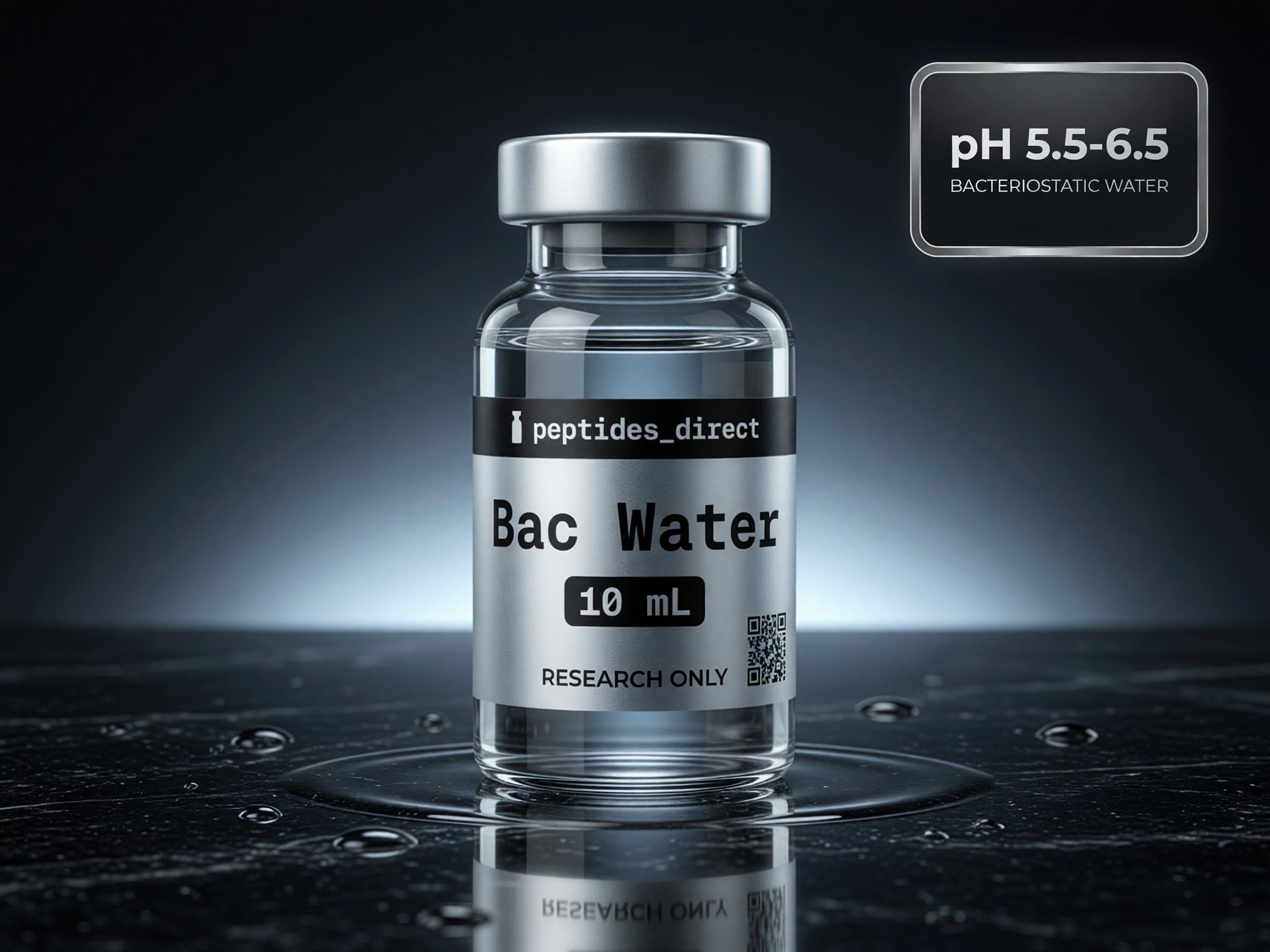
- After reconstitution in bacteriostatic water, use within about 30 days at 2 to 8°C, and avoid repeated freeze-thaw.
Reviews
Dimitris S.A coupon from our review program was granted for this review. 🇬🇷 · August 22, 2026
* Reviewer received a 5% thank-you coupon from our review program, independent of the rating.
Only customers who ordered the product from us can leave a review; we verify this automatically against the order number. Every review submitted is published, regardless of star rating. Rewarded reviews from our coupon program are individually labelled.
Frequently Asked Questions
Technical data sheet
- CAS number
- 137525-51-0
- Molecular formula
- C₆₂H₉₈N₁₆O₂₂
- Molar mass
- 1419.5 g/mol
- Type / receptor
- Gastric pentadecapeptide (BPC-157)
- Form
- White lyophilized powder
- Solubility
- Bacteriostatic water (BAC)
- Storage
- -20°C for up to 24 months; 30 days at 2-8°C after reconstitution
Identity data from public chemical references (PubChem). Per-batch purity: see lab reports below.
Frequently bought together
Complete your subcutaneous research workflow