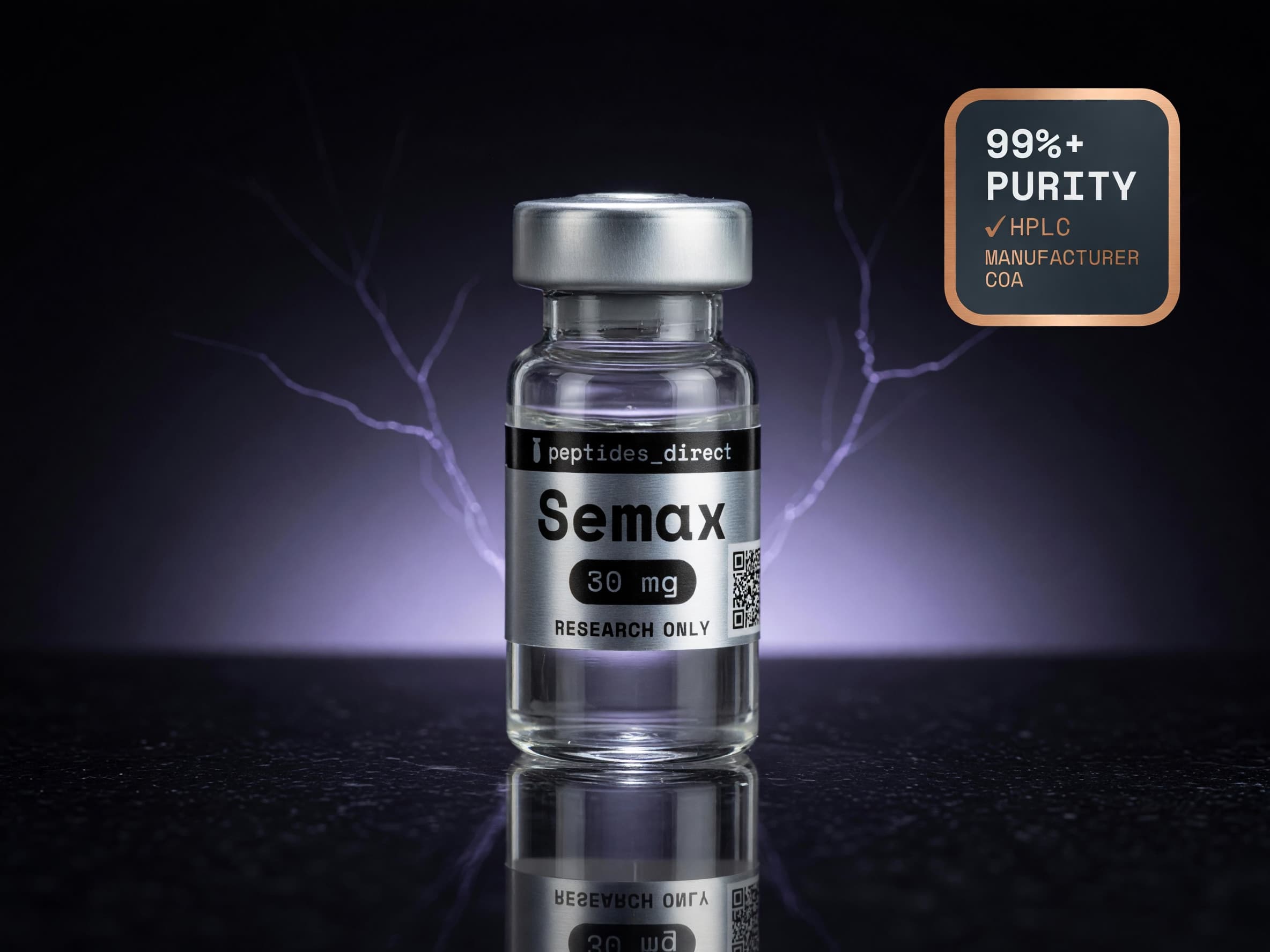
Semax
Brain-boosting nootropic peptide derived from ACTH. Increases BDNF (brain-derived neurotrophic factor), enhances focus, memory, and mental clarity. Widely used in Russian clinical practice for cognitive enhancement.
99.63%Third-party lab: JanoshikView COA€59.99
For Research Use Only
This product is sold strictly for in-vitro research and laboratory use. Not intended for human consumption or any in-vivo application.
Payment Methods
ACTH 4-10 lineage
A short, stable analog of the ACTH 4-7 fragment with a Pro-Gly-Pro extension, so it survives long enough to act on brain pathways.
BDNF upregulation
Raises BDNF (brain-derived neurotrophic factor) and its TrkB receptor in the hippocampus, the system tied to learning and neuron survival in research.
Neuroprotection signal
Switches on neurotrophin and growth-factor genes after simulated cerebral ischemia in animal models, dampening the cascade of cell loss.
Cognitive research
Studied for attention, memory, and learning under load. Activates dopaminergic and serotonergic systems in rodent neurochemistry studies.
Anxiolytic profile
Shifts behavior in stress and anxiety models without sedation, the property that fuels its grouping with Selank in nootropic research.
Stroke trials
Russian clinical work on ischemic stroke recovery is the most extensive human dataset for any nootropic peptide.
Research areas
What is Semax
Semax is a synthetic heptapeptide with the sequence Met-Glu-His-Phe-Pro-Gly-Pro. The first four residues are the ACTH 4-7 fragment, the natural brain-active piece of adrenocorticotropic hormone, and the trailing Pro-Gly-Pro tail makes the molecule stable enough to reach the brain instead of being broken down in seconds.
It was developed at the Russian Academy of Sciences Institute of Molecular Genetics in the 1980s and has been on the Russian List of Vital and Essential Drugs since 2011 as an intranasal preparation for ischemic stroke and cognitive recovery. Outside Russia it remains a research peptide, with a published evidence base spanning four decades.
We supply it as the free heptapeptide in lyophilized (freeze-dried) form: the same molecule used in the published studies.
How it works
Semax separates the cognitive and behavioral effects of ACTH from its hormonal ones. It does not raise cortisol, but it does activate the same brain pathways that natural ACTH fragments touch in learning and stress.
The clearest mechanism in the published record is BDNF: a single dose raises BDNF and the TrkB receptor in the hippocampus, the brain region most tied to memory and adult neurogenesis. After cerebral ischemia in rats, Semax also turns on a wider set of neurotrophin and immune-response genes, which is the molecular footprint behind the stroke-recovery trials. On top of that, neurochemistry studies show increased dopamine and serotonin turnover, the likely substrate for its attention and mood effects in healthy animals.
Often studied alongside
Semax is most often paired with Selank, another Russian-developed regulatory peptide with a complementary anxiolytic profile. The two were developed by the same lab, share the same intranasal route in the source literature, and are frequently combined in cognitive and stress research.
Anxiolytic peptide commonly paired with Semax
Synthetic tuftsin analog with anxiolytic, nootropic, and immunomodulatory properties. Developed at the Russian Academy of Sciences.
For studies that want both effects in a single preparation, a fixed-ratio Semax-Selank blend is a common research format.
Combined Semax and Selank blend
Pre-mixed combination of the two leading nootropic peptides in one vial. Semax boosts focus and BDNF, Selank reduces anxiety and enhances calm. Together they provide balanced cognitive enhancement for research.
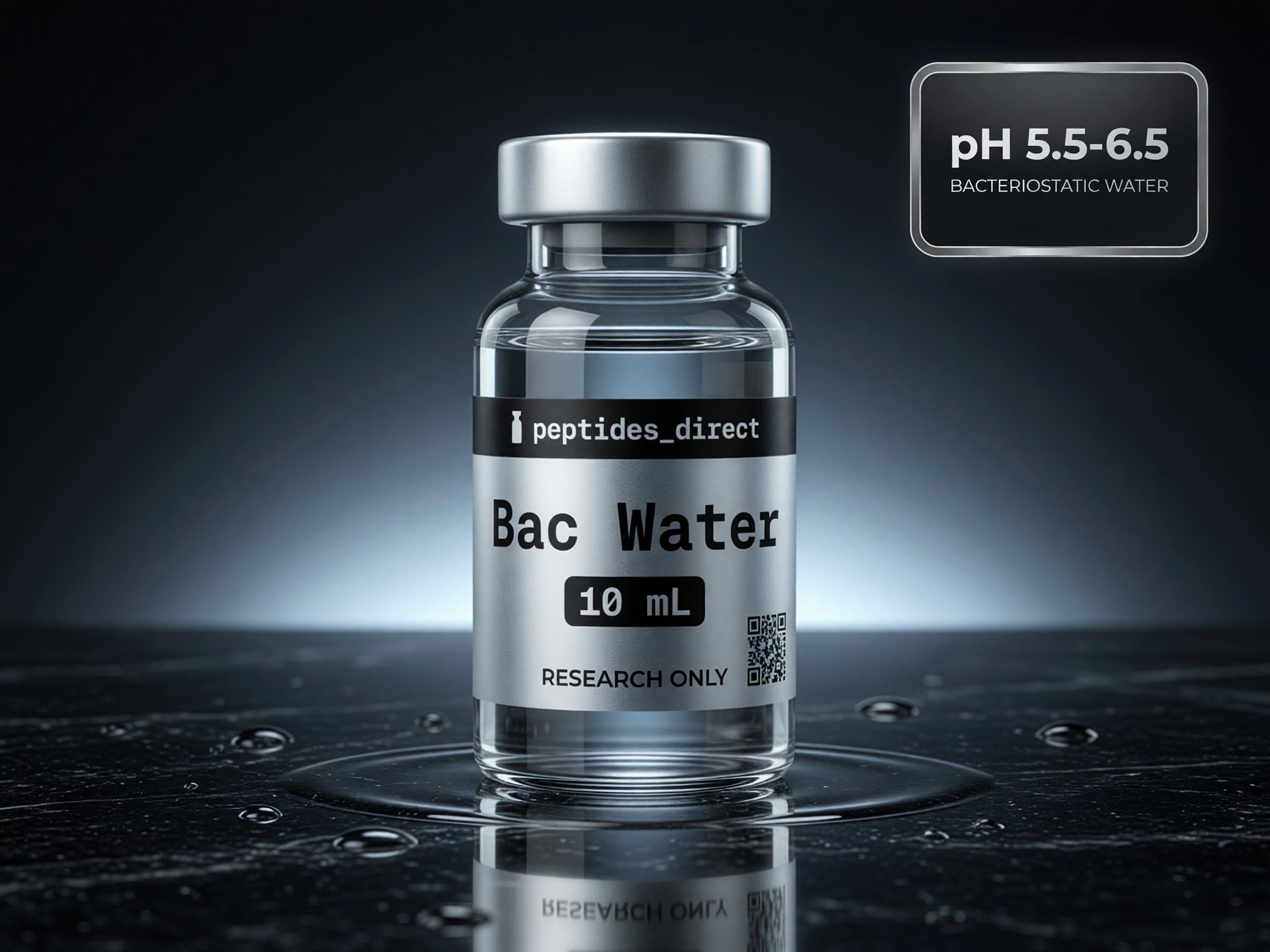
For reconstitution, the standard solvent in published protocols is bacteriostatic or sterile water.
Standard solvent for reconstitution
USP-grade sterile water with 0.9% benzyl alcohol (near-neutral, pH 6.2 to 6.4) - the standard solvent for reconstituting lyophilized peptides. Essential accessory for any peptide research. Each vial is sealed and ready to use.
Documentation
Material specification
Purity
Test method
Form
Storage (sealed)
Storage (reconstituted)
CoA
Selected research
- PMID 14556513
Dolotov OV et al. The heptapeptide SEMAX stimulates BDNF expression in different areas of the rat brain in vivo
Dokl Biol Sci, 2003, original BDNF upregulation finding - PMID 16996037
Semax, an analog of ACTH(4-10) with cognitive effects, regulates BDNF and trkB expression in the rat hippocampus
Brain Res, 2006, hippocampal BDNF/TrkB receptor mechanism - PMID 16362768
Semax, an ACTH(4-10) analogue with nootropic properties, activates dopaminergic and serotoninergic brain systems in rodents
Neurochem Res, 2005, monoamine system activation - PMID 19633950
Semax and Pro-Gly-Pro activate the transcription of neurotrophins and their receptor genes after cerebral ischemia
Cell Mol Neurobiol, 2010, neurotrophin gene transcription in ischemia - PMID 28255762
Semax, an analog of ACTH(4-7), regulates expression of immune response genes during ischemic brain injury in rats
Mol Genet Genomics, 2017, immune-response gene profile after stroke - PMID 29798983
The efficacy of semax in the treatment of patients at different stages of ischemic stroke
Zh Nevrol Psikhiatr, 2018, clinical trial in ischemic stroke patients - PMID 30225715
Effects of Semax on the Default Mode Network of the Brain
Bull Exp Biol Med, 2018, fMRI study on resting-state brain networks
Research use only
This material is sold strictly for in-vitro research and laboratory use. Not intended for human or animal consumption, medical, cosmetic, or household applications. Suitable only for professional laboratory environments.
Storage and stability
- Dry, lyophilized vials keep for months refrigerated, or up to 24 months frozen at -20°C.
- After reconstitution in bacteriostatic water, use within about 30 days at 2 to 8°C, and avoid repeated freeze-thaw.
Reviews
No reviews yet. Write the first one!
Only customers who ordered the product from us can leave a review; we verify this automatically against the order number. Every review submitted is published, regardless of star rating. Rewarded reviews from our coupon program are individually labelled.
Frequently Asked Questions
Technical data sheet
- CAS number
- 80714-61-0
- Molecular formula
- C₃₇H₅₁N₉O₁₀S
- Molar mass
- 813.92 g/mol
- Type / receptor
- ACTH(4-7) heptapeptide analog
- Form
- White lyophilized powder
- Solubility
- Bacteriostatic water (BAC)
- Storage
- -20°C for up to 24 months; 30 days at 2-8°C after reconstitution
Identity data from public chemical references (PubChem). Per-batch purity: see lab reports below.
Frequently bought together
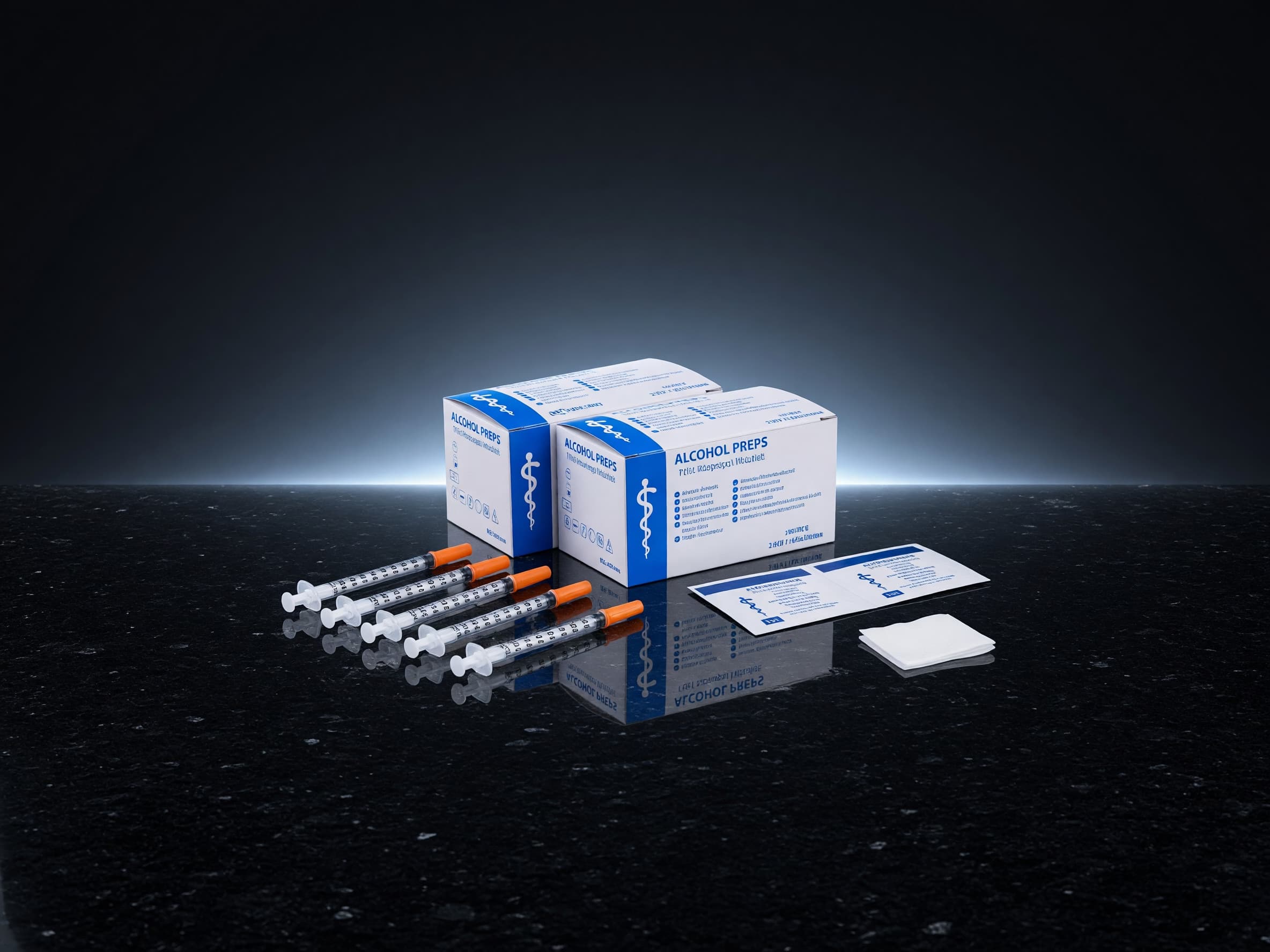
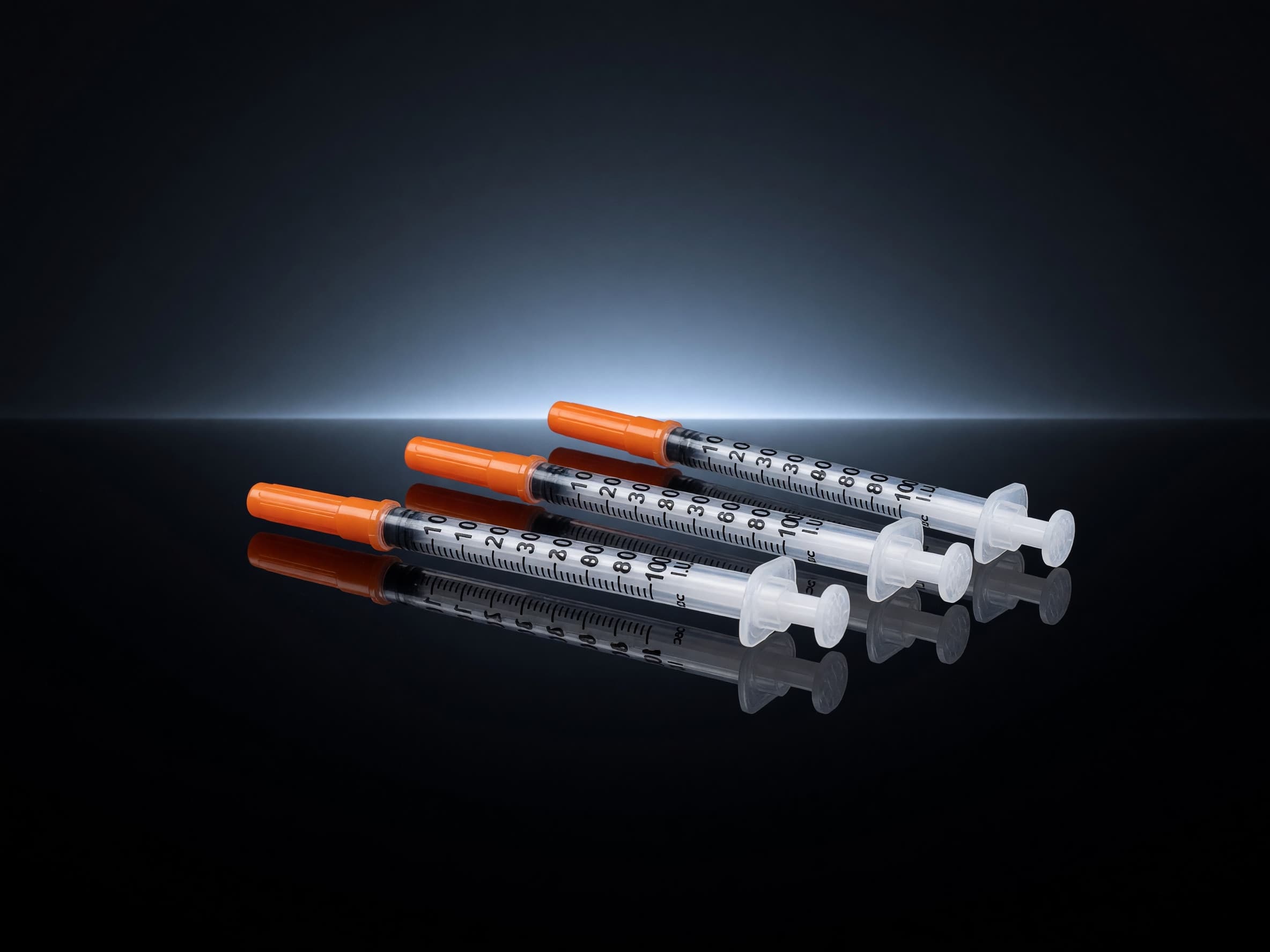
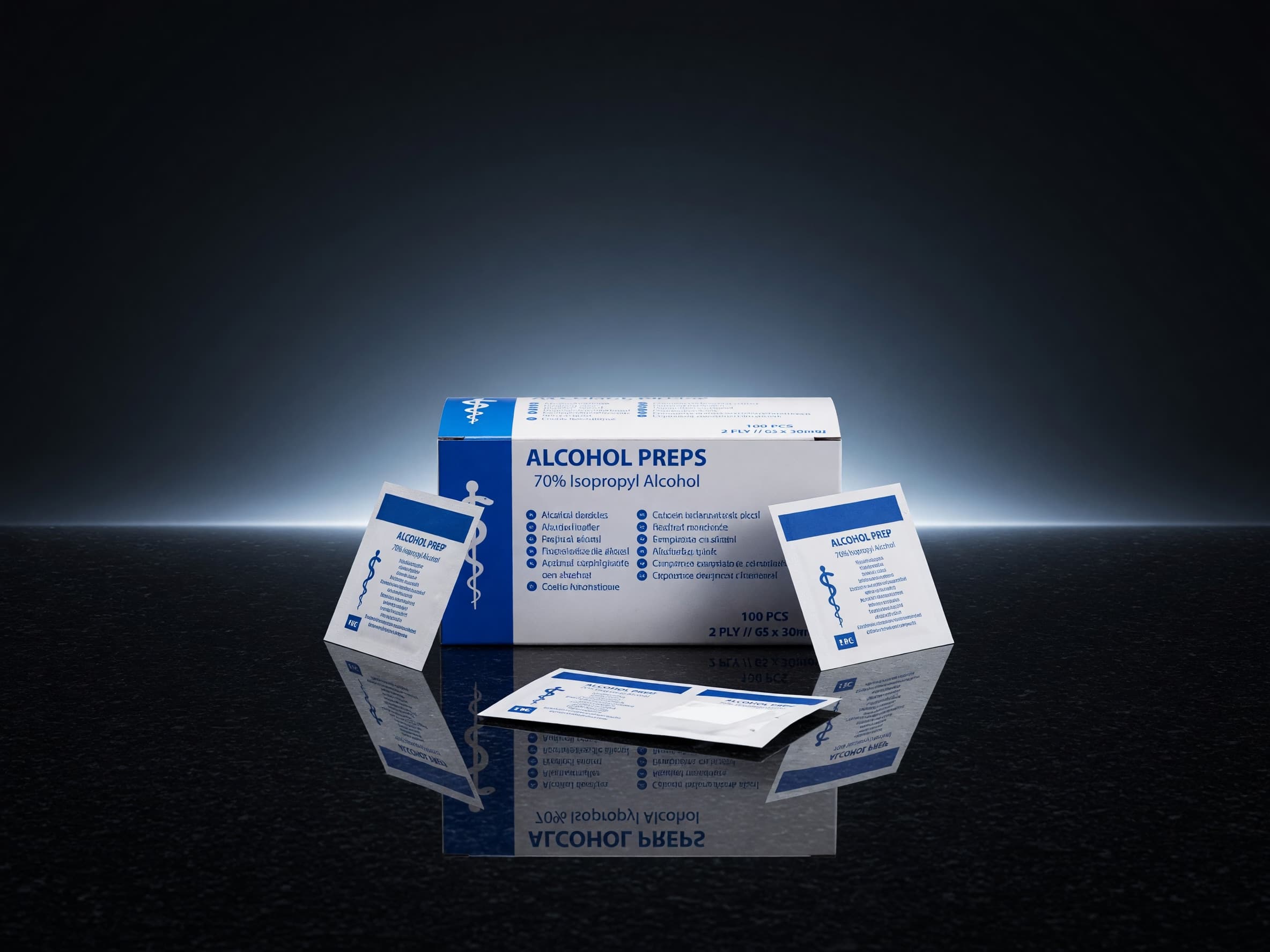
Complete your subcutaneous research workflow