NAD+
Essential cellular coenzyme that declines with age. Powers energy metabolism in every cell, activates sirtuins (longevity genes), and supports DNA repair. A cornerstone molecule in aging and longevity research.
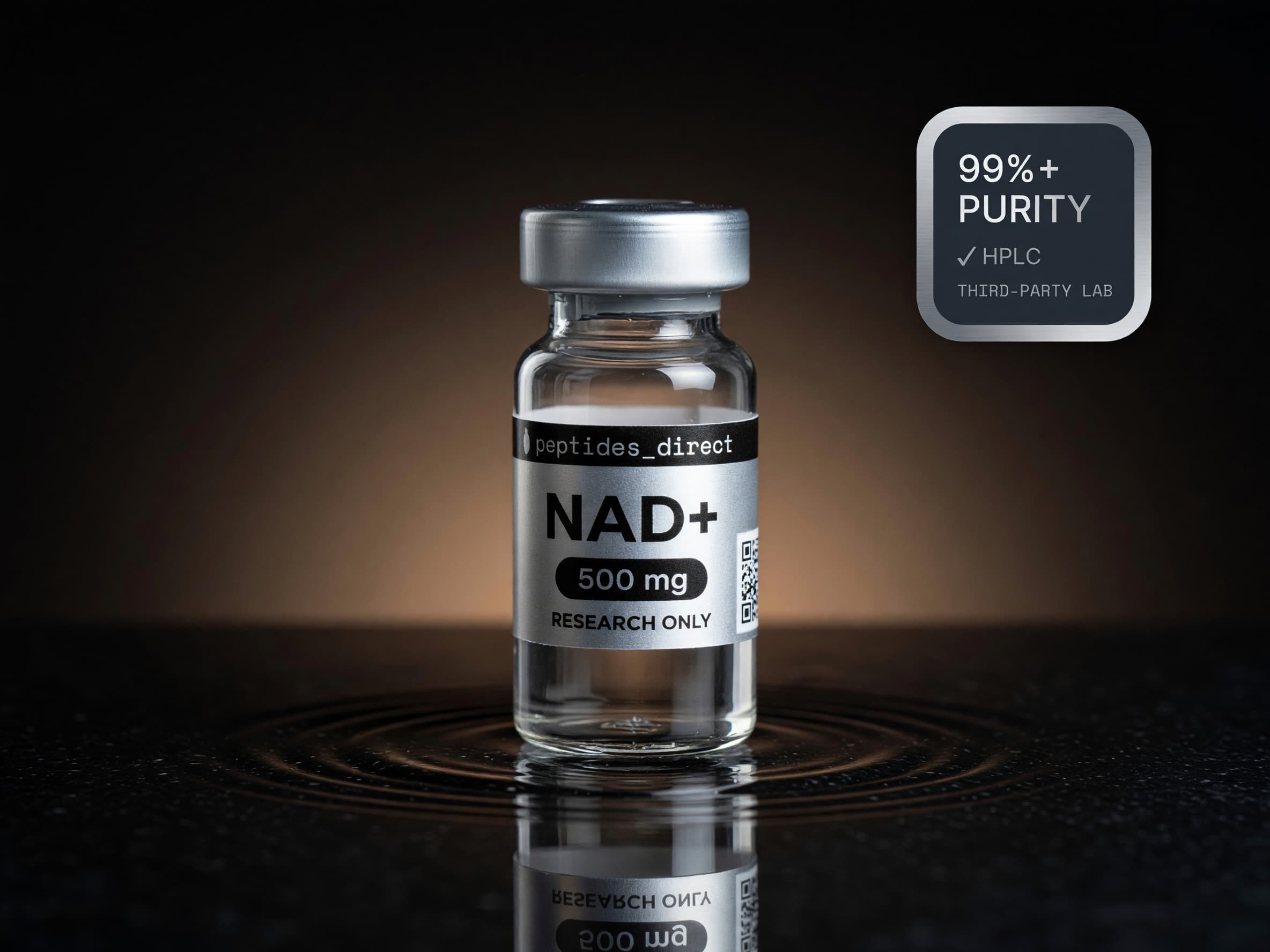
99.80%Third-party lab: Freedom DiagnosticsView COA€77.99
€93.99
−17%(€16.00)savedFor Research Use Only
This product is sold strictly for in-vitro research and laboratory use. Not intended for human consumption or any in-vivo application.
Payment Methods
Cellular fuel coenzyme
NAD+ shuttles electrons inside every cell, the basic step that turns food into ATP, the universal cellular energy currency.
Sirtuin activator
Sirtuins, a family of "longevity enzymes," only switch on when NAD+ is plentiful. They regulate gene silencing, stress resistance, and metabolic balance.
Mitochondrial support
Healthy NAD+ pools keep mitochondria running. In aging cell models, NAD+ restoration improves mitochondrial output and reduces oxidative damage.
DNA-repair cofactor
PARP enzymes consume NAD+ to patch damaged DNA. Adequate NAD+ is what allows ongoing genome maintenance in laboratory studies.
Declines with age
Tissue NAD+ levels drop steadily across decades. This decline is one of the central observations driving longevity research today.
Studied via precursors
Most clinical research uses NMN or NR, two precursors that the body converts into NAD+. Direct NAD+ research material is used in cell and biochemistry assays.
Research areas
What is NAD+
NAD+ (nicotinamide adenine dinucleotide) is a coenzyme found in every living cell. Unlike the peptides on this site, NAD+ is a small dinucleotide molecule, not a chain of amino acids. It is one of the most abundant and important molecules in biology, sitting at the center of how cells produce energy and respond to stress.
Cellular NAD+ levels decline steadily with age across many tissues. That observation is what links NAD+ to longevity research and to the wider hallmarks-of-aging framework.
We supply NAD+ as the disodium salt in lyophilized (freeze-dried) form for laboratory use, the same grade used in cell-culture and biochemistry research.
How it works
NAD+ acts as a hydride carrier. In every metabolic cycle that turns nutrients into ATP, it ferries electrons from one reaction to the next. Without NAD+, mitochondria cannot run, and cells cannot generate sustained energy.
Beyond energy metabolism, NAD+ is consumed by three families of enzymes that researchers care about:
- Sirtuins (SIRT1 to SIRT7) are NAD+-dependent deacetylases. They switch on stress-resistance genes, regulate mitochondrial biogenesis, and are commonly described as "longevity enzymes."
- PARPs use NAD+ to repair damaged DNA. Higher DNA damage burns through more NAD+.
- CD38 is an NAD+-consuming enzyme that becomes more active with age and inflammation, a major driver of NAD+ decline.
When NAD+ supply outpaces demand, sirtuins stay active, DNA repair runs smoothly, and mitochondria perform well in laboratory models. When NAD+ falls, the opposite is observed.
Most human research has tested the precursors NMN (nicotinamide mononucleotide) and NR (nicotinamide riboside), which are converted into NAD+ inside cells. Recent meta-analyses of randomized trials in middle-aged and older adults report improvements in muscle and metabolic markers with these precursors. Direct NAD+ is the molecule itself and is used primarily in biochemical and cell-based research where the cofactor is required.
Often studied alongside
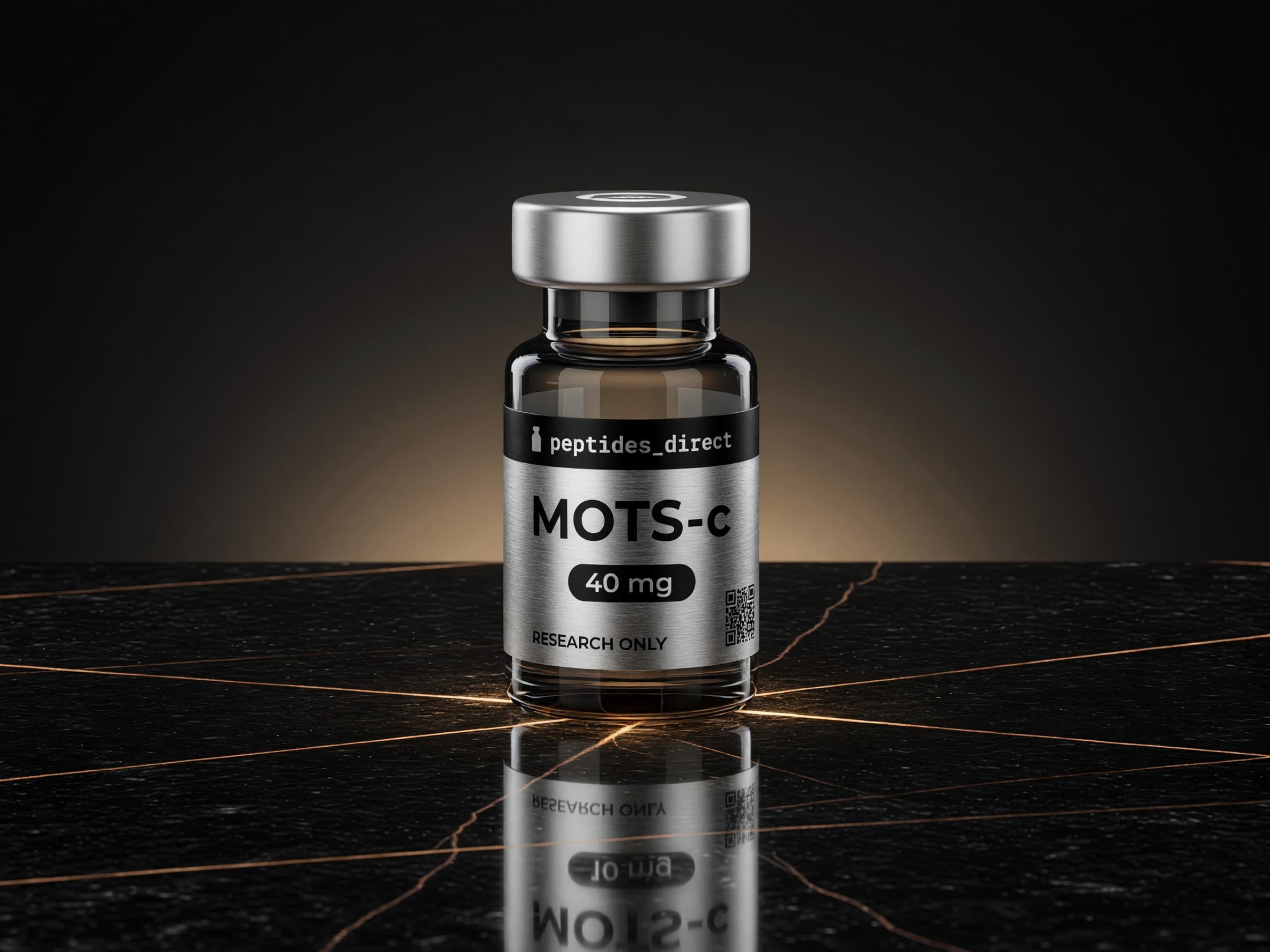
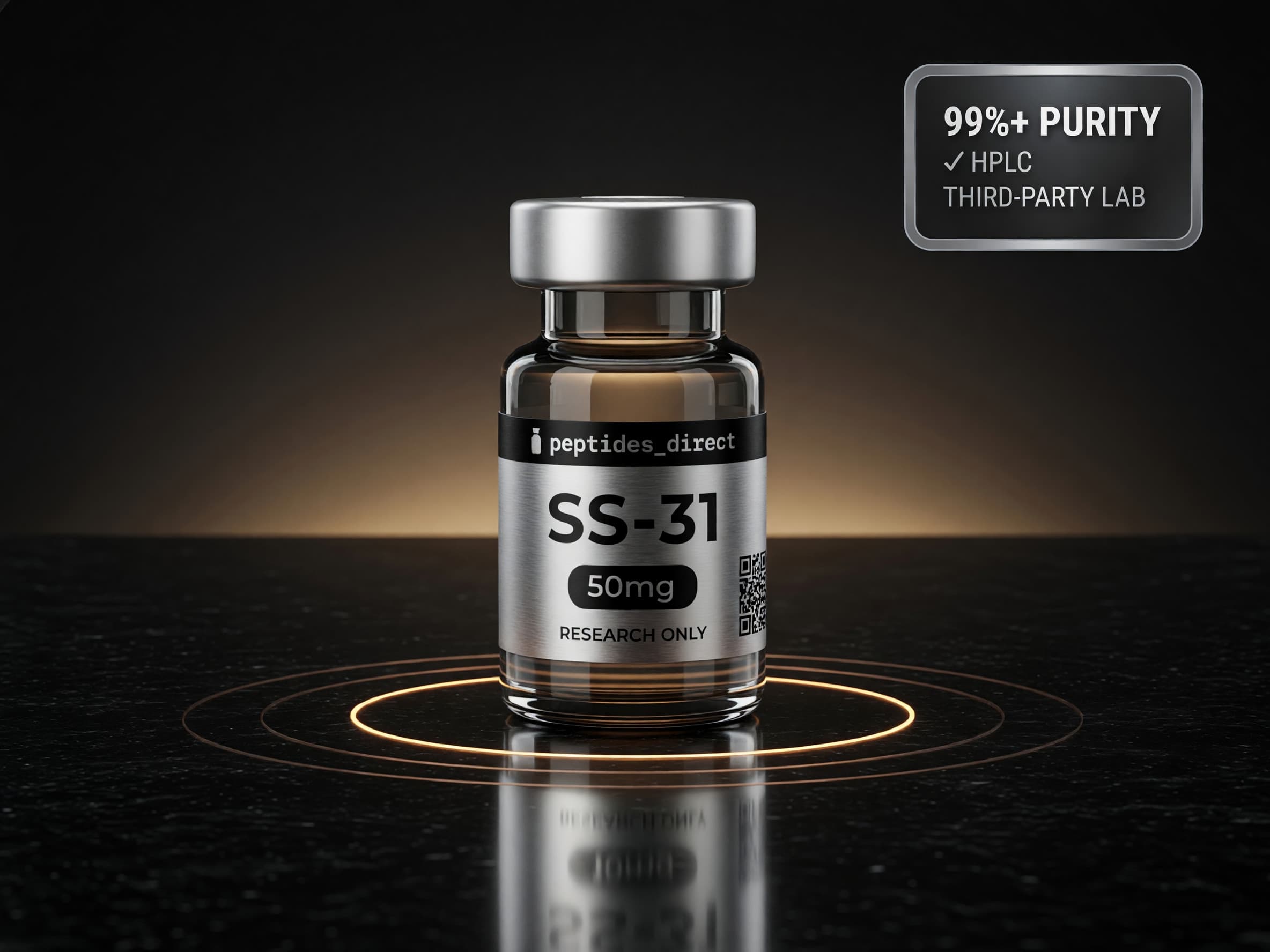
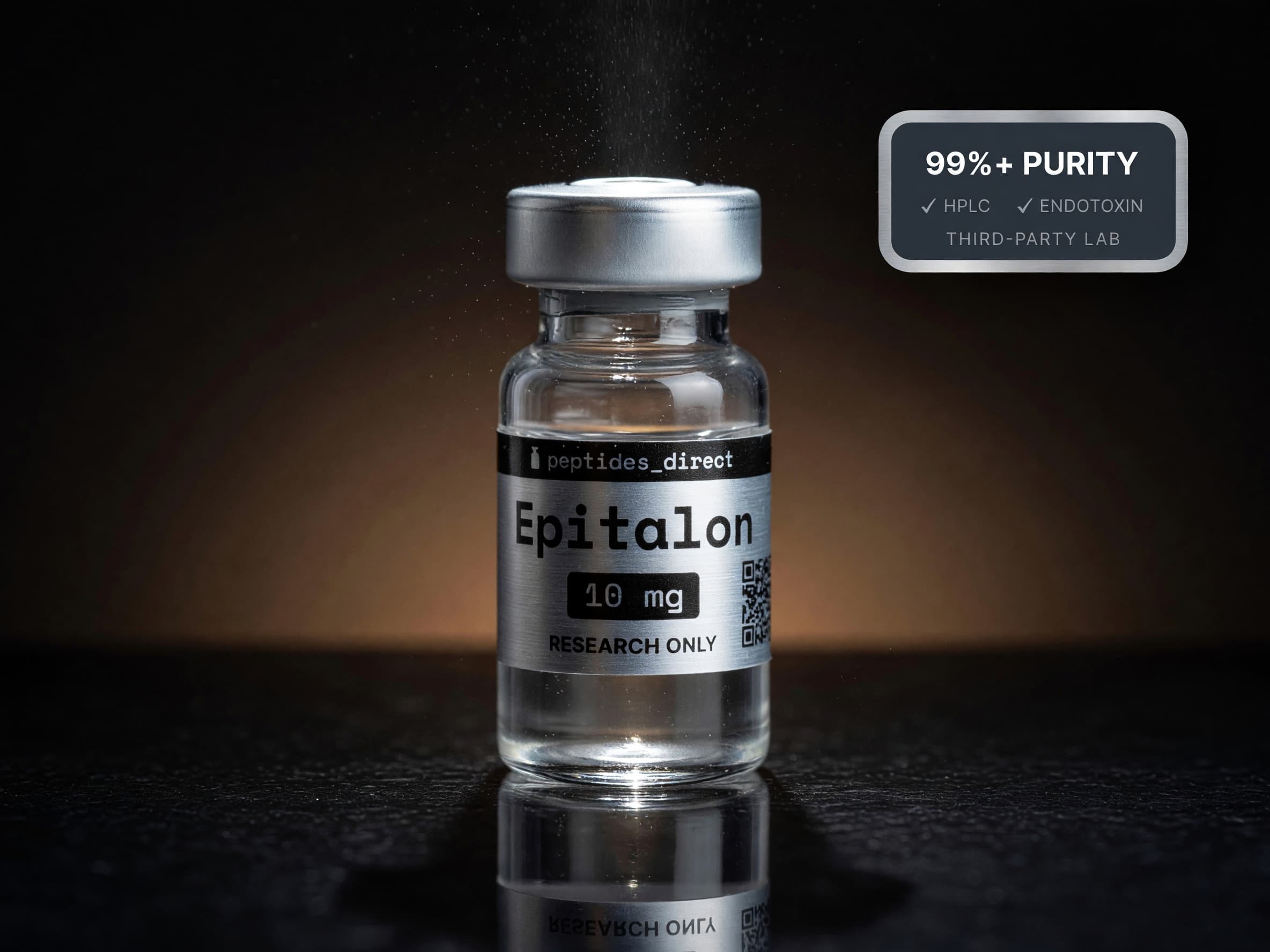
In longevity research, NAD+ is frequently grouped with mitochondrial peptides and other "longevity stack" candidates. MOTS-c is a mitochondrial-derived peptide that regulates metabolism and exercise capacity in animal models. SS-31 (Elamipretide) targets the inner mitochondrial membrane and protects cardiolipin in oxidative-stress studies. Epitalon is a short pineal-derived peptide associated with telomerase activation in cell models.
Mitochondrial-derived peptide for metabolic and exercise research
Mitochondrial-derived signaling peptide (16 amino acids) that mimics the effects of exercise at the cellular level. Activates AMPK, improves glucose uptake, and enhances fat metabolism - a key tool in metabolic and longevity research.
Mitochondrial cardiolipin-targeting peptide
Mitochondria-targeted tetrapeptide (Elamipretide) that stabilizes cardiolipin and prevents ROS formation at the source.
Pineal peptide studied in telomere and longevity research
Tetrapeptide (Ala-Glu-Asp-Gly) that activates telomerase, the enzyme responsible for maintaining telomere length. One of the most studied peptides in longevity research, developed by Prof. Khavinson at the St. Petersburg Institute of Bioregulation.
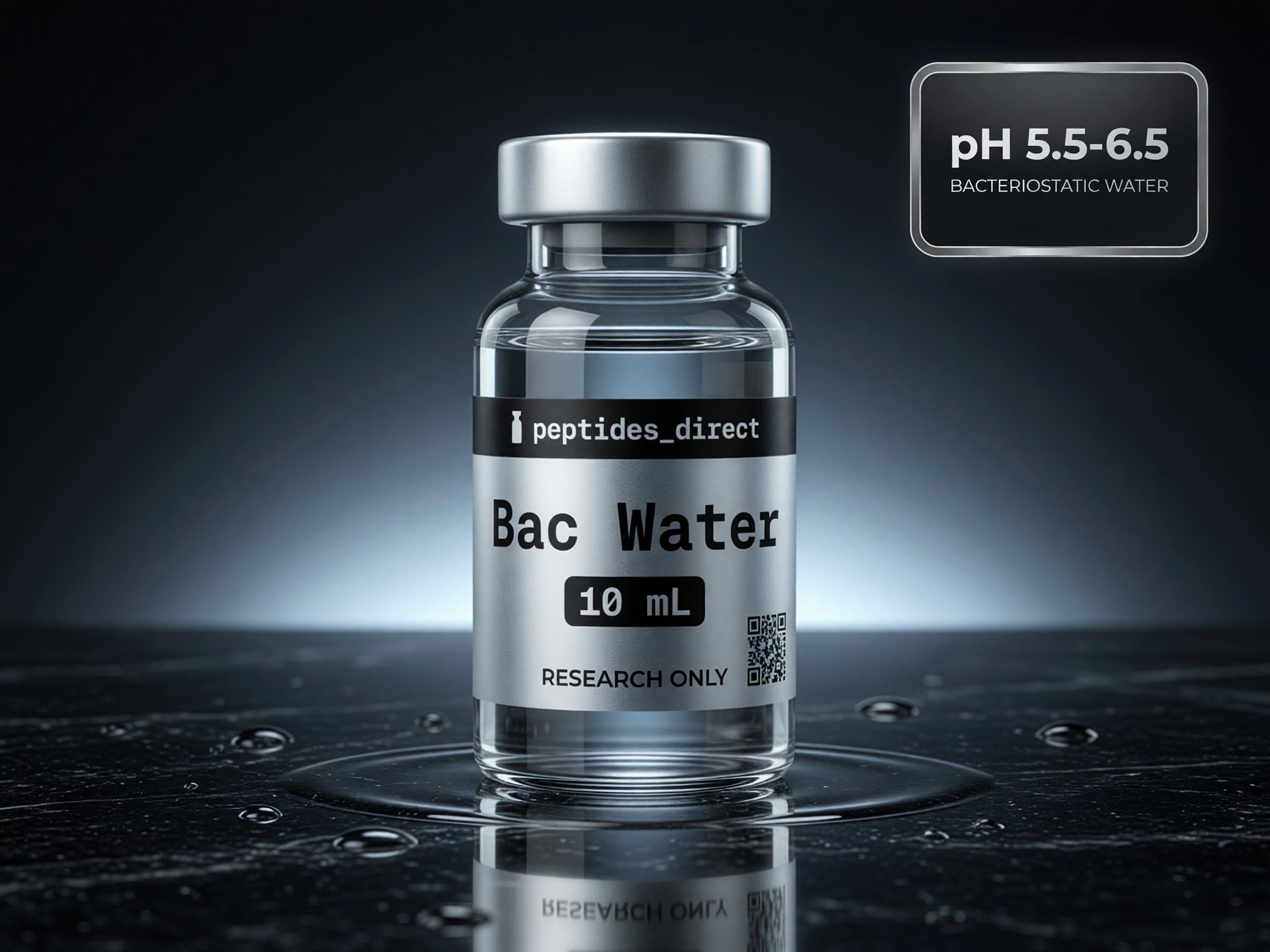
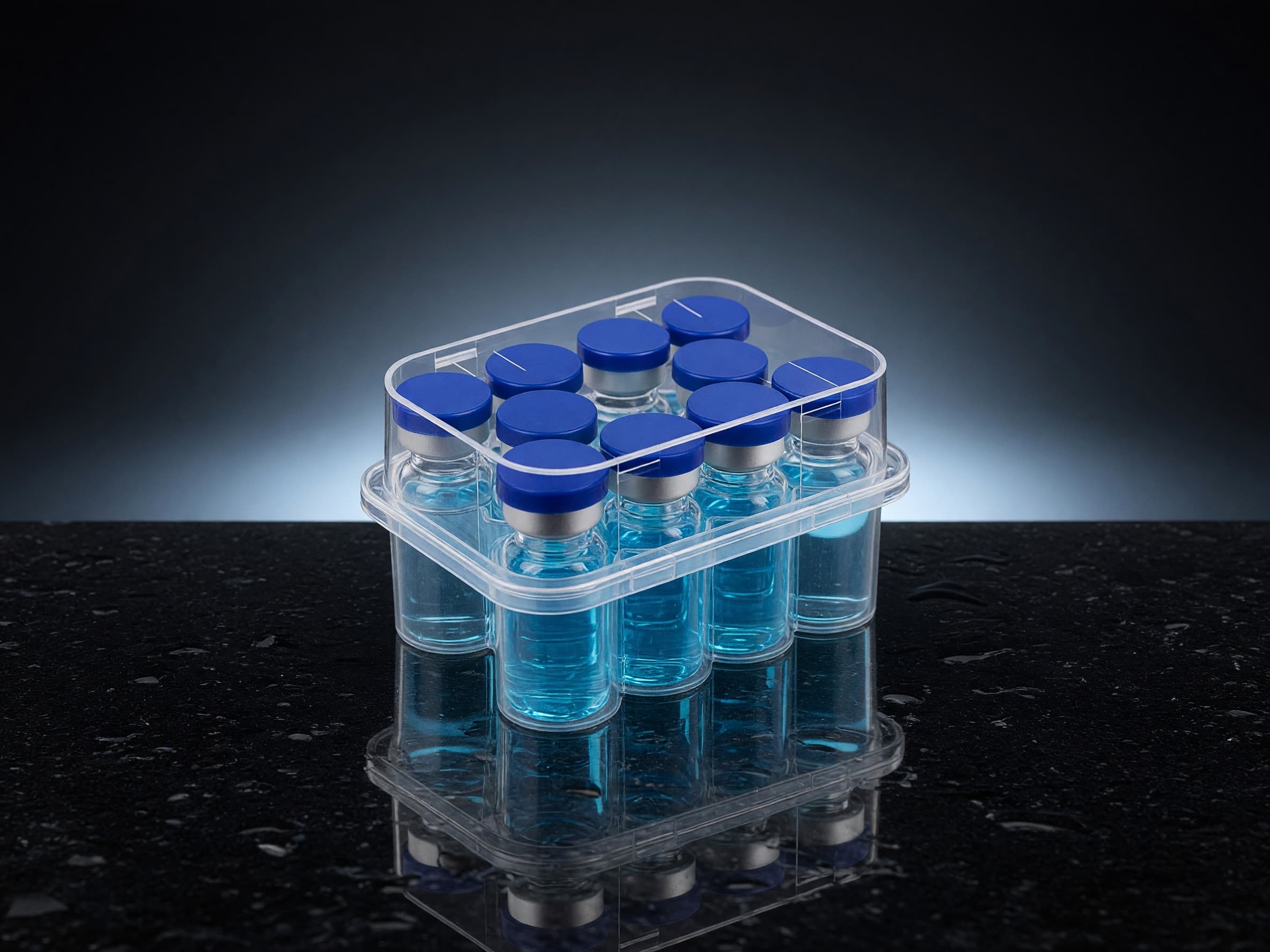
For reconstitution, the standard solvent in published protocols is bacteriostatic or sterile water. The dissolved solution is colorless to faintly yellow depending on concentration, in line with reference-supplier specifications.
Standard solvent for reconstitution
USP-grade sterile water with 0.9% benzyl alcohol (near-neutral, pH 6.2 to 6.4) - the standard solvent for reconstituting lyophilized peptides. Essential accessory for any peptide research. Each vial is sealed and ready to use.
Documentation
Material specification
Purity
Test method
Form
Storage (sealed)
Storage (reconstituted)
CoA
Selected research
- PMID 41812700
Pei Z, Liang F, Wang X, Li H. NAD+ as a central metabolic hub regulating the hallmarks of aging
Mech Ageing Dev, 2026, mechanism review of NAD+ in aging biology - PMID 41944220
Yu J et al. Double-Pronged NAD Preservation: Delaying Cellular Senescence and Initiating Musculoskeletal Regeneration
Aging Cell, 2026, NAD+ preservation in cellular senescence and tissue regeneration - PMID 41540253
Christen S et al. The differential impact of three different NAD+ boosters on circulatory NAD and microbial metabolism in humans
Nat Metab, 2026, randomized trial comparing NAD+ precursors in humans - PMID 40275690
Prokopidis K et al. The Effect of Nicotinamide Mononucleotide and Riboside on Skeletal Muscle Mass and Function
J Cachexia Sarcopenia Muscle, 2025, systematic review and meta-analysis of NMN and NR trials - PMID 39185644
Wang JP et al. Effects of Nicotinamide Mononucleotide Supplementation on Muscle and Liver Functions in the Middle-aged and Elderly
Curr Pharm Biotechnol, 2025, meta-analysis of randomized NMN trials - PMID 36443648
Akasaka H et al. Effects of nicotinamide mononucleotide on older patients with diabetes and impaired physical performance
Geriatr Gerontol Int, 2023, double-blind placebo-controlled NMN trial in older adults - PMID 41977220
Chang Y, Li L, Yue H. SIRT1 in Atherosclerosis: Integrative Control of Vascular Metabolism, Inflammation and Aging
Int J Mol Sci, 2026, NAD+/sirtuin pathway review in vascular aging
Research use only
This material is sold strictly for in-vitro research and laboratory use. Not intended for human or animal consumption, medical, cosmetic, or household applications. Suitable only for professional laboratory environments.
Reconstitution: sensitive peptide
Some peptides react sensitively to the pH and quality of the reconstitution water and can turn cloudy or not fully dissolve if reconstituted incorrectly (for example with tap water, non-sterile water, old or contaminated bacteriostatic water, or the wrong water-to-peptide ratio). This is a common reconstitution matter, not an automatic sign of a faulty vial. Always reconstitute with fresh, pharmaceutical-grade diluent as prescribed by the product-specific protocol on this page (bacteriostatic or sterile water, or dilute acetic-acid water first where the page says so), add it slowly down the inner wall of the vial, and swirl gently instead of shaking. If it still looks cloudy right after mixing, let it rest for 10 to 15 minutes and swirl again before judging clarity. Correct technique and suitable water are the customer's responsibility, and so is following the product-specific instructions on this page. Where a peptide needs an acid-first protocol (it says so above, for example for AOD-9604 and Tesamorelin), reconstituting it in plain bacteriostatic water instead is a handling error, not a defect, and is not covered. If a vial stays cloudy after these steps, contact us with clear photos. We replace it free of charge once if you reconstituted with water from our own range or with factory-sealed water from a pharmaceutical manufacturer and followed the instructions on this page; with water of unknown origin the cause cannot be narrowed down and the case is not covered.
Best reconstituted in near-neutral bacteriostatic water (around pH 5.7, the USP water value). We recommend checking your water's pH with a cheap meter first: each peptide has its own ideal range, and matching the water is your responsibility.
Reconstitution itself, including the choice of diluent, volumes and technique, is part of the research work and lies with the customer; how a mix behaves once liquid meets powder is outside our control. Your statutory rights regarding genuine product defects remain unaffected.
Why peptides turn cloudy: the reconstitution guideStorage and stability
- Dry, lyophilized vials keep for months refrigerated, or up to 24 months frozen at -20°C.
- After reconstitution in bacteriostatic water, use within about 30 days at 2 to 8°C, and avoid repeated freeze-thaw.
Reviews
No reviews yet. Write the first one!
Only customers who ordered the product from us can leave a review; we verify this automatically against the order number. Every review submitted is published, regardless of star rating. Rewarded reviews from our coupon program are individually labelled.
Frequently Asked Questions
Technical data sheet
- CAS number
- 53-84-9
- Molecular formula
- C₂₁H₂₇N₇O₁₄P₂
- Molar mass
- 663.43 g/mol
- Type / receptor
- Redox cofactor (oxidized dinucleotide)
- Form
- White to off-white powder
- Solubility
- Bacteriostatic water (BAC)
- Storage
- -20°C for up to 24 months; 30 days at 2-8°C after reconstitution
Identity data from public chemical references (PubChem). Per-batch purity: see lab reports below.
Frequently bought together
Complete your subcutaneous research workflow