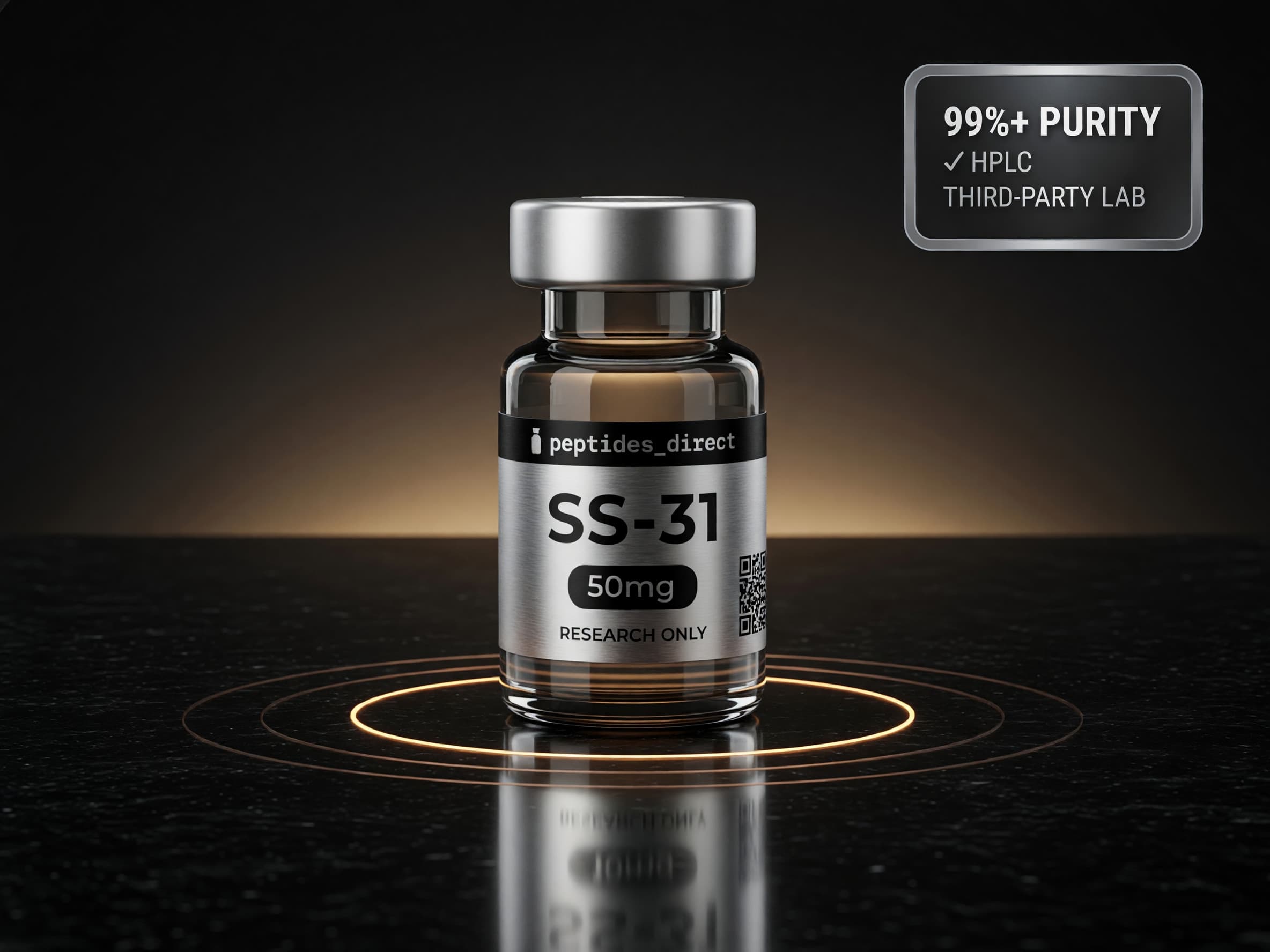
SS-31
Mitochondria-targeted tetrapeptide (Elamipretide) that stabilizes cardiolipin and prevents ROS formation at the source.
99.87%Third-party lab: Kovera LabsView COA5.01 review€159.99
€186.99
−14%(€27.00)savedFor Research Use Only
This product is sold strictly for in-vitro research and laboratory use. Not intended for human consumption or any in-vivo application.
Payment Methods
Cardiolipin binder
SS-31 selectively binds cardiolipin, a unique lipid found only on the inner mitochondrial membrane. This is where energy is made.
Mitochondrial structure
Helps stabilize the folded inner-membrane shape (cristae) that mitochondria need to package the respiratory chain efficiently.
ATP production
In aged or stressed cells, SS-31 restores oxygen use and ATP output, the cellular energy currency, in laboratory studies.
Reduces ROS
Lowers reactive oxygen species at the source by improving how electrons move through the respiratory chain instead of leaking.
Studied in age-related decline
Investigated in heart, kidney, muscle, and eye tissue, where mitochondrial decline is part of the picture.
Same molecule as FORZINITY
SS-31 is also called elamipretide, the same molecule recently approved as FORZINITY for Barth syndrome, a rare cardiolipin disorder.
Research areas
What is SS-31
SS-31, also known as elamipretide, is a small synthetic peptide made of four amino acids (D-Arg-dimethylTyr-Lys-Phe-NH2). It was designed in academic research to do one thing: cross cell membranes and concentrate inside mitochondria, the energy factories of the cell.
The same molecule is the active ingredient in FORZINITY, recently approved as the first treatment for Barth syndrome, a rare genetic disease in which cardiolipin in the mitochondria is defective. That regulatory milestone is one of the reasons SS-31 has become the most studied mitochondria-targeted peptide of the last decade.
We supply it in lyophilized (freeze-dried) form for laboratory research only.
How it works
Mitochondria contain a special lipid called cardiolipin, found nowhere else in the cell. Cardiolipin shapes the folded inner membrane (the cristae) and holds the proteins of the respiratory chain in place. When mitochondria are stressed or aged, cardiolipin is damaged and the respiratory chain leaks electrons, producing reactive oxygen species and less ATP.
SS-31 selectively binds cardiolipin and protects it. In published research this stabilizes cristae structure, restores efficient electron flow, increases ATP output, and reduces ROS production at the source. Because almost every tissue with high energy demand depends on this same mechanism, SS-31 has been studied in heart failure models, aged muscle, diabetic kidney disease, optic-nerve research, and dry age-related macular degeneration.
The clearest clinical evidence so far is in Barth syndrome, where elamipretide improved exercise capacity and cardiac function in long-term open-label research. The longevity research community is interested in SS-31 because cardiolipin damage and falling ATP output are hallmarks of mitochondrial aging.
Often studied alongside
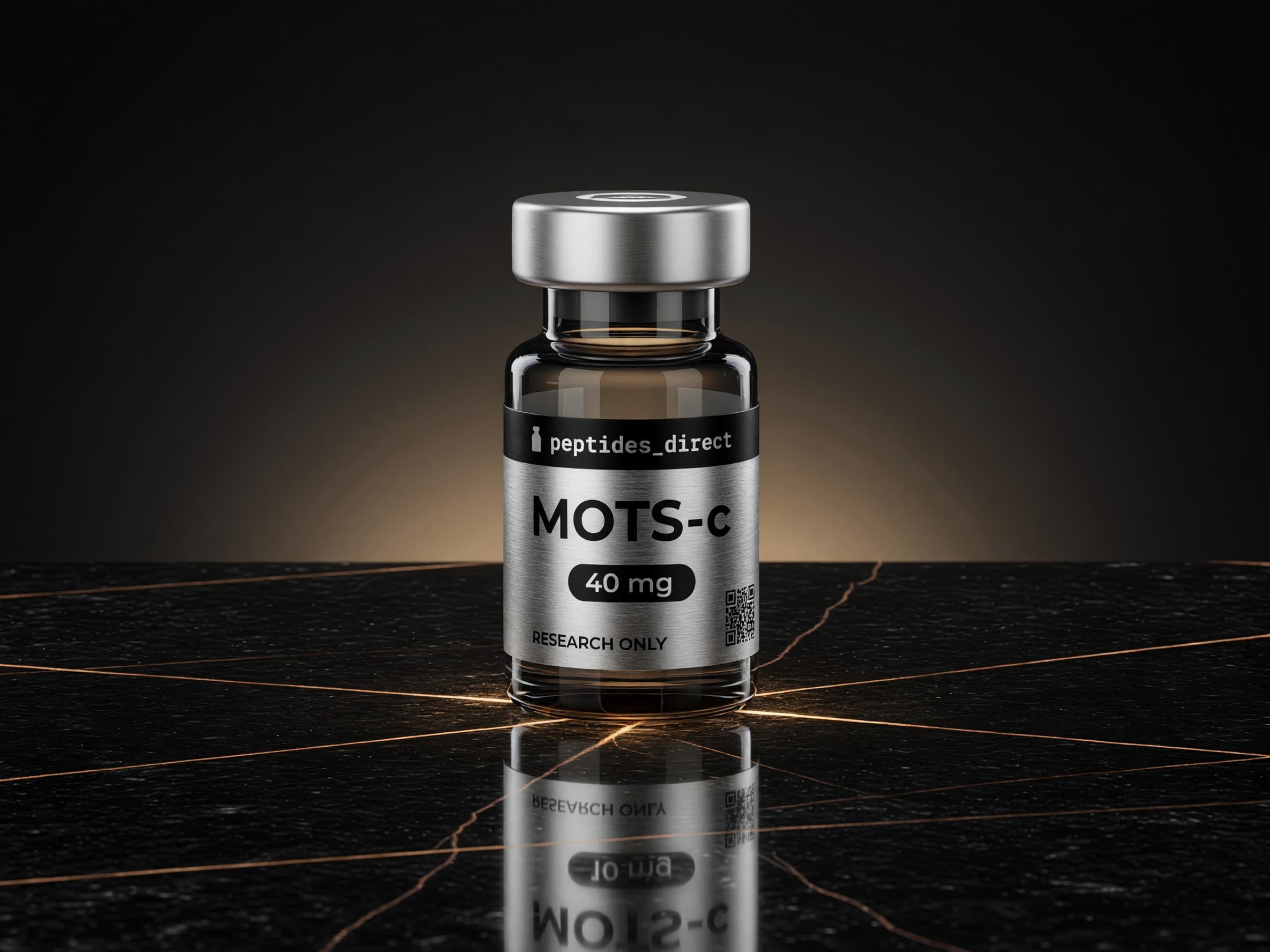
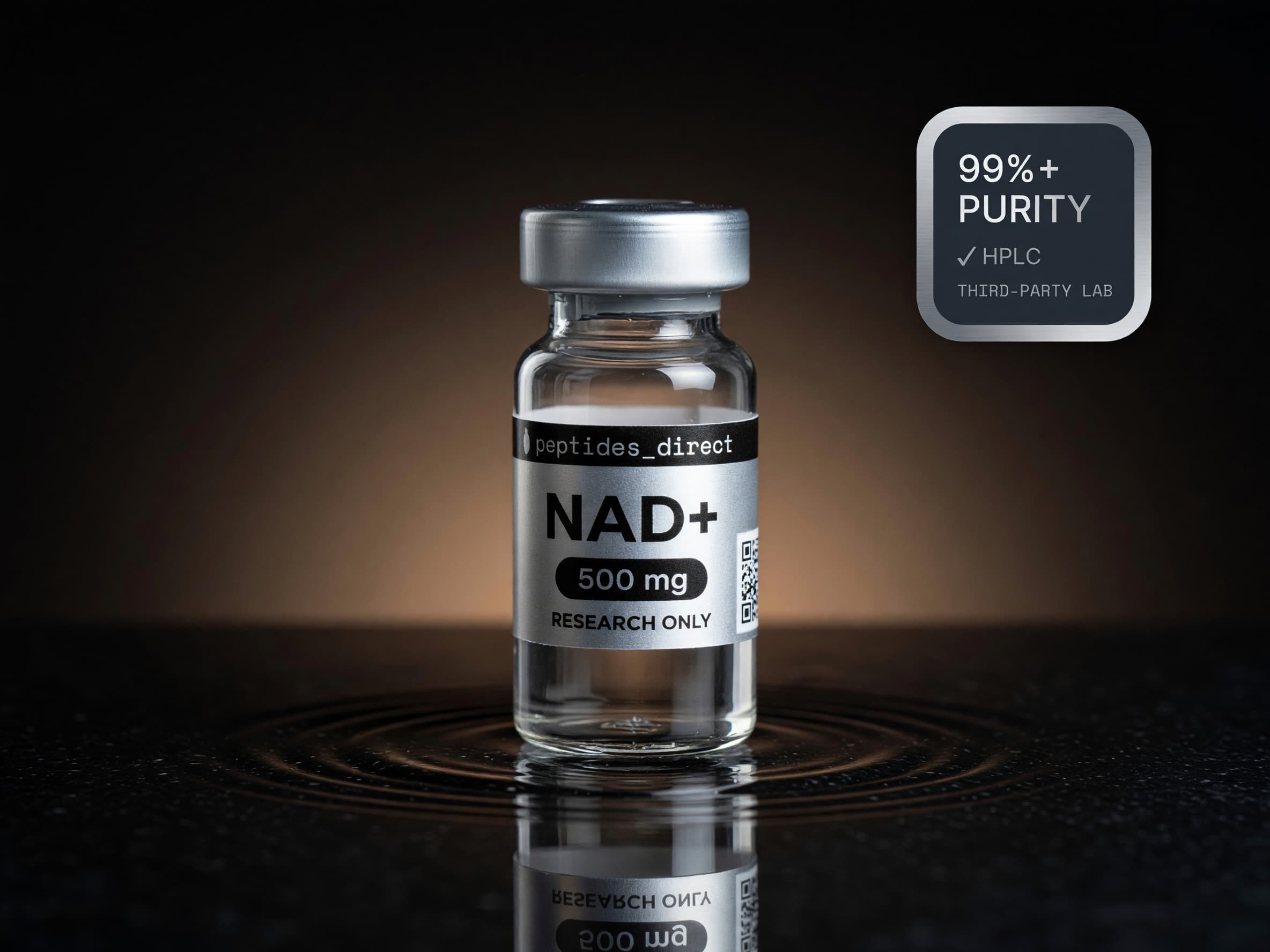
In mitochondrial-aging research, SS-31 is most often paired with MOTS-c, a mitochondrial-derived peptide that signals to the nucleus, and with NAD+ precursors that fuel the same energy pathway. Both are available below.
Mitochondrial-derived peptide for energy and metabolism research
Mitochondrial-derived signaling peptide (16 amino acids) that mimics the effects of exercise at the cellular level. Activates AMPK, improves glucose uptake, and enhances fat metabolism - a key tool in metabolic and longevity research.
Coenzyme that powers the same mitochondrial energy pathway
Essential cellular coenzyme that declines with age. Powers energy metabolism in every cell, activates sirtuins (longevity genes), and supports DNA repair. A cornerstone molecule in aging and longevity research.
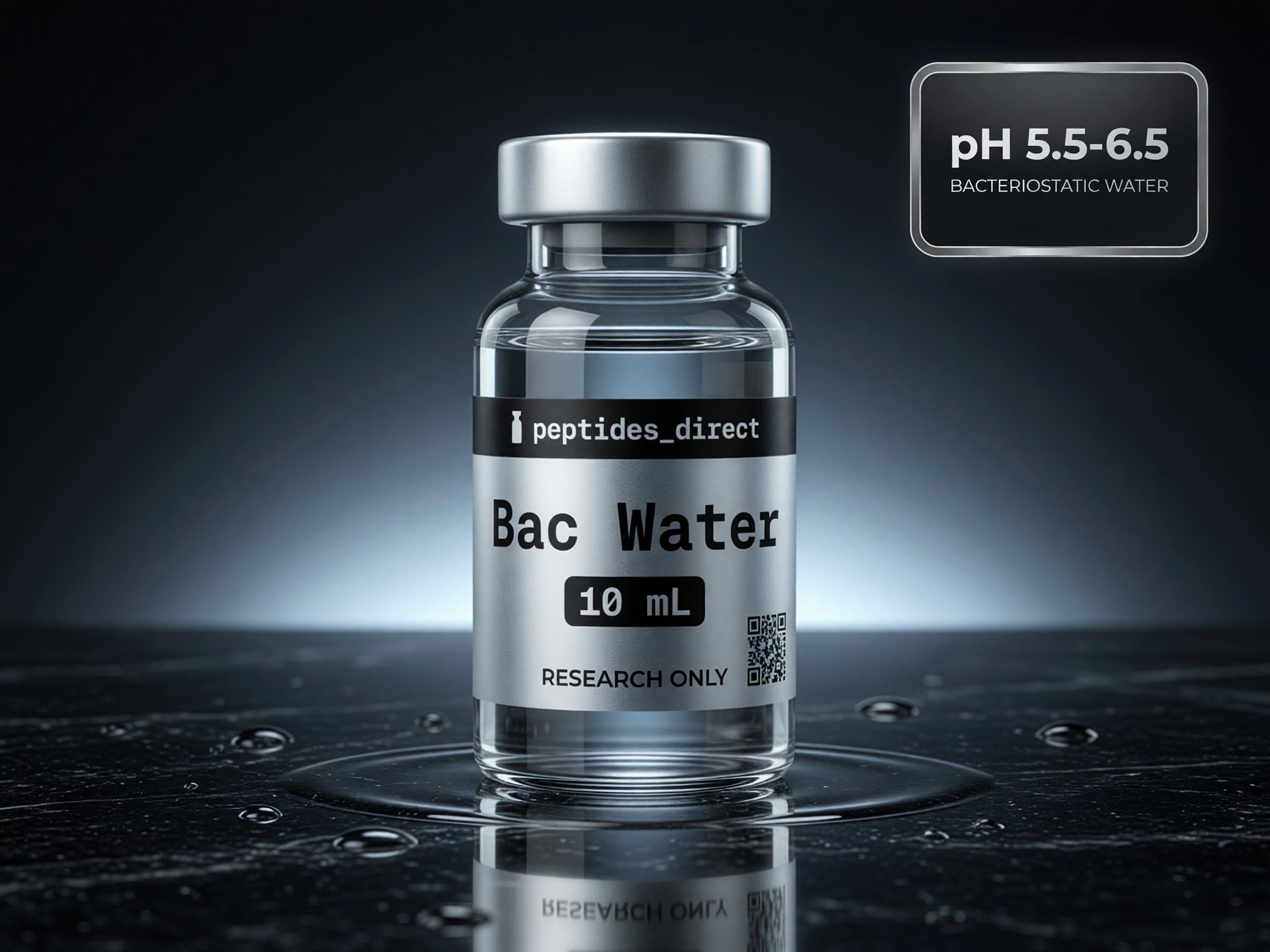
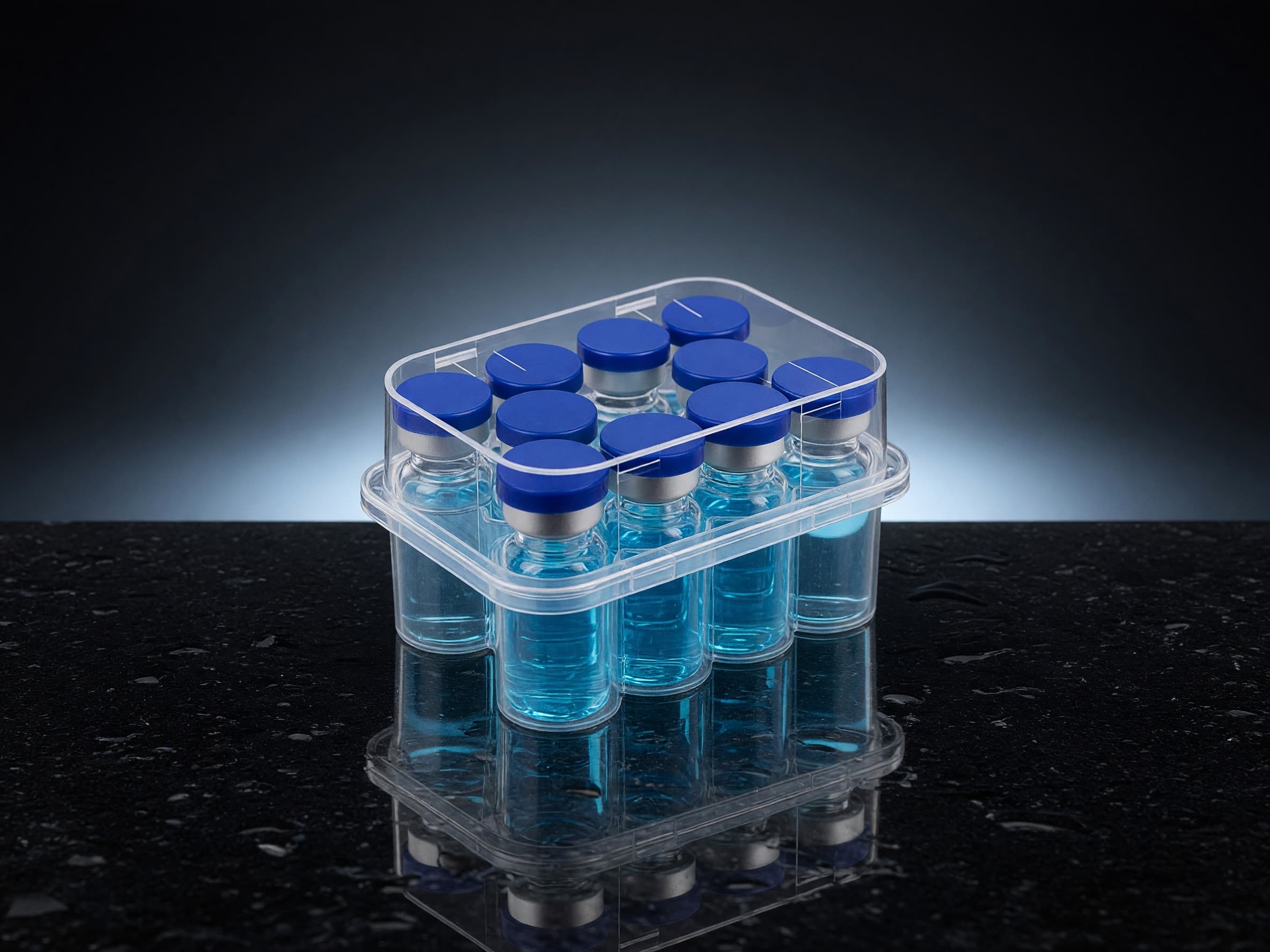
For reconstitution, the standard solvent in published protocols is bacteriostatic or sterile water.
Standard solvent for reconstitution
USP-grade sterile water with 0.9% benzyl alcohol (near-neutral, pH 6.2 to 6.4) - the standard solvent for reconstituting lyophilized peptides. Essential accessory for any peptide research. Each vial is sealed and ready to use.
Documentation
Material specification
Purity
Test method
Form
Storage (sealed)
Storage (reconstituted)
CoA
Selected research
- PMID 39940712
Elamipretide: A Review of Its Structure, Mechanism of Action, and Therapeutic Potential
Int J Mol Sci, 2025, canonical mechanism and therapeutic review - PMID 38602181
Long-term efficacy and safety of elamipretide in patients with Barth syndrome: 168-week open-label extension results of TAZPOWER
Genet Med, 2024, long-term Barth syndrome clinical extension - PMID 39917770
Expanded-access use of elamipretide in a newborn with Barth syndrome: a case report
Eur Heart J Case Rep, 2025, neonatal Barth case report - PMID 36840897
Intermittent treatment with elamipretide preserves exercise tolerance in aged female mice
Geroscience, 2023, age-related exercise capacity in mice - PMID 40427507
Targeting the Electron Transport System for Enhanced Longevity
Biomolecules, 2025, longevity-focused review of mitochondrial targets - PMID 38200543
ALCAT1-mediated abnormal cardiolipin remodelling promotes mitochondrial injury in podocytes in diabetic kidney disease
Cell Commun Signal, 2024, cardiolipin and kidney mitochondria - PMID 39364755
New insight for SS-31 in treating diabetic cardiomyopathy: Activation of mitoGPX4 and alleviation of mitochondria-dependent ferroptosis
Int J Mol Med, 2024, cardiac SS-31 mechanism study
Research use only
This material is sold strictly for in-vitro research and laboratory use. Not intended for human or animal consumption, medical, cosmetic, or household applications. Suitable only for professional laboratory environments.
Storage and stability
- Dry, lyophilized vials keep for months refrigerated, or up to 24 months frozen at -20°C.
- After reconstitution in bacteriostatic water, use within about 30 days at 2 to 8°C, and avoid repeated freeze-thaw.
Reviews
Top
AnonymousA coupon from our review program was granted for this review. 🇩🇪 · August 14, 2026
* Reviewer received a 5% thank-you coupon from our review program, independent of the rating.
Only customers who ordered the product from us can leave a review; we verify this automatically against the order number. Every review submitted is published, regardless of star rating. Rewarded reviews from our coupon program are individually labelled.
Frequently Asked Questions
Technical data sheet
- CAS number
- 736992-21-5
- Molecular formula
- C₃₂H₄₉N₉O₅
- Molar mass
- 639.79 g/mol
- Type / receptor
- Mitochondria-targeting tetrapeptide
- Form
- White lyophilized powder
- Solubility
- Bacteriostatic water (BAC)
- Storage
- -20°C for up to 24 months; 30 days at 2-8°C after reconstitution
Identity data from public chemical references (PubChem). Per-batch purity: see lab reports below.
Frequently bought together
Complete your subcutaneous research workflow