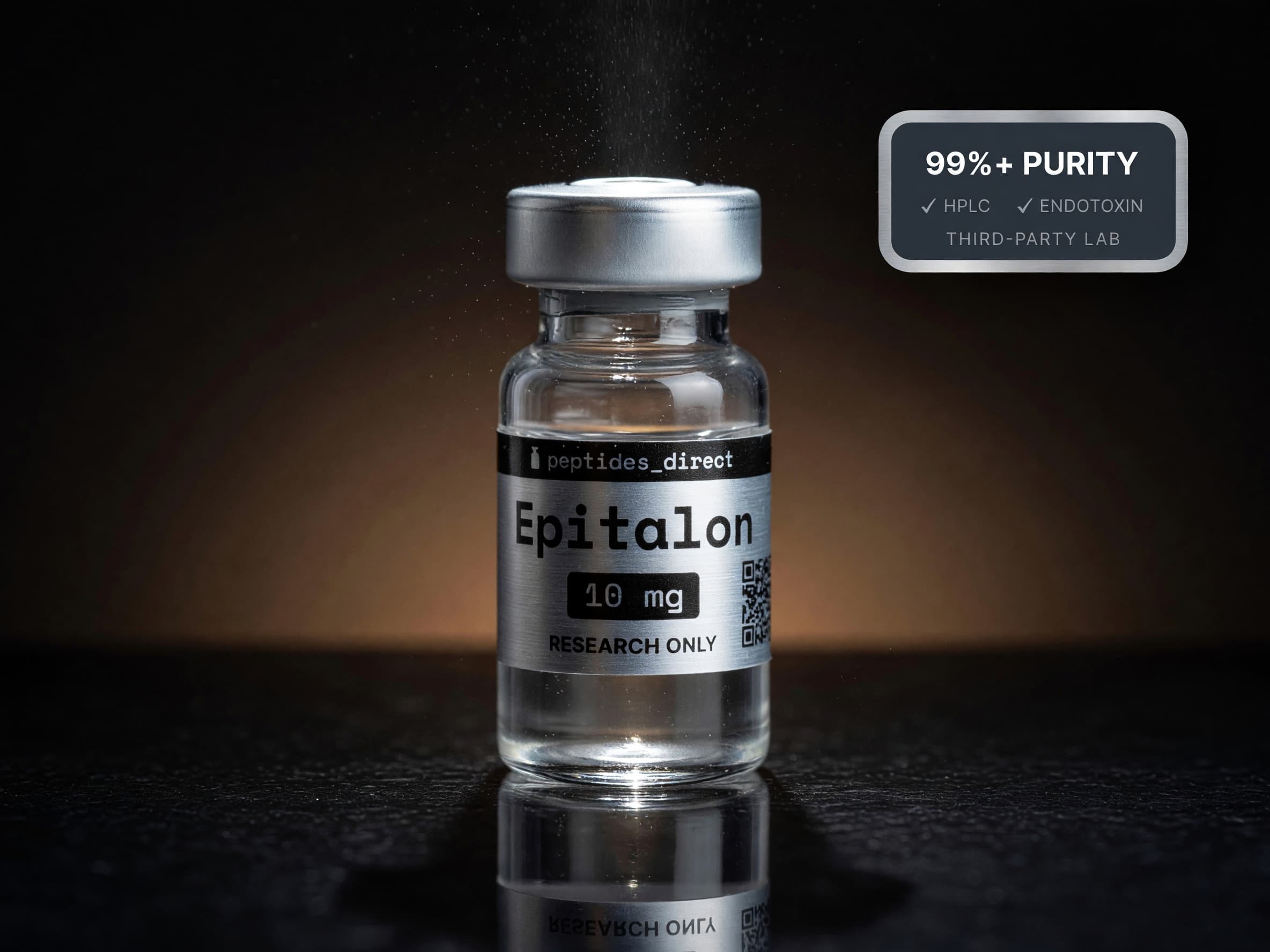
Epitalon
Tetrapeptide (Ala-Glu-Asp-Gly) that activates telomerase, the enzyme responsible for maintaining telomere length. One of the most studied peptides in longevity research, developed by Prof. Khavinson at the St. Petersburg Institute of Bioregulation.
99.43%Third-party lab: Kovera LabsView COA€29.99
€36.99
−19%(€7.00)savedFor Research Use Only
This product is sold strictly for in-vitro research and laboratory use. Not intended for human consumption or any in-vivo application.
Payment Methods
Telomerase activator
Switches on telomerase, the enzyme that rebuilds the protective caps at the ends of chromosomes, in human cell cultures.
Telomere extension
Lengthens telomeres in somatic cells and lets them divide past the usual Hayflick limit in laboratory experiments.
Pineal-gland peptide
Modeled on a natural fragment from the pineal gland, the brain organ that governs the body clock and melatonin output.
Melatonin and circadian rhythm
Boosts melatonin synthesis in pinealocyte cultures and helps stabilize circadian rhythms in animal models.
Longevity research
One of the most studied longevity peptides, with reported lifespan extension in flies, mice, and rats across multiple labs.
Switches genes on and off
Interacts with chromatin and modulates gene expression in laboratory models, which links Epitalon to epigenetic and anti-aging research.
Research areas
What is Epitalon
Epitalon, also written Epithalon, is a synthetic tetrapeptide built from four amino acids: alanine, glutamic acid, aspartic acid, and glycine (Ala-Glu-Asp-Gly, or AEDG). It was designed by Russian gerontologist Vladimir Khavinson at the St. Petersburg Institute of Bioregulation and Gerontology as a short, stable copy of an active fragment found in Epithalamin, a natural extract of the pineal gland.
The pineal gland is the small organ in the brain that releases melatonin and helps set the body clock. Its activity declines with age. Epitalon was created to capture the regulatory signal of that gland in a single, well-defined molecule that can be made under pharmaceutical-grade conditions.
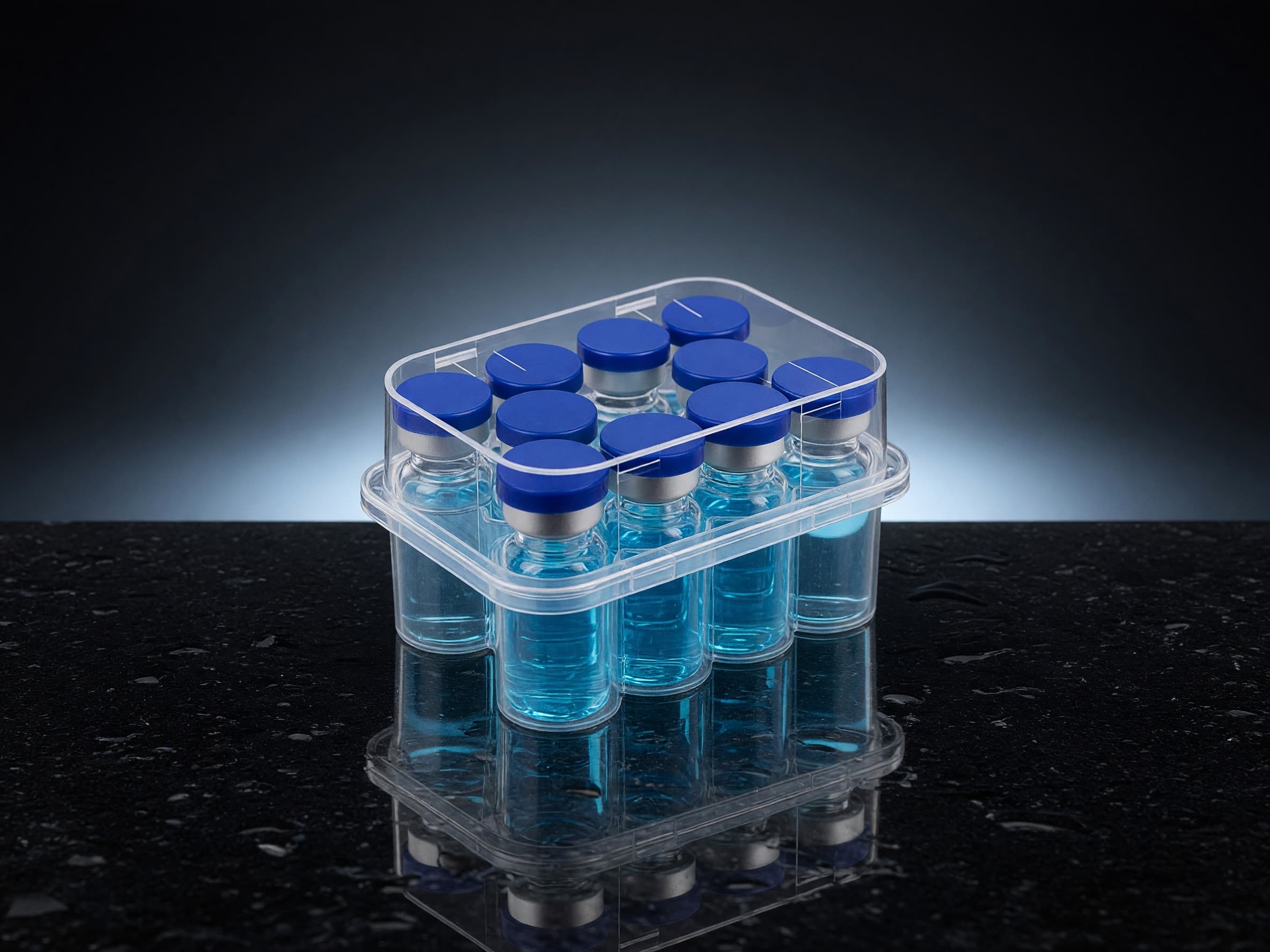
We supply it as a lyophilized (freeze-dried) powder, the same form used across the published research.
How it works
The clearest finding is on telomeres. Every time a cell divides, the protective caps at the ends of its chromosomes get shorter. Once the caps run out, the cell stops dividing. Epitalon switches on telomerase, the enzyme that rebuilds those caps, in human somatic cells. In Khavinson's landmark 2003 experiments, treated cells lengthened their telomeres and kept dividing well past the limit normally seen in untreated cultures.
A second pathway is epigenetic. Epitalon modulates gene expression in laboratory models and is reported to interact with chromatin. Recent work shows it triggers expression of neurogenesis-related genes and proteins, which suggests it works as a small-molecule epigenetic regulator rather than as a classic receptor agonist.
A third pathway runs through the pineal gland itself. In pinealocyte cultures, Epitalon boosts melatonin production and supports the natural day-night rhythm of the cells. In aged animals, the same peptide helps restore circadian patterns of melatonin release that fade with age.
Lifespan studies tie these mechanisms together. In Drosophila, mice, and female rats, Epitalon-treated groups lived longer on average than controls, with fewer age-related tumors in some protocols. Together the data make Epitalon one of the most thoroughly studied peptides in longevity research.
Often studied alongside
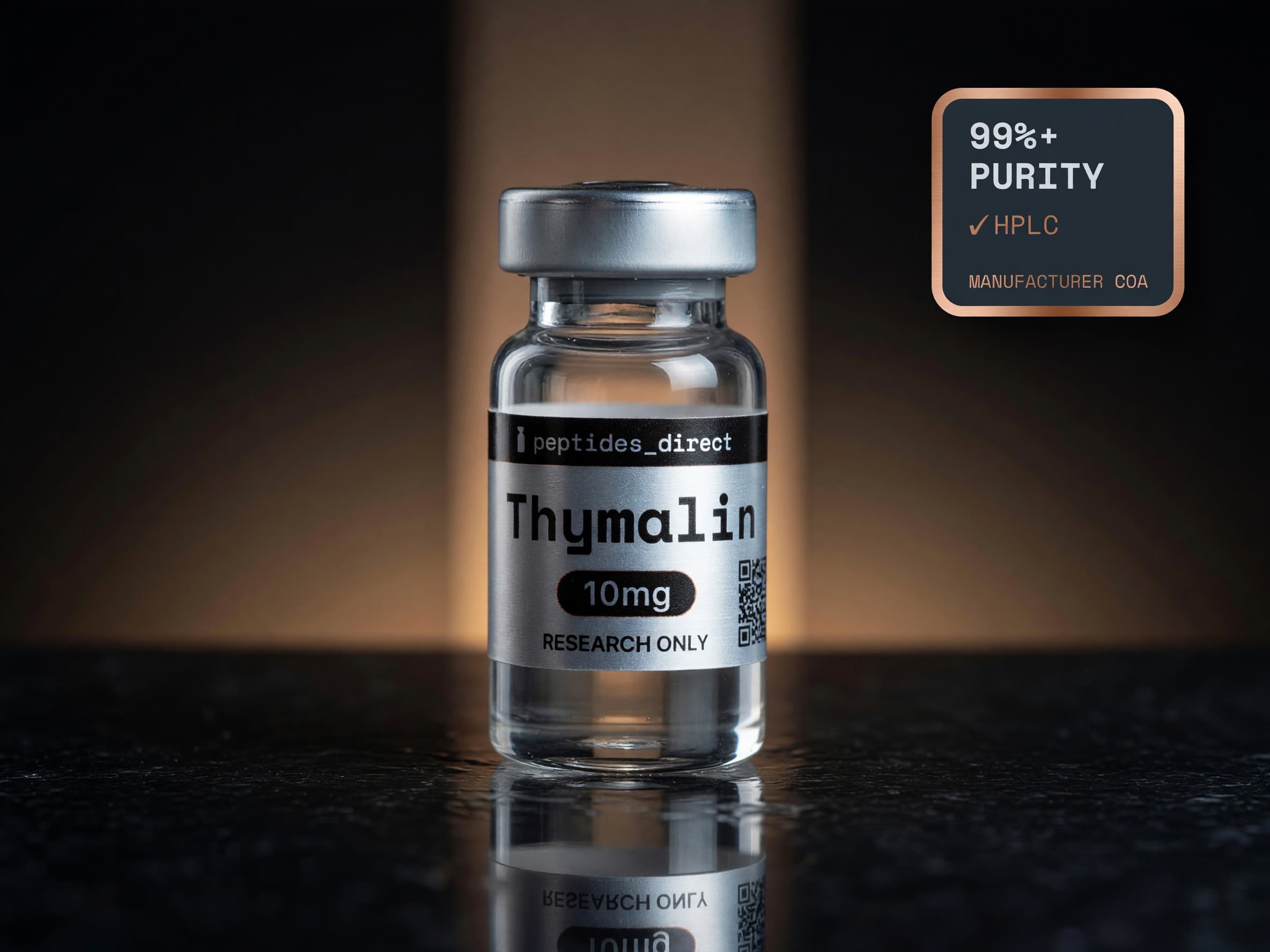
Khavinson's research program pairs Epitalon with Thymalin, a thymus peptide that targets the immune side of aging while Epitalon targets the pineal side. The two are commonly studied together as a thymus-pineal "bioregulator stack."
Thymus peptide commonly paired with Epitalon
Thymus-derived immune peptide developed by Prof. Khavinson. Restores T-cell function and thymic activity that naturally decline with age. Over 40 years of clinical use in Russia for immune support and anti-aging research.
In modern longevity stacks, Epitalon is also studied next to MOTS-c, a mitochondrial-derived peptide linked to metabolic aging.
Mitochondrial peptide studied for metabolic aging
Mitochondrial-derived signaling peptide (16 amino acids) that mimics the effects of exercise at the cellular level. Activates AMPK, improves glucose uptake, and enhances fat metabolism - a key tool in metabolic and longevity research.
NAD+ precursors are another natural pairing in cellular-aging research, since telomere maintenance and mitochondrial NAD+ levels both decline with age.
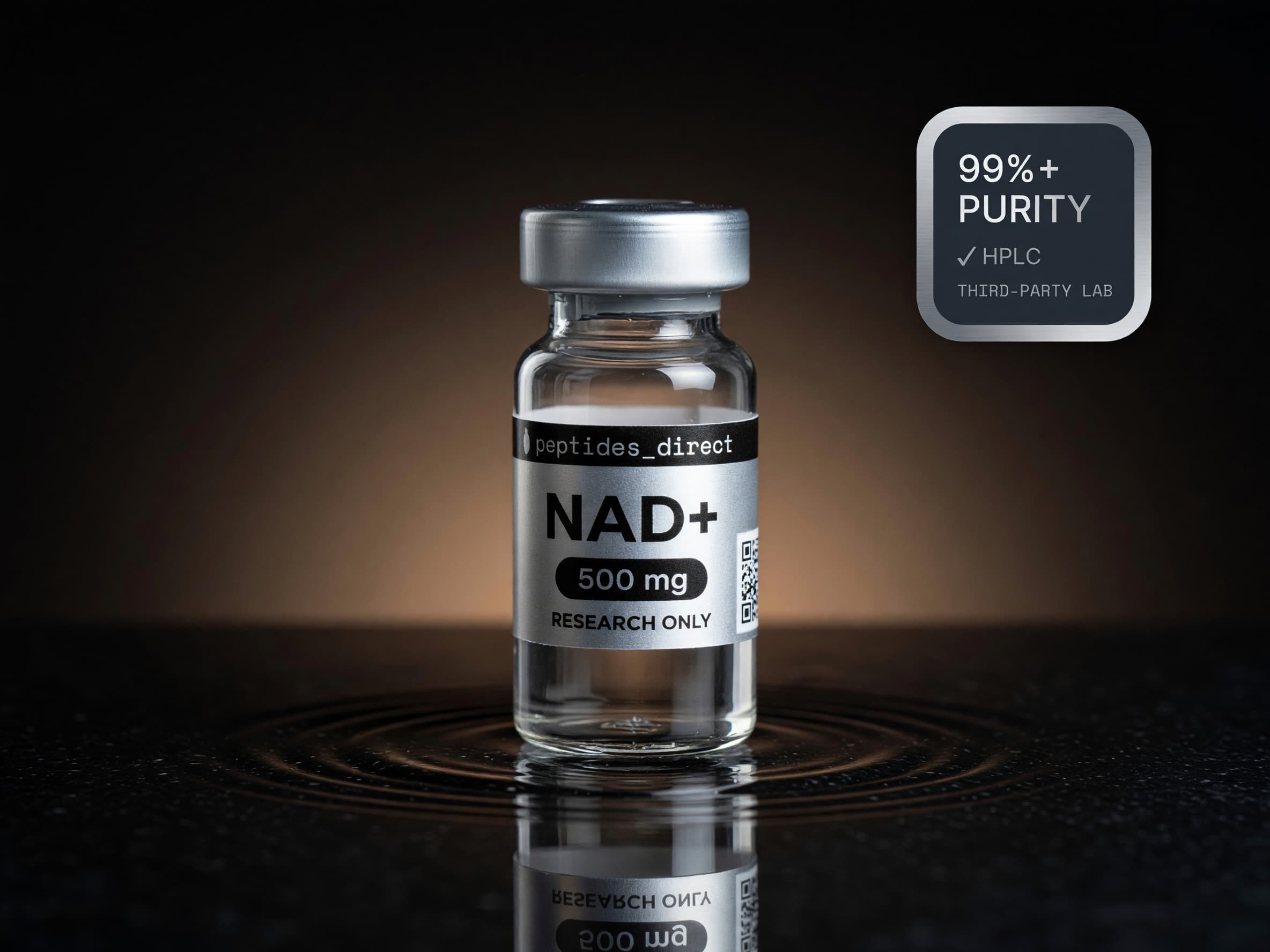
NAD+ for cellular energy and aging research
Essential cellular coenzyme that declines with age. Powers energy metabolism in every cell, activates sirtuins (longevity genes), and supports DNA repair. A cornerstone molecule in aging and longevity research.
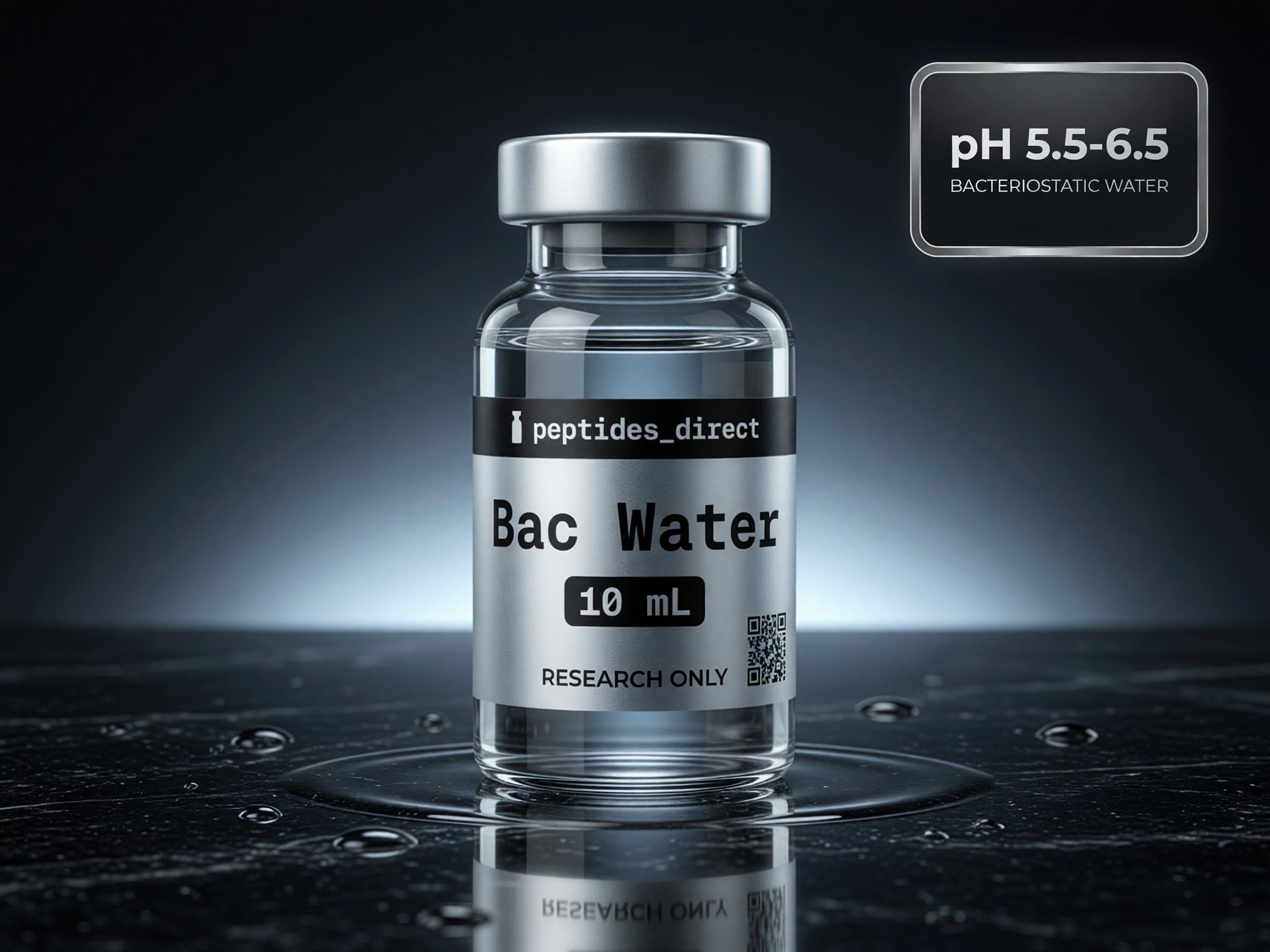
For reconstitution, the standard solvent in published protocols is bacteriostatic or sterile water.
Standard solvent for reconstitution
USP-grade sterile water with 0.9% benzyl alcohol (near-neutral, pH 6.2 to 6.4) - the standard solvent for reconstituting lyophilized peptides. Essential accessory for any peptide research. Each vial is sealed and ready to use.
Documentation
Material specification
Purity
Test method
Form
Storage (sealed)
Storage (reconstituted)
CoA
Selected research
- PMID 12937682
Khavinson VKh et al. Epithalon peptide induces telomerase activity and telomere elongation in human somatic cells
Bull Exp Biol Med, 2003, the foundational telomerase paper - PMID 15455129
Khavinson VKh et al. Peptide promotes overcoming of the division limit in human somatic cell
Bull Exp Biol Med, 2004, Hayflick-limit follow-up - PMID 22816096
Khavinson VKh et al. Molecular cellular mechanisms of peptide regulation of melatonin synthesis in pinealocyte culture
Bull Exp Biol Med, 2012, melatonin and pineal mechanism - PMID 18856211
Vinogradova IA et al. Effect of Ala-Glu-Asp-Gly peptide on life span and development of spontaneous tumors in female rats
Bull Exp Biol Med, 2007, lifespan and tumor incidence in rats - PMID 11103316
Khavinson VKh et al. Effect of the Ala-Glu-Asp-Gly peptide on lifespan in Drosophila melanogaster
Dokl Biol Sci, 2000, lifespan extension in flies - PMID 32019204
Khavinson V et al. AEDG Peptide (Epitalon) Stimulates Gene Expression and Protein Synthesis during Neurogenesis
Molecules, 2020, epigenetic mechanism in neural cells - PMID 40141333
Araj SK et al. Overview of Epitalon: Highly Bioactive Pineal Tetrapeptide with Promising Properties
Int J Mol Sci, 2025, comprehensive review
Research use only
This material is sold strictly for in-vitro research and laboratory use. Not intended for human or animal consumption, medical, cosmetic, or household applications. Suitable only for professional laboratory environments.
Storage and stability
- Dry, lyophilized vials keep for months refrigerated, or up to 24 months frozen at -20°C.
- After reconstitution in bacteriostatic water, use within about 30 days at 2 to 8°C, and avoid repeated freeze-thaw.
Reviews
No reviews yet. Write the first one!
Only customers who ordered the product from us can leave a review; we verify this automatically against the order number. Every review submitted is published, regardless of star rating. Rewarded reviews from our coupon program are individually labelled.
Frequently Asked Questions
Technical data sheet
- CAS number
- 307297-39-8
- Molecular formula
- C₁₄H₂₂N₄O₉
- Molar mass
- 390.35 g/mol
- Type / receptor
- Telomerase-activating tetrapeptide
- Form
- White lyophilized powder
- Solubility
- Bacteriostatic water (BAC)
- Storage
- -20°C for up to 24 months; 30 days at 2-8°C after reconstitution
Identity data from public chemical references (PubChem). Per-batch purity: see lab reports below.
Frequently bought together
Complete your subcutaneous research workflow