WOLVERINE (BPC-157 + TB-500)
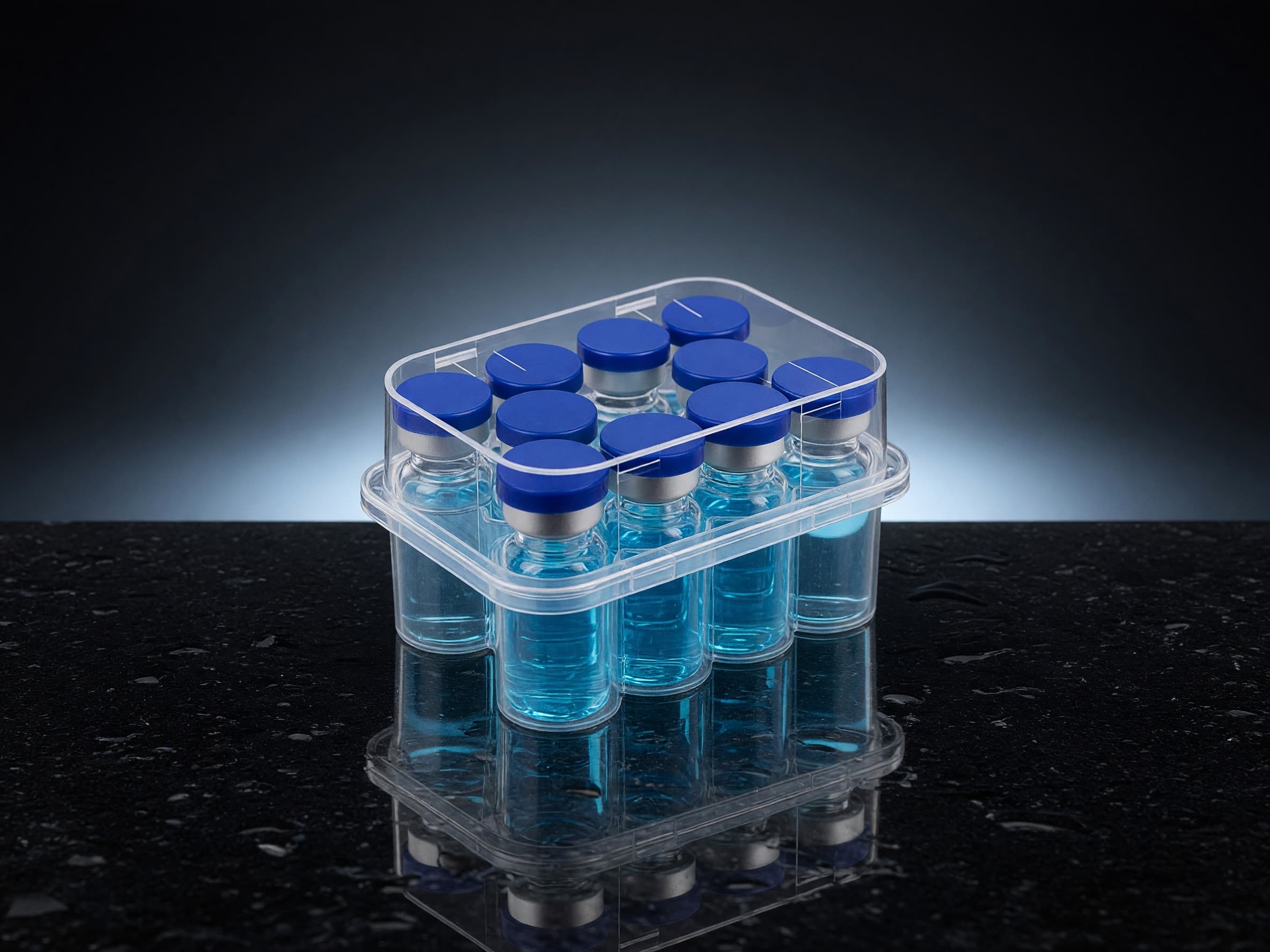
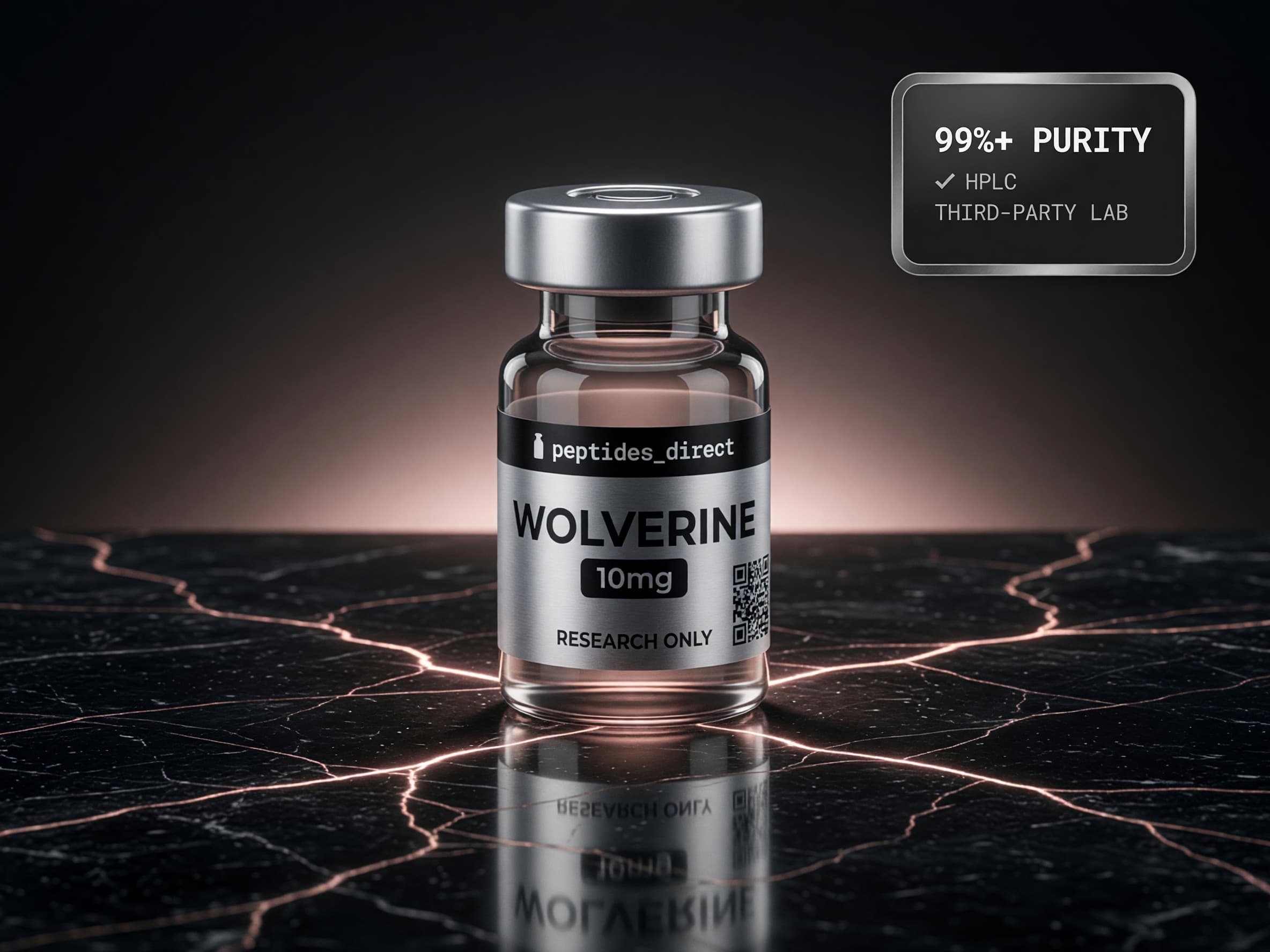
The Wolverine Stack: BPC-157 + TB-500 in equal parts in one vial (50/50: 10mg = 5mg each, 20mg = 10mg each). The most researched healing peptide duo for tissue repair, tendon recovery, and systemic regeneration. Batch-specific Janoshik COA.
99.90%Third-party lab: JanoshikView COA5.02 reviews€59.99
€69.99
−14%(€10.00)savedFor Research Use Only
This product is sold strictly for in-vitro research and laboratory use. Not intended for human consumption or any in-vivo application.
Payment Methods
Two peptides, one vial
A pre-mixed blend of BPC-157 and TB-500, the two most studied regenerative peptides in tissue-repair literature. Often called the "Wolverine Stack" by researchers.
BPC-157: vessels and gut
A 15-amino-acid pentadecapeptide first isolated from gastric juice. In animal models it promotes new blood-vessel formation, supports endothelial nitric-oxide signaling, and accelerates wound closure.
TB-500: actin and migration
Full-length synthetic thymosin beta-4 (43 amino acids). Binds G-actin and helps regulate the cytoskeleton, the cellular machinery that lets cells crawl into a wound and rebuild tissue.
Tendon and soft-tissue research
Both peptides appear in the published literature on tendon, ligament, muscle, and skin repair models. The blend is widely used in combination-peptide research on musculoskeletal injury.
Calms inflammation
In animal and cell-culture studies, both peptides reduce pro-inflammatory cytokines such as TNF-alpha and IL-6, dampening the inflammatory phase of the repair cascade.
Complementary mechanisms
BPC-157 acts mainly on growth-factor and angiogenic pathways (VEGFR2, eNOS). TB-500 acts on the actin cytoskeleton and cell migration. The two pathways are studied as complementary in tissue-repair research.
Research areas
What is BPC-157 + TB-500 Mix
BPC-157 + TB-500 Mix is a single lyophilized vial containing two synthetic research peptides at fixed ratio. BPC-157 is a 15-amino-acid pentadecapeptide derived from a protective protein found in gastric juice. TB-500 is full-length synthetic thymosin beta-4 (43 amino acids), a naturally occurring actin-binding peptide present in nearly every cell of the body.
The combination is often called the "Wolverine Stack" in research circles, named after the comic-book character known for rapid healing. It is the most popular combo in tissue-regeneration research, because the two peptides target different but complementary steps of the repair cascade.
We supply the blend in lyophilized (freeze-dried) form: the same molecules used in the published studies, pre-mixed at a research-standard ratio.
How it works
Tissue repair is not one event. It involves stopping inflammation, building new blood vessels, recruiting cells to the injury site, rebuilding extracellular matrix, and remodeling the new tissue. BPC-157 and TB-500 each cover a different part of that cascade.
BPC-157 acts mostly on the vascular and growth-factor side. It upregulates VEGFR2 and activates the Akt-eNOS pathway, supporting the formation of new capillaries and stabilizing blood-vessel function. It also raises growth-factor signals such as EGR-1 and FGF, and protects endothelial cells under stress in animal models.
TB-500 acts mostly on the cytoskeleton. It binds G-actin, the building block of the cellular skeleton, and regulates how much free actin is available when a cell needs to change shape, migrate, or divide. This matters for fibroblasts crawling into a wound, for endothelial cells forming new vessels, and for stem cells homing to damaged tissue.
Used together in research models, the two peptides cover both the structural side of repair (vessels, growth factors, BPC-157) and the cellular-mobility side (actin, migration, TB-500). Both also lower pro-inflammatory cytokines, which means the early inflammatory phase is dampened on two pathways at once.
Often studied alongside
BPC-157 and TB-500 are also studied individually, and many research protocols compare the single peptides against the blend to separate which effects come from which compound. Both are available in research-grade form below.
BPC-157 alone, the gastric pentadecapeptide
Gastric pentadecapeptide (15 amino acids) known for exceptional tissue repair properties. Promotes wound healing, angiogenesis, and cytoprotection across tendons, muscles, gut, and nerves. Over 30 years of preclinical research.
TB-500 alone, full-length thymosin beta-4
Full-length 43-amino-acid Thymosin Beta-4, a naturally occurring repair protein, independently confirmed by a third-party CoA from Janoshik. Promotes cell migration and new blood vessel formation for systemic tissue healing. Especially researched for muscle, tendon, and cardiac repair.
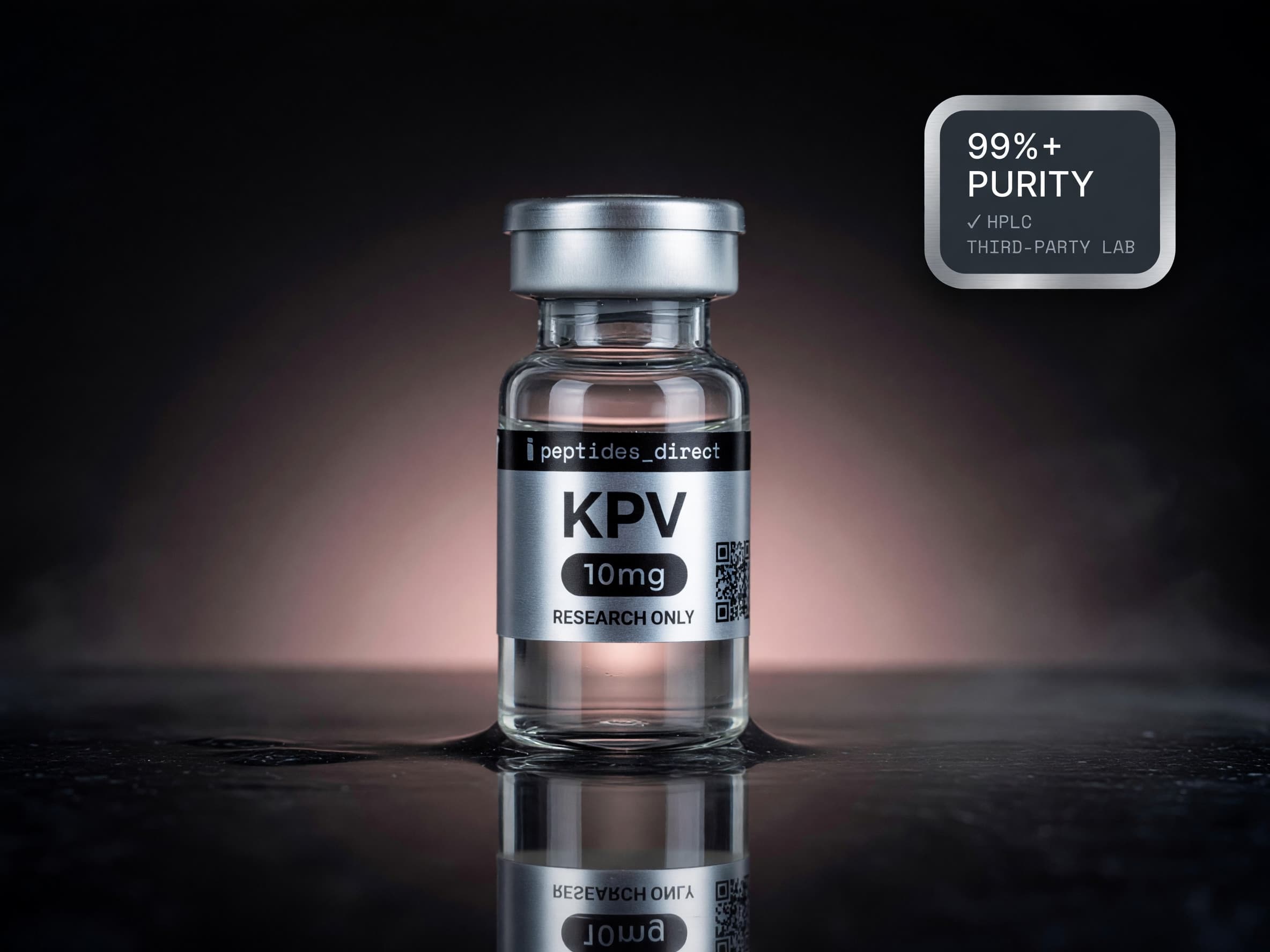
For research that adds a skin and anti-inflammatory layer on top of the regeneration stack, the KLOW blend pairs the same two peptides with GHK-Cu and KPV. KLOW is studied in protocols that target both deep-tissue repair and skin or mucosal surfaces.
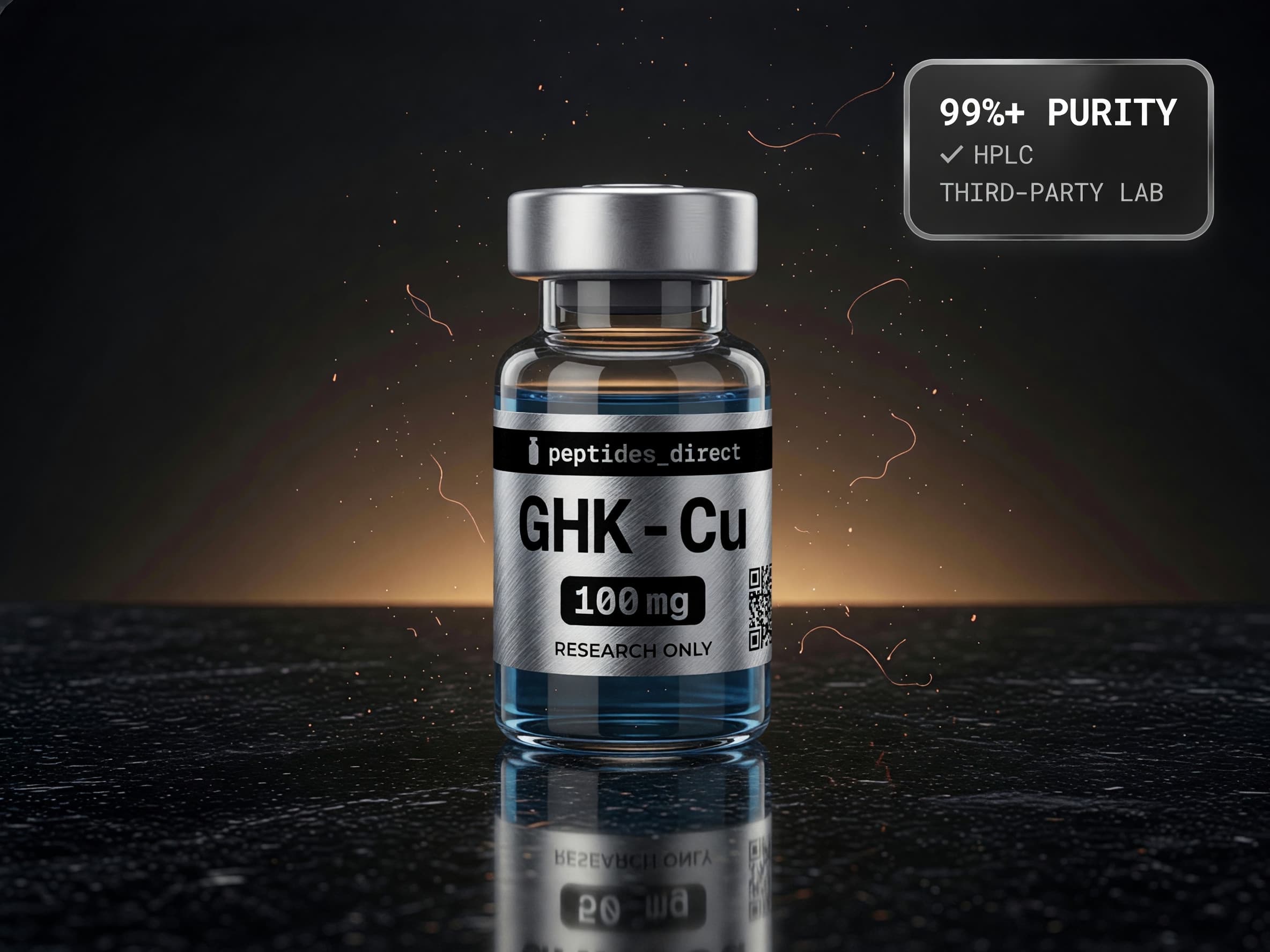
Four-peptide blend: BPC-157 + TB-500 + GHK-Cu + KPV
4-in-1 anti-aging peptide blend: GHK-Cu 50mg + BPC-157 10mg + TB-500 10mg + KPV 10mg. Targets collagen synthesis, tissue regeneration, skin repair, and anti-inflammatory pathways.
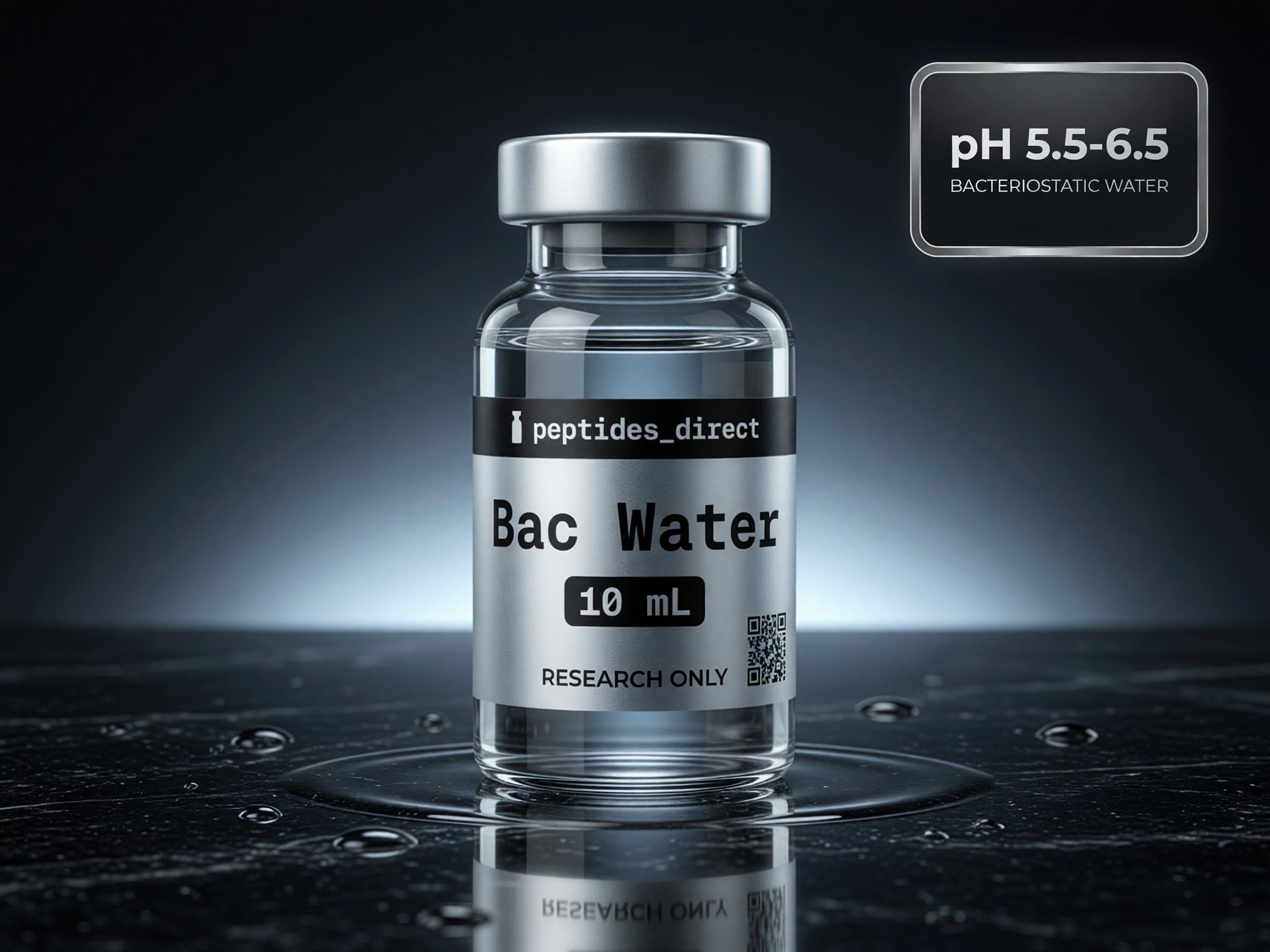
For reconstitution, the standard solvent in published protocols is bacteriostatic or sterile water.
Standard solvent for reconstitution
USP-grade sterile water with 0.9% benzyl alcohol (near-neutral, pH 6.2 to 6.4) - the standard solvent for reconstituting lyophilized peptides. Essential accessory for any peptide research. Each vial is sealed and ready to use.
Documentation
Material specification
Purity
Test method
Form
Storage (sealed)
Storage (reconstituted)
CoA
Selected research
- PMID 34267654
Stable Gastric Pentadecapeptide BPC 157 and Wound Healing
Front Pharmacol, 2021, canonical BPC-157 wound-healing review - PMID 33051481
Modulatory effects of BPC 157 on vasomotor tone and the Src-Caveolin-1-endothelial nitric oxide synthase pathway
Sci Rep, 2020, BPC-157 vascular and eNOS mechanism - PMID 36464872
Thymosin β4 and Actin: Binding Modes, Biological Functions and Clinical Applications
Curr Protein Pept Sci, 2023, canonical TB-4 actin-binding review - PMID 26094634
Thymosin β4: multiple functions in protection, repair and regeneration of the mammalian heart
Expert Opin Biol Ther, 2015, TB-4 repair and regeneration review - PMID 30063858
Thymosin β4 for the treatment of acute stroke: neurorestorative or neuroprotective?
Expert Opin Biol Ther, 2018, TB-4 neurorestoration review - PMID 32245208
Thymosin β4-Enhancing Therapeutic Efficacy of Human Adipose-Derived Stem Cells in Mouse Ischemic Hindlimb Model
Int J Mol Sci, 2020, TB-4 stem-cell migration and angiogenesis - PMID 41966639
Safety and Efficacy of Approved and Unapproved Peptide Therapies for Musculoskeletal Injuries and Athletic Performance
Sports Med, 2026, review covering both BPC-157 and TB-500
Research use only
This material is sold strictly for in-vitro research and laboratory use. Not intended for human or animal consumption, medical, cosmetic, or household applications. Suitable only for professional laboratory environments.
Storage and stability
- Dry, lyophilized vials keep for months refrigerated, or up to 24 months frozen at -20°C.
- After reconstitution in bacteriostatic water, use within about 30 days at 2 to 8°C, and avoid repeated freeze-thaw.
Reviews
AnonymousA coupon from our review program was granted for this review. 🇩🇪 · August 14, 2026
Super alles top
AnonymousA coupon from our review program was granted for this review. 🇩🇪 · August 14, 2026
* Reviewer received a 5% thank-you coupon from our review program, independent of the rating.
Only customers who ordered the product from us can leave a review; we verify this automatically against the order number. Every review submitted is published, regardless of star rating. Rewarded reviews from our coupon program are individually labelled.
Frequently Asked Questions
Frequently bought together
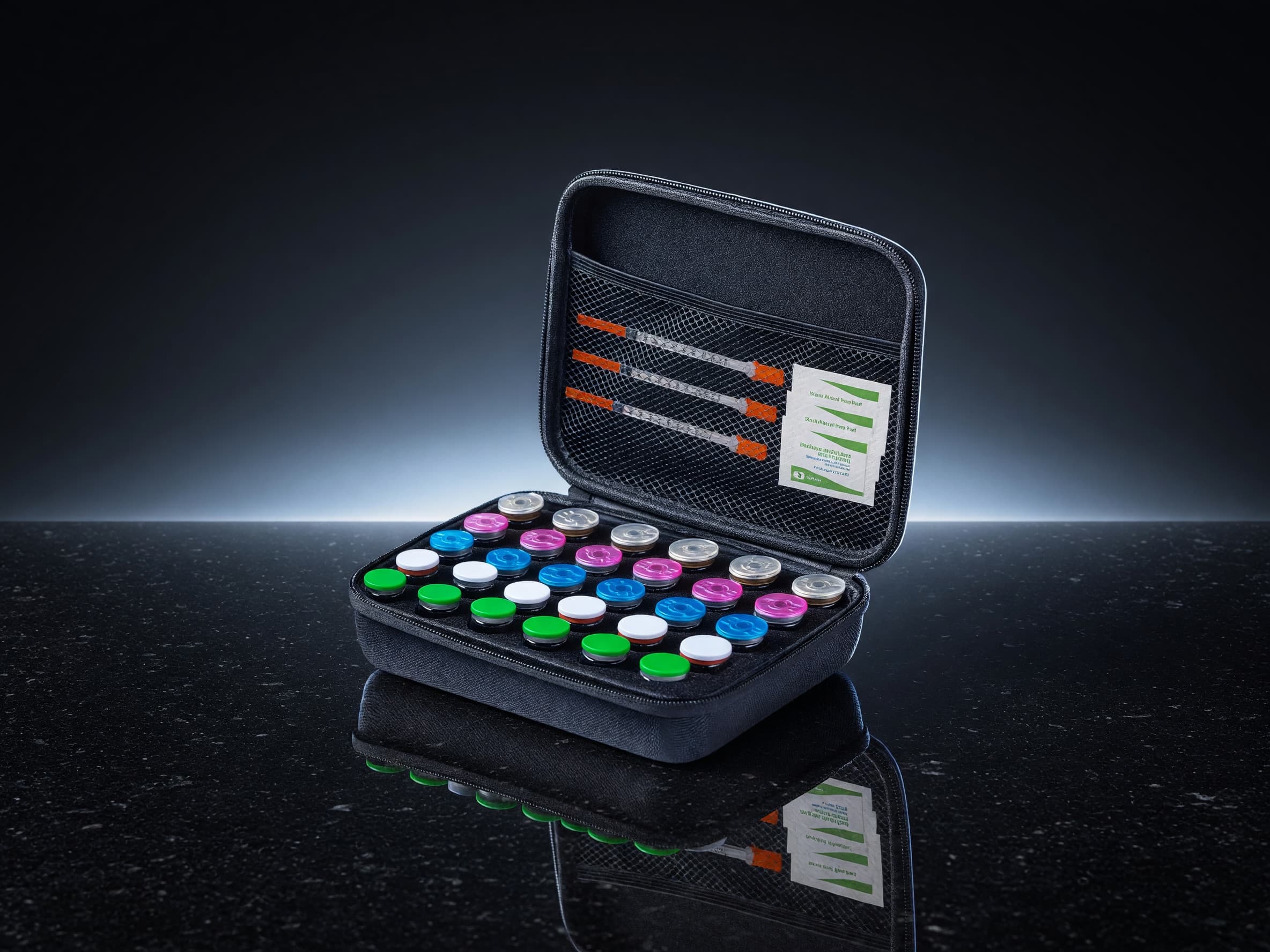
Complete your subcutaneous research workflow