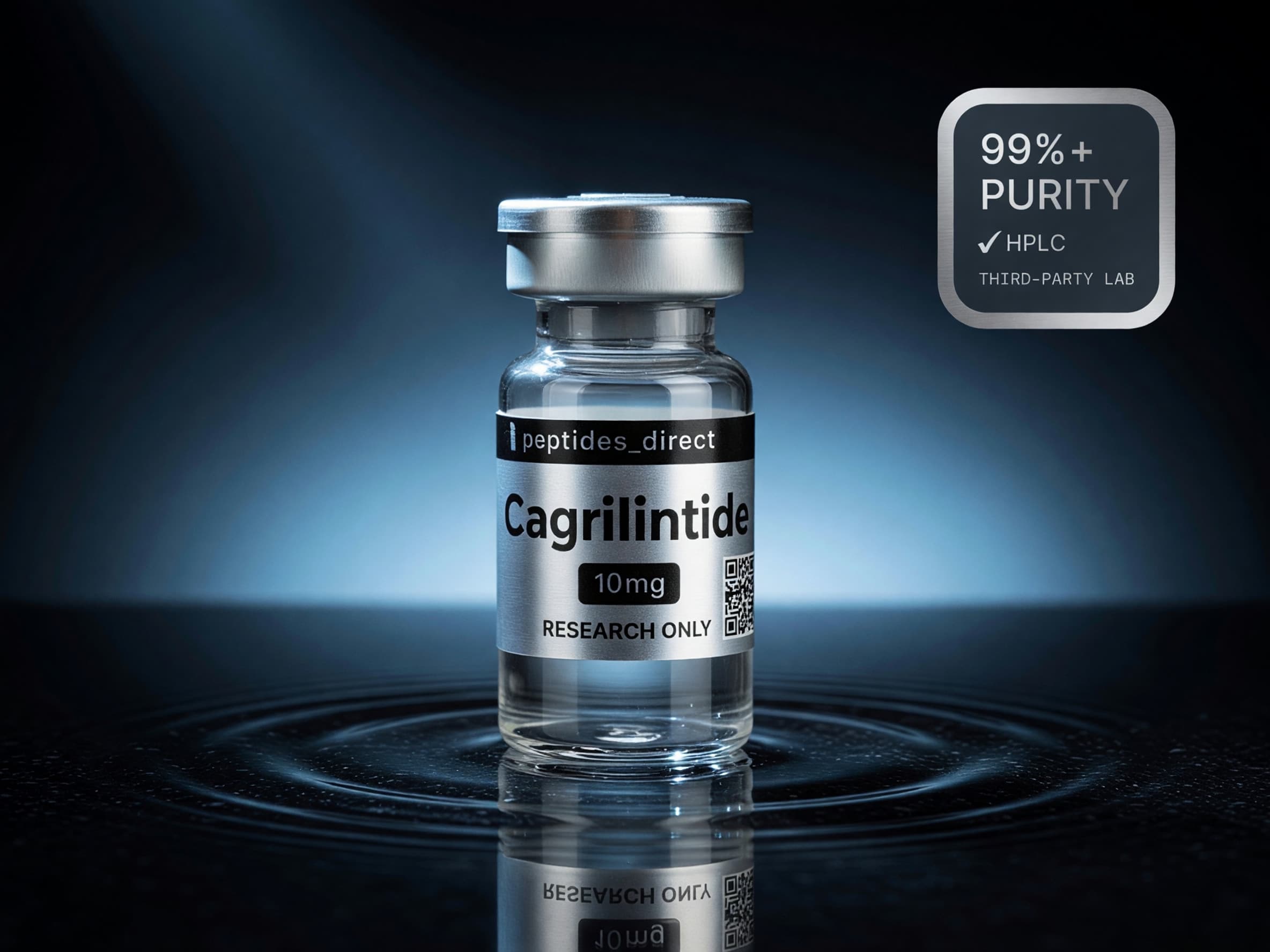
Cagrilintide
Long-acting amylin analog studied for once-weekly satiety and appetite control. Phase 3 REDEFINE trials complete, NDA filed with FDA December 2025. A mechanism distinct from GLP-1 agonists.
99.90%Third-party lab: Freedom DiagnosticsView COA5.01 review€79.99
€94.99
−16%(€15.00)savedFor Research Use Only
This product is sold strictly for in-vitro research and laboratory use. Not intended for human consumption or any in-vivo application.
Payment Methods
Long-acting amylin analog
Cagrilintide (developmental code AM833) is a fatty-acid-modified amylin analog. Half-life around 7 days enables once-weekly dosing, unlike native amylin which requires multiple daily injections.
REDEFINE Phase 3 program
Novo Nordisk filed an NDA with the FDA on 18 December 2025 for CagriSema (cagrilintide + semaglutide). REDEFINE 1, published in NEJM 2025, reported 20.4 percent mean weight reduction at 68 weeks under the primary treatment-policy estimand; the widely quoted 22.7 percent is the trial-product estimand, which models the effect if every participant had adhered to treatment.
Standalone trial results
In the Lau 2021 Phase 2 dose-finding trial (Lancet), once-weekly cagrilintide 4.5 mg produced 10.8 percent weight loss at 26 weeks, ahead of the active comparator liraglutide 3.0 mg (9.0 percent).
Distinct from GLP-1 pathway
Cagrilintide activates amylin receptors in the hindbrain (calcitonin receptor + RAMP1/2/3 heterodimers), independent of the GLP-1 receptor pathway used by semaglutide and tirzepatide.
Slows gastric emptying
Through vagal nerve modulation, cagrilintide prolongs gastric emptying time, which extends the natural release of postprandial satiety hormones (CCK, GLP-1, PYY) during digestion.
Often stacked with GLP-1s
Because the amylin pathway is independent of GLP-1, cagrilintide is commonly studied alongside semaglutide, tirzepatide, or retatrutide for additive weight reduction in research protocols.
Research areas
What is Cagrilintide
Cagrilintide, also known by the developmental code AM833, is a synthetic long-acting amylin analog developed by Novo Nordisk. Native amylin is a 37-amino-acid peptide co-secreted with insulin from pancreatic beta cells after meals; cagrilintide is structurally modified with a fatty-acid side chain that binds albumin, extending the half-life to roughly 7 days for once-weekly subcutaneous administration. Phase 3 REDEFINE 1 and REDEFINE 2 trials are complete and the FDA decision on the CagriSema combination is expected in late 2026.
We supply it as a lyophilized (freeze-dried) powder for laboratory research, with a batch-specific third-party certificate of analysis.
How it works
Cagrilintide acts as a long-acting agonist at amylin receptors, which are heterodimers of the calcitonin receptor (CTR) and one of three receptor activity-modifying proteins (RAMP1, RAMP2, RAMP3):
- Area postrema: highest expression of AMY3 receptors (CTR + RAMP3); activation drives homeostatic satiety signals
- Hypothalamus: modulates hedonic hunger (reward-driven eating) via downstream neuropeptide circuits
- Vagal afferents: slows gastric emptying by 60 to 90 minutes, extending postprandial CCK, GLP-1, and PYY release
GLP-1 agonists like semaglutide and dual agonists like tirzepatide act on a completely separate receptor family. This mechanistic independence is why combining cagrilintide with semaglutide (CagriSema) produces additive weight loss greater than either drug alone: the brain receives two parallel satiety signals from independent neuronal pathways.
Often studied alongside
Research protocols frequently pair cagrilintide with GLP-1-class peptides for additive satiety effects, since the two receptor systems are independent. Retatrutide (triple agonist) and tesamorelin (GHRH analog targeting visceral fat) are commonly investigated as adjacent or stacked compounds.
Triple agonist studied for weight reduction
First-ever triple-action weight management peptide targeting three receptors at once: GLP-1, GIP, and glucagon. Shown exceptional results in Phase 2 trials - up to 24% weight reduction. The most advanced metabolic peptide available.
GHRH analog studied for visceral fat reduction
Modified GHRH analog for lipodystrophy and metabolic liver research
For reconstitution, the standard solvent in published protocols is bacteriostatic or sterile water.
Standard solvent for reconstitution
USP-grade sterile water with 0.9% benzyl alcohol (near-neutral, pH 6.2 to 6.4) - the standard solvent for reconstituting lyophilized peptides. Essential accessory for any peptide research. Each vial is sealed and ready to use.
Documentation
Material specification
Purity
Test method
Form
Storage (sealed)
Storage (reconstituted)
CoA
Selected research
- PMID 34798060
Lau J et al. Once-weekly cagrilintide for weight management in people with overweight and obesity
Lancet, 2021, Phase 2 dose-finding trial showing 10.8 percent weight loss at 4.5 mg over 26 weeks - PMID 33894838
Enebo LB et al. Cagrilintide with semaglutide 2.4 mg for weight management: a randomised phase 1b trial
Lancet, 2021, Phase 1b combination trial with semaglutide showing up to 17.1 percent weight loss at 20 weeks - PMID 40544432
Cagrilintide-Semaglutide in Adults with Overweight or Obesity and Type 2 Diabetes (REDEFINE 2)
NEJM, 2025, Phase 3 REDEFINE 2 trial in type 2 diabetes
Research use only
This material is sold strictly for in-vitro research and laboratory use. Not intended for human or animal consumption, medical, cosmetic, or household applications. Suitable only for professional laboratory environments.
Reconstitution: sensitive peptide
Some peptides react sensitively to the pH and quality of the reconstitution water and can turn cloudy or not fully dissolve if reconstituted incorrectly (for example with tap water, non-sterile water, old or contaminated bacteriostatic water, or the wrong water-to-peptide ratio). This is a common reconstitution matter, not an automatic sign of a faulty vial. Always reconstitute with fresh, pharmaceutical-grade diluent as prescribed by the product-specific protocol on this page (bacteriostatic or sterile water, or dilute acetic-acid water first where the page says so), add it slowly down the inner wall of the vial, and swirl gently instead of shaking. If it still looks cloudy right after mixing, let it rest for 10 to 15 minutes and swirl again before judging clarity. Correct technique and suitable water are the customer's responsibility, and so is following the product-specific instructions on this page. Where a peptide needs an acid-first protocol (it says so above, for example for AOD-9604 and Tesamorelin), reconstituting it in plain bacteriostatic water instead is a handling error, not a defect, and is not covered. If a vial stays cloudy after these steps, contact us with clear photos. We replace it free of charge once if you reconstituted with water from our own range or with factory-sealed water from a pharmaceutical manufacturer and followed the instructions on this page; with water of unknown origin the cause cannot be narrowed down and the case is not covered.
This peptide dissolves best in a dilute acetic-acid diluent (around pH 3 to 4), not plain bacteriostatic water. See the sourced guide for details.
Reconstitution itself, including the choice of diluent, volumes and technique, is part of the research work and lies with the customer; how a mix behaves once liquid meets powder is outside our control. Your statutory rights regarding genuine product defects remain unaffected.
Why peptides turn cloudy: the reconstitution guideStorage and stability
- Dry, lyophilized vials keep for months refrigerated, or up to 24 months frozen at -20°C.
- After reconstitution in bacteriostatic water, use within about 30 days at 2 to 8°C, and avoid repeated freeze-thaw.
Reviews
SvenA coupon from our review program was granted for this review. 🇩🇪 · August 23, 2026
* Reviewer received a 5% thank-you coupon from our review program, independent of the rating.
Only customers who ordered the product from us can leave a review; we verify this automatically against the order number. Every review submitted is published, regardless of star rating. Rewarded reviews from our coupon program are individually labelled.
Frequently Asked Questions
Technical data sheet
- CAS number
- 1415456-99-3
- Molecular formula
- C₁₉₄H₃₁₂N₅₄O₅₉S₂
- Molar mass
- 4409.01 g/mol
- Type / receptor
- Long-acting amylin analog
- Form
- White lyophilized powder
- Solubility
- Bacteriostatic water (BAC)
- Storage
- -20°C for up to 24 months; 30 days at 2-8°C after reconstitution
Identity data from public chemical references (PubChem). Per-batch purity: see lab reports below.
Frequently bought together
Complete your subcutaneous research workflow
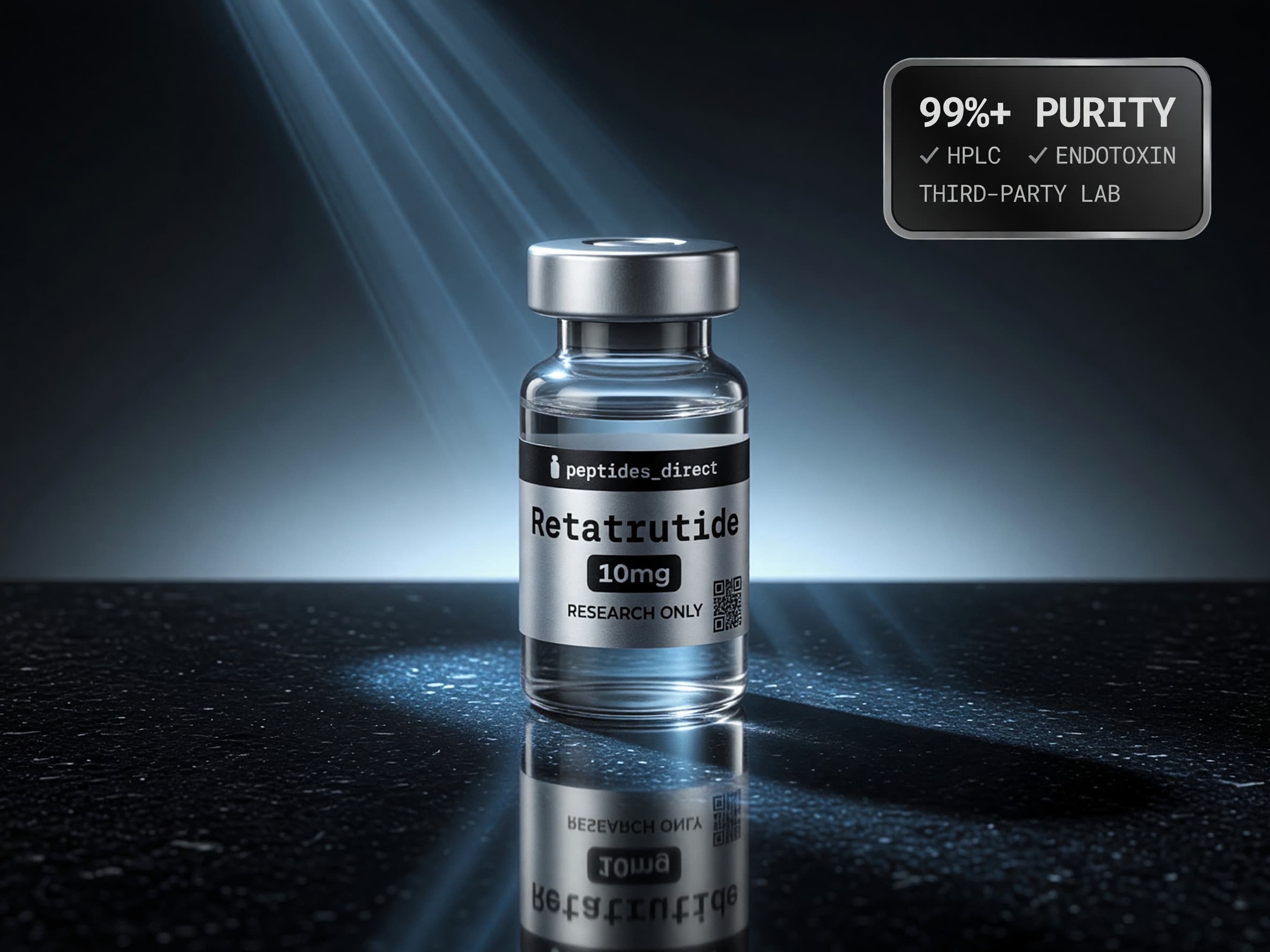
Retatrutide
€126.99
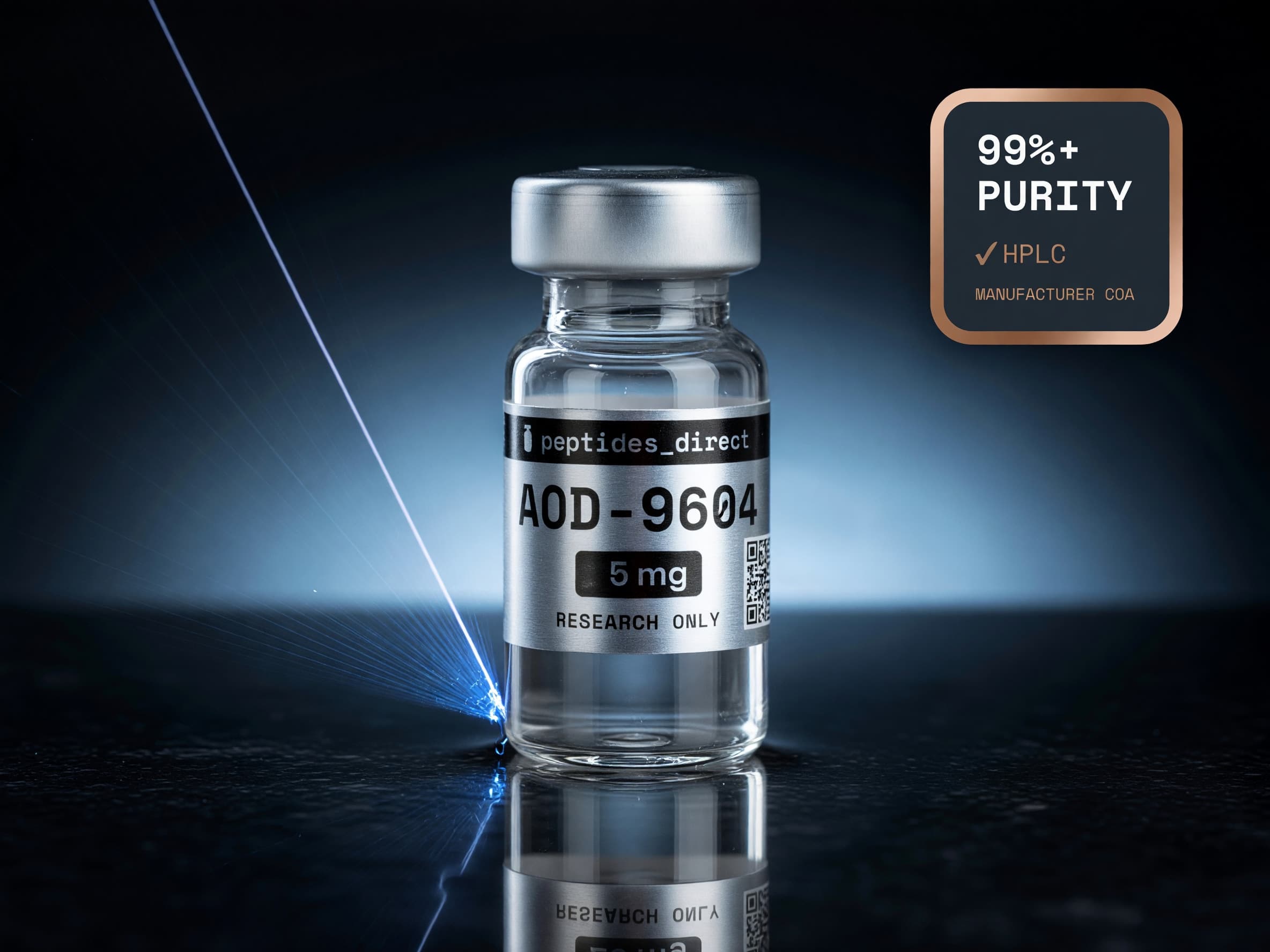
AOD-9604
€36.99
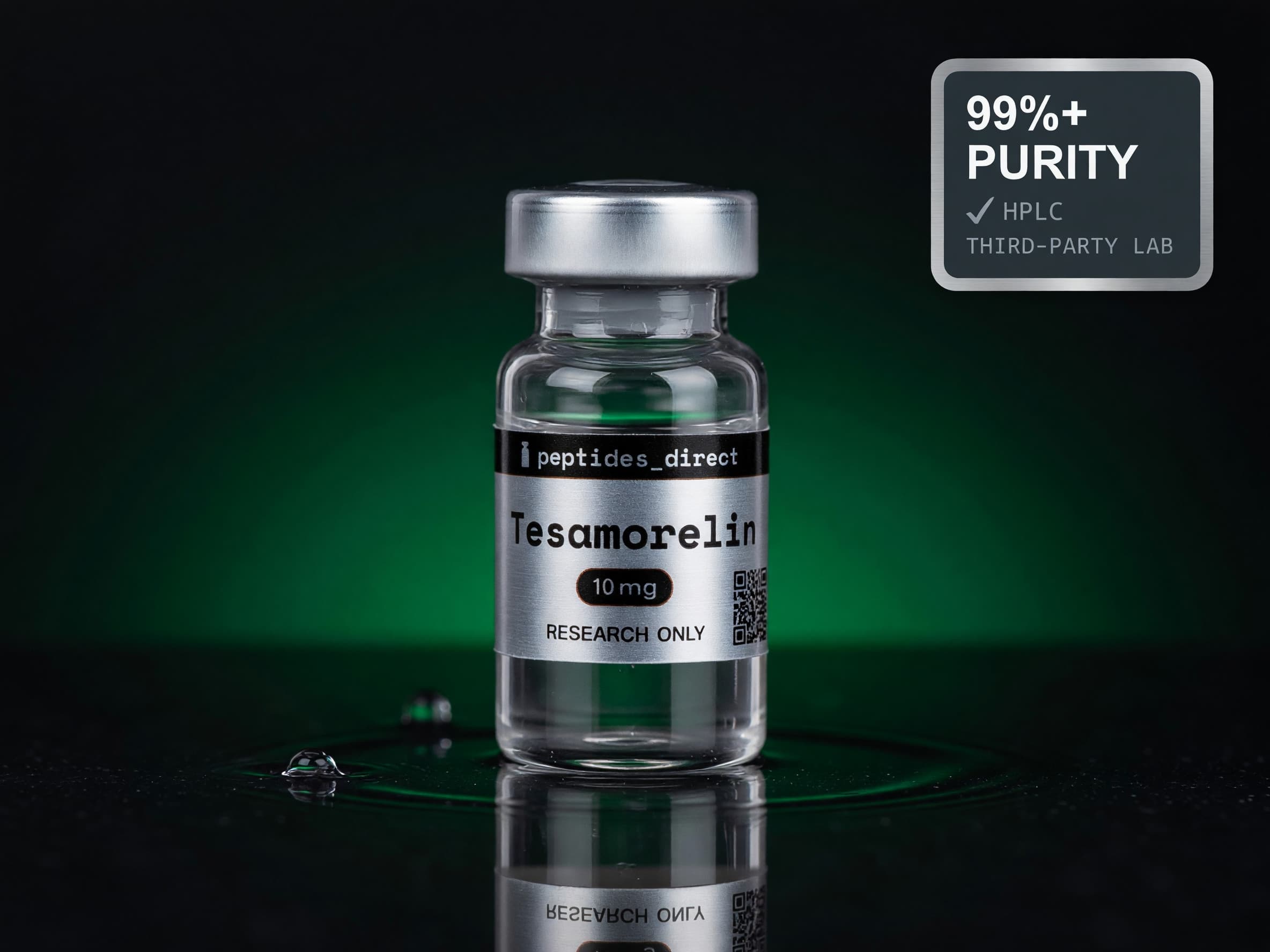
Tesamorelin
€64.99
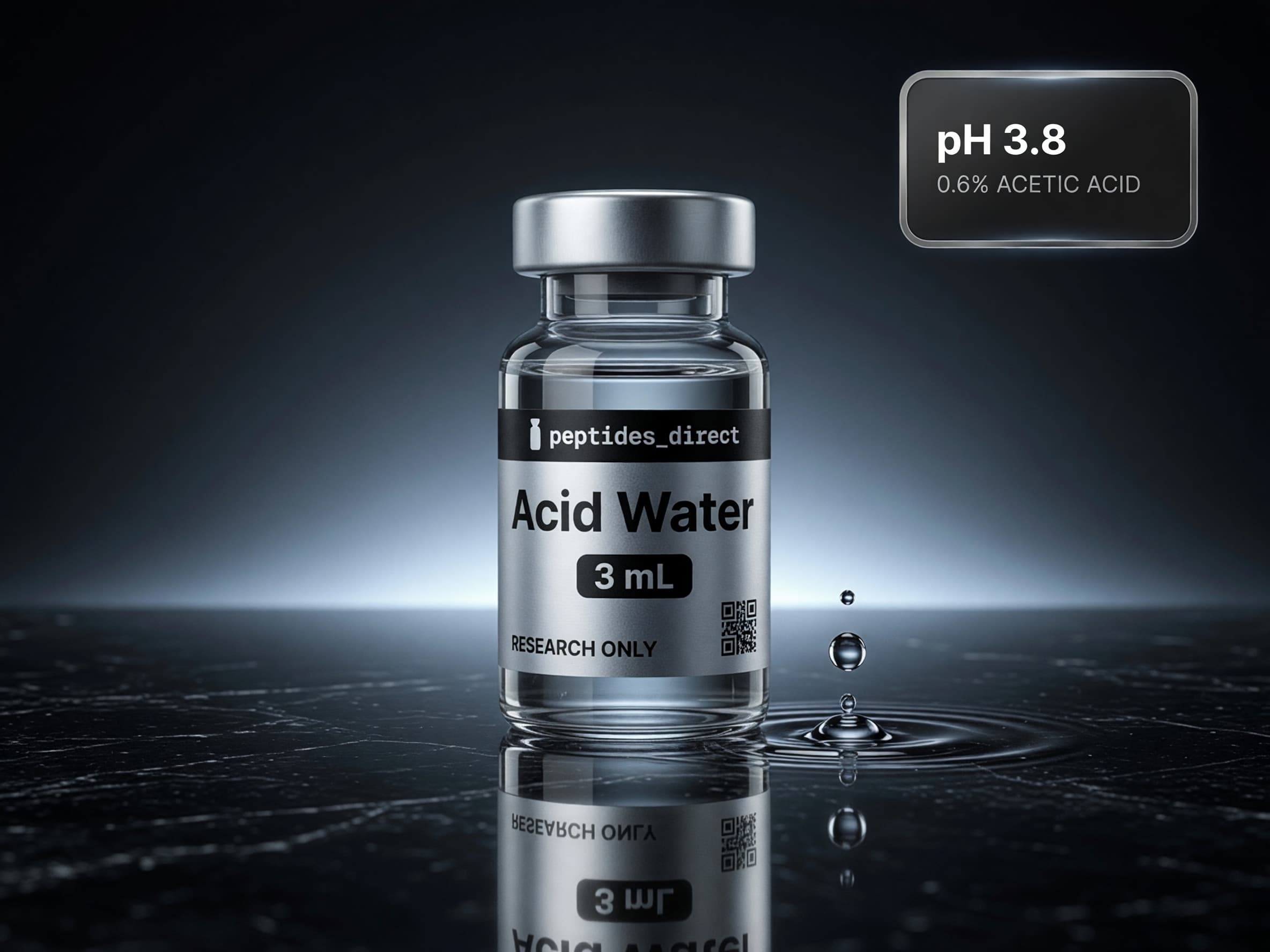
Acetic Acid Water
€4.99
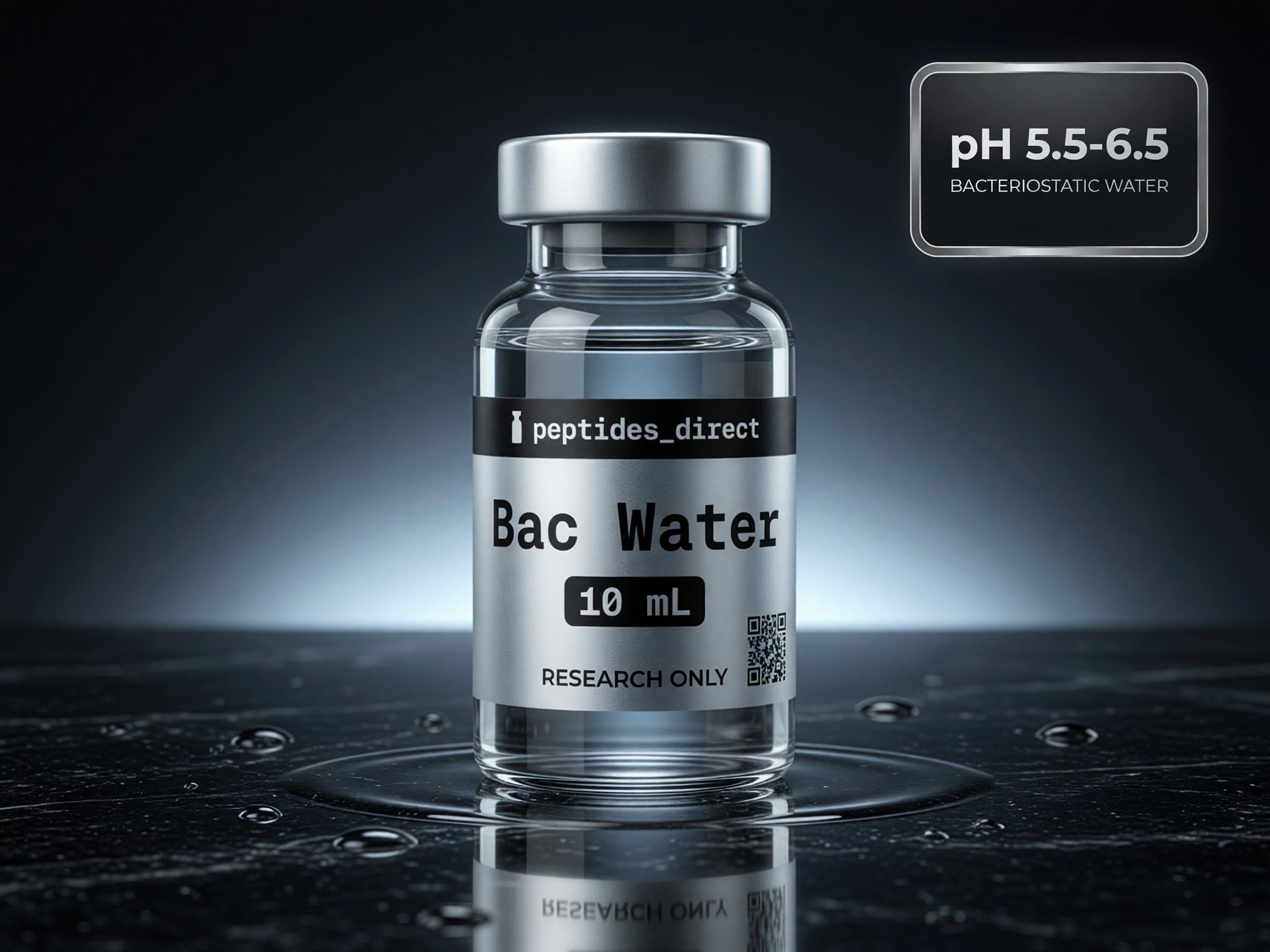
Bacteriostatic Water
€19.99
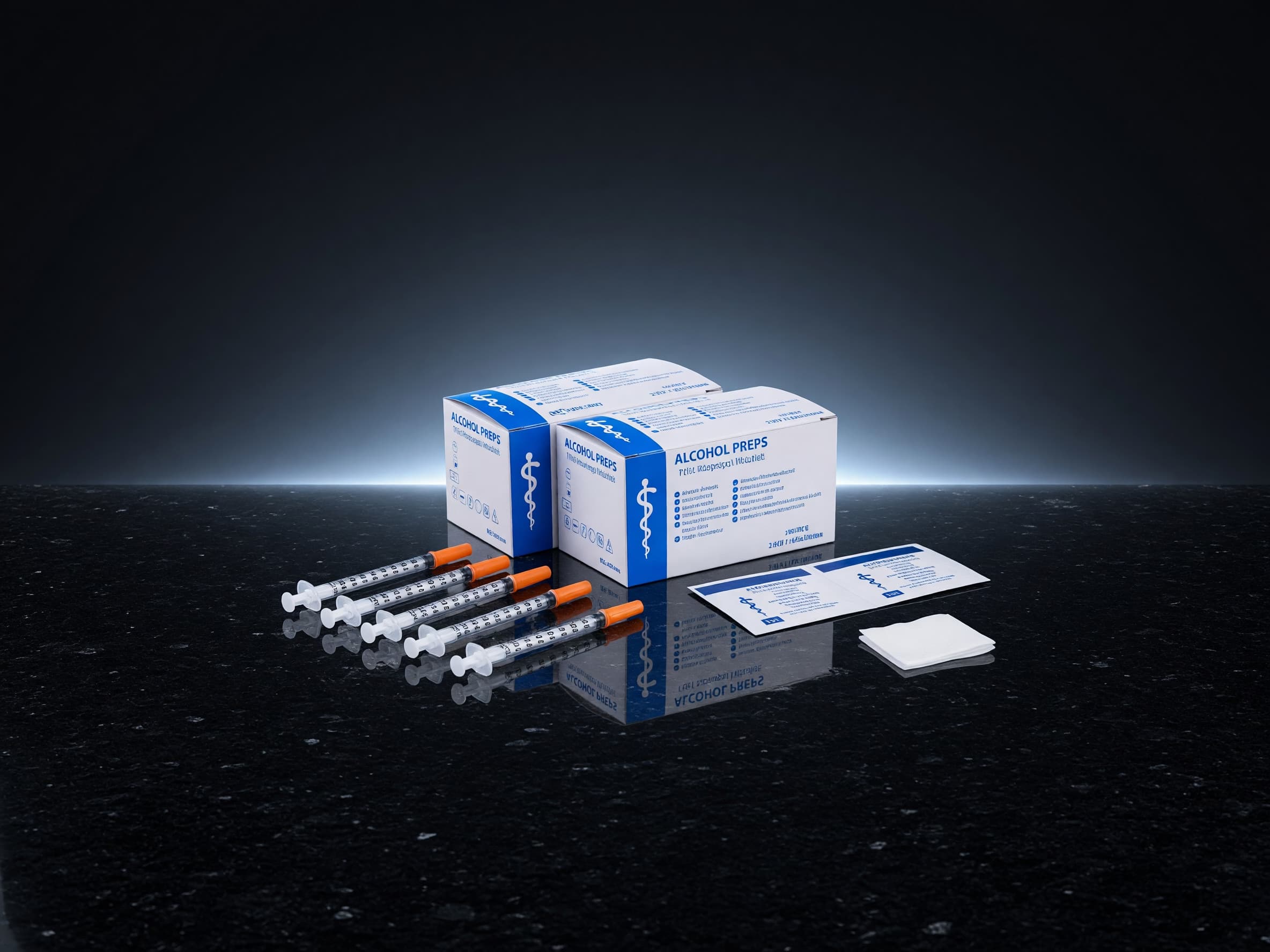
Lab Measuring Syringe + Prep Wipes Set (1 mL 31G)
€11.99
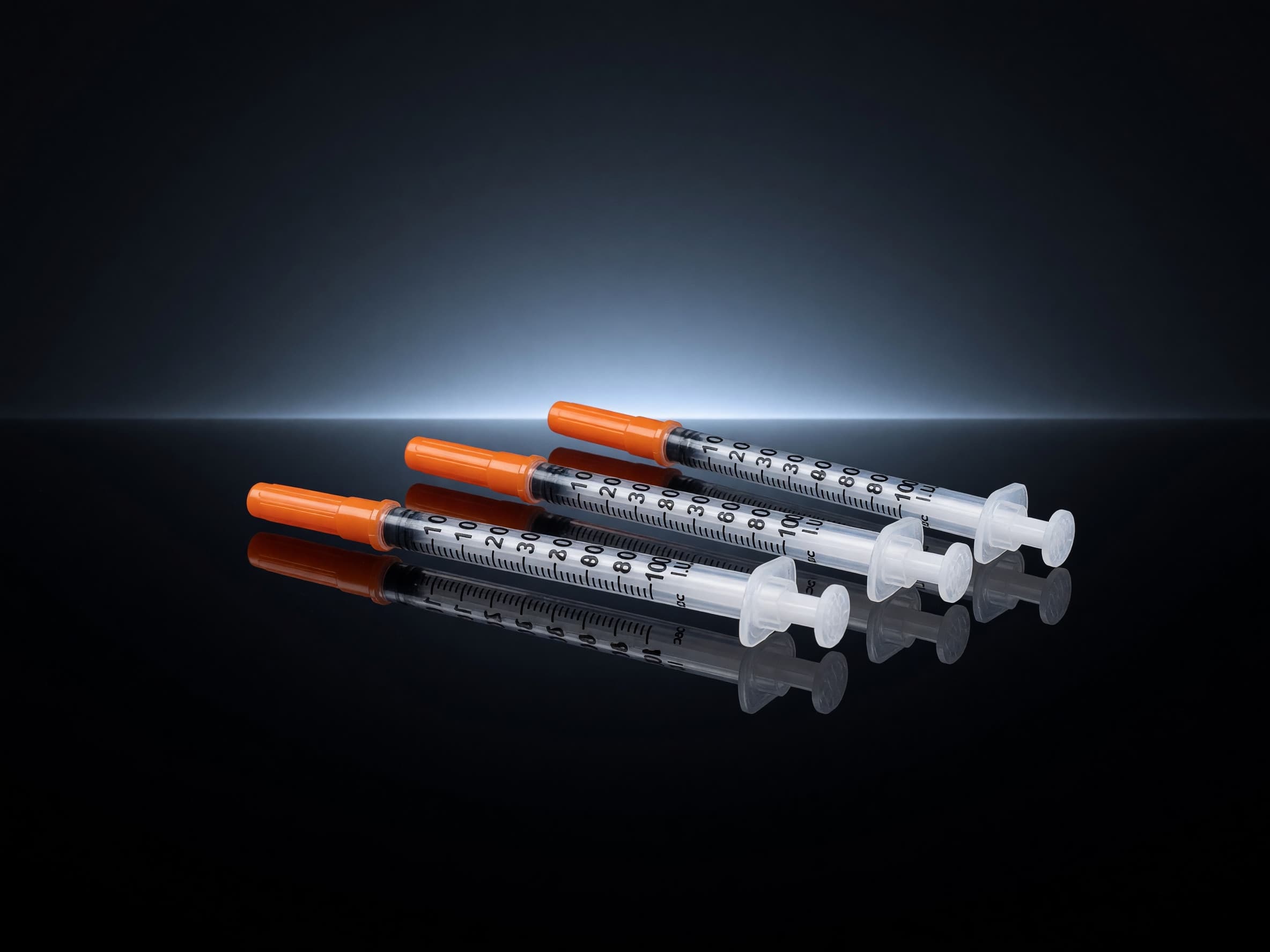
Graduated Measuring Syringe 1 mL 31G x 6 mm
€9.99
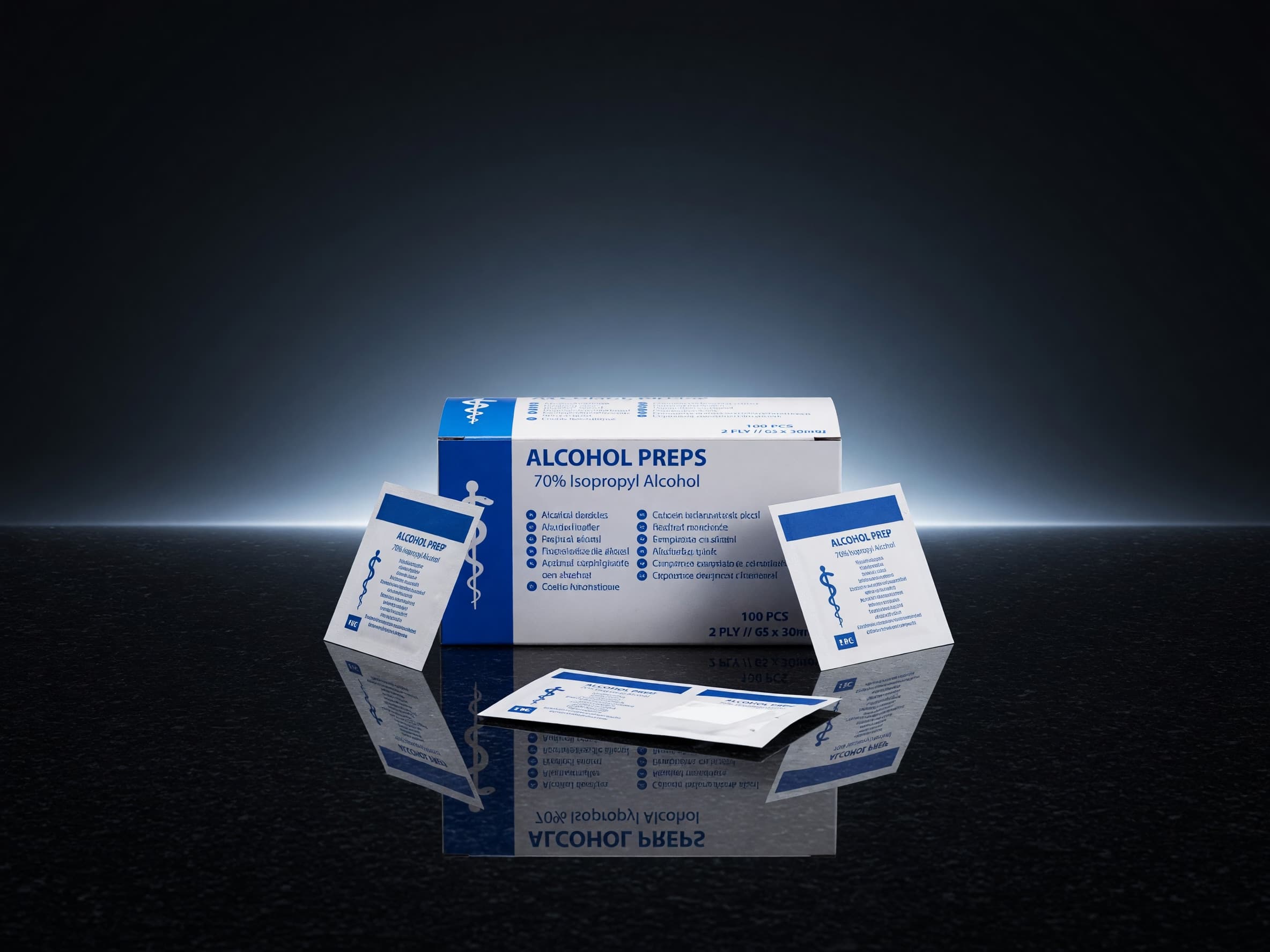
Alcohol Prep Pads 30 x 65 mm
€2.99
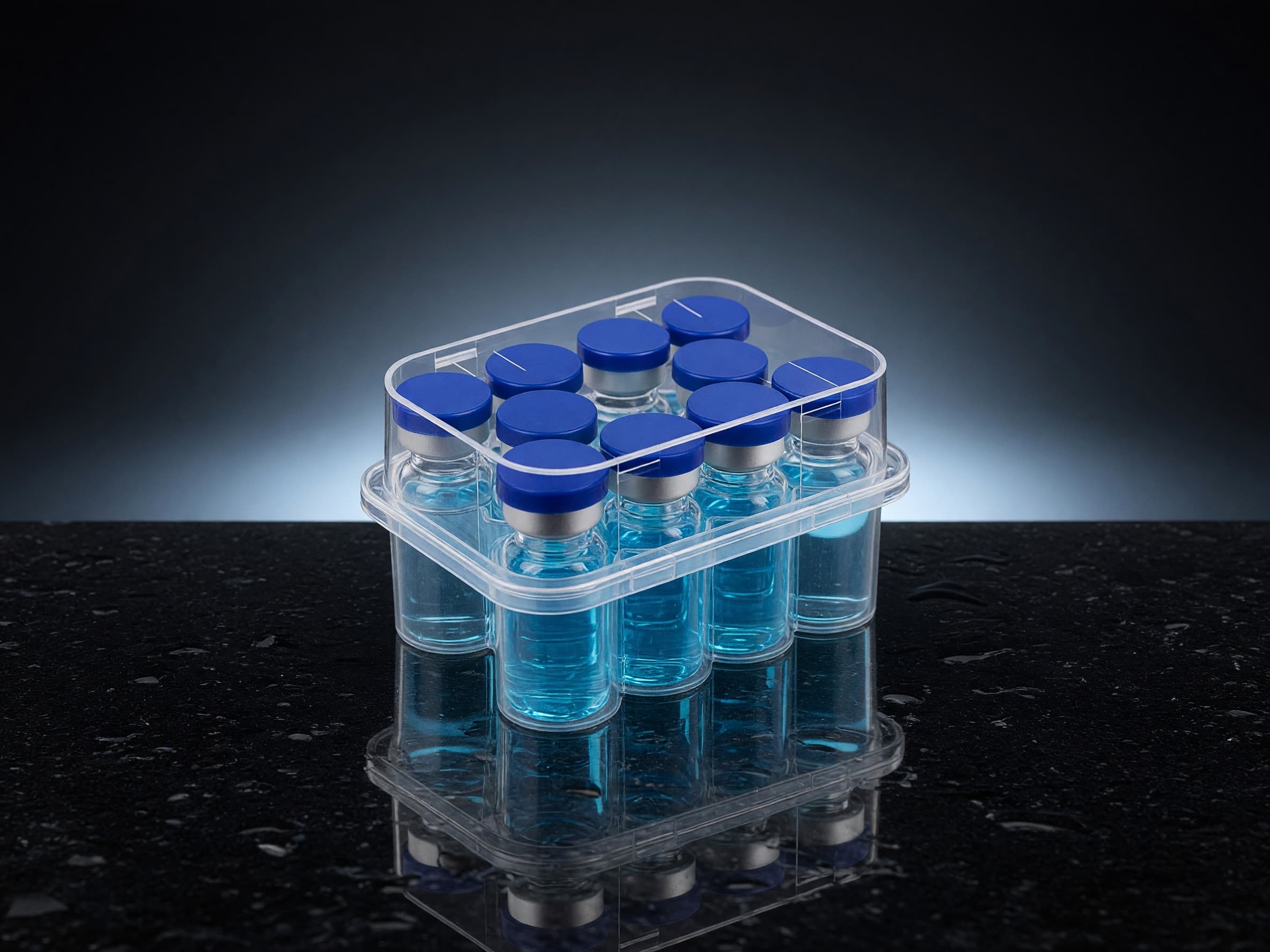
Peptide Storage Box (10 Compartments)
€4.99
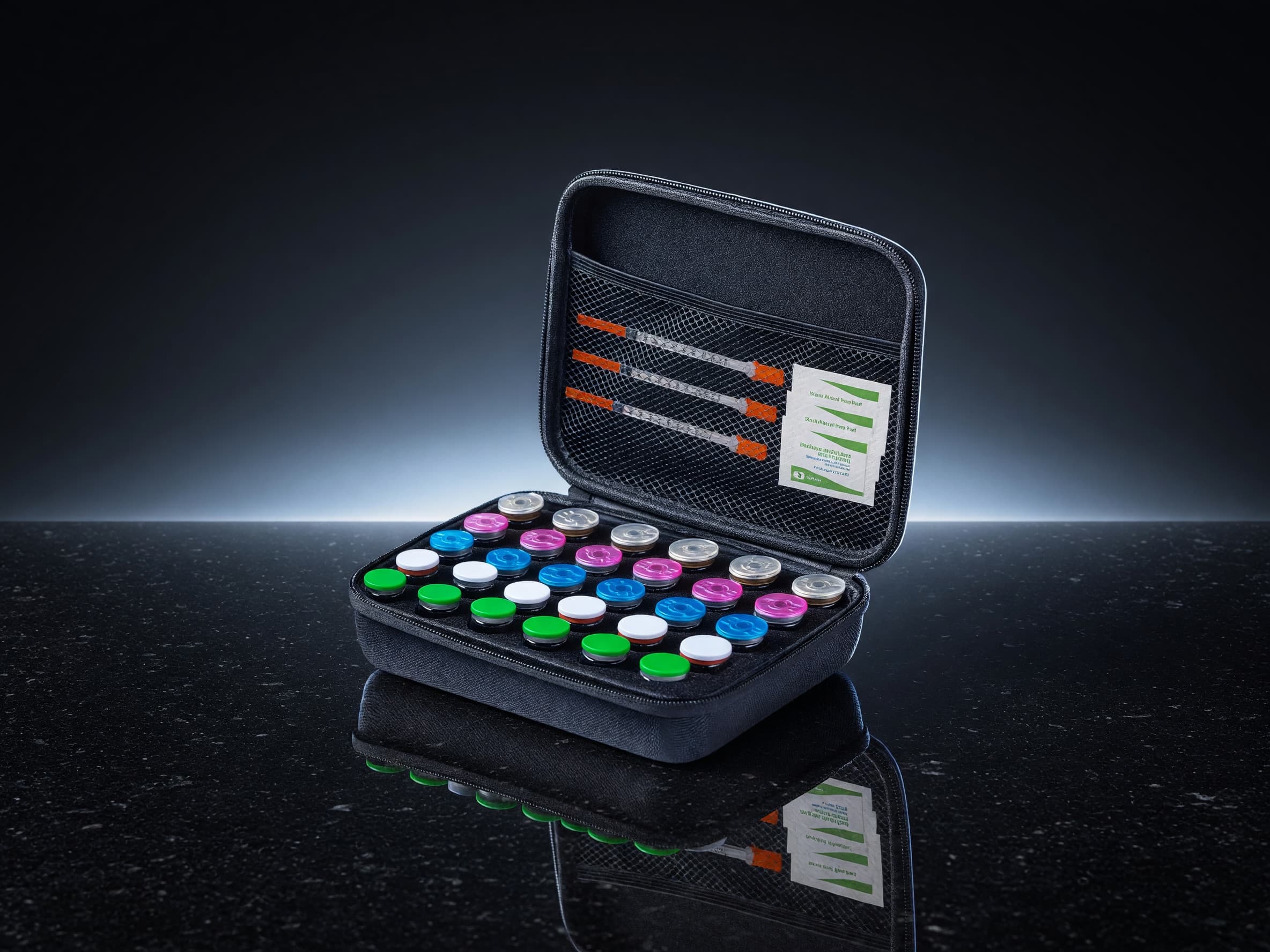
Peptide Vial Case 30 Slots
€29.99