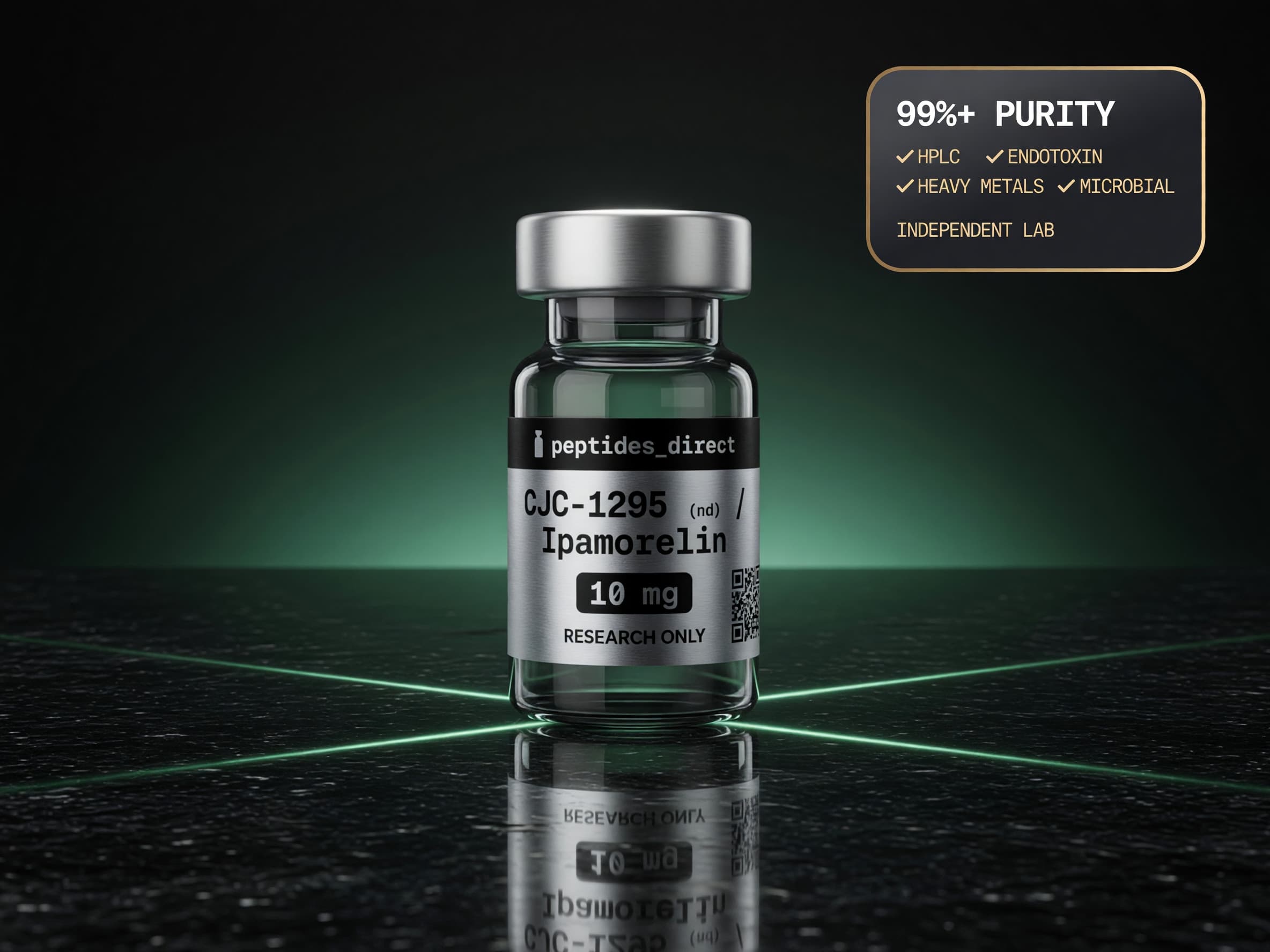
CJC-1295 (No-DAC)/Ipamorelin
2-in-1 growth hormone stack: CJC-1295 no-DAC (Modified GRF 1-29) + Ipamorelin, available as a 10 mg blend vial (5 mg + 5 mg co-lyophilized) or as the 20 mg option with two separately sealed single vials (10 mg + 10 mg). The CJC-1295 component is the short-acting no-DAC variant (about 30 minute half-life), not the long-acting DAC form. Stimulates natural GH release through two different pathways for amplified, more physiological growth hormone pulses.
99.96%Third-party lab: Freedom DiagnosticsView COA5.02 reviews€58.99
€68.99
−14%(€10.00)savedFor Research Use Only
This product is sold strictly for in-vitro research and laboratory use. Not intended for human consumption or any in-vivo application.
Payment Methods
Two pathways, one pulse
The mix combines a stabilised GHRH 1-29 analog with a ghrelin-receptor agonist, the two natural triggers for growth-hormone release in the pituitary.
Stabilised GHRH 1-29
CJC-1295 no-DAC (also called Mod GRF 1-29) is GHRH 1-29 with four amino-acid substitutions that resist breakdown by dipeptidyl peptidase IV, the enzyme that clears native GHRH within minutes.
Selective ghrelin side
Ipamorelin activates the GHS-R1a (ghrelin) receptor and triggers a clean GH pulse without raising cortisol, prolactin, ACTH, or other pituitary hormones in published studies.
Synergistic GH release
GHRH analogs and ghrelin mimetics work through different receptors and amplify each other when combined, a synergy documented for the GH axis in human and cell-based studies.
Pulsatile, physiological signal
The no-DAC variant has a half-life of around thirty minutes, which preserves the natural pulsatile pattern of GH release rather than producing a sustained signal.
Most studied secretagogue stack
The CJC-1295 no-DAC + Ipamorelin pair is the most cited research blend for the GH axis, since the two halves cover both regulatory inputs the pituitary listens to.
Research areas
What is CJC-1295 + Ipamorelin Mix
CJC-1295 + Ipamorelin is a research blend of two peptides that act on the growth-hormone (GH) axis through different doors. Important note on naming: the CJC-1295 component supplied here is the no-DAC variant (Modified GRF 1-29) with a half-life of about thirty minutes, not the long-acting DAC-conjugated form (~6 to 8 day half-life) that some researchers expect when they say "CJC-1295". The CJC-1295 component in this blend is the no-DAC variant, also known as Mod GRF 1-29 or tetrasubstituted GRF 1-29. It is the first 29 amino acids of growth-hormone-releasing hormone (GHRH) with four substitutions that protect the molecule from rapid enzymatic breakdown. Ipamorelin is a small synthetic peptide that mimics ghrelin at the GHS-R1a receptor. Both peptides cause the pituitary to release GH, but they bind different receptors, which is why the pair is the most studied stack in published GH-secretagogue work.
We supply this pair in two formats. The 10 mg option is a pre-blended lyophilized (freeze-dried) powder with both peptides co-lyophilized in one vial (about 5 mg + 5 mg). The 20 mg (2 vials) option contains the same pair as two separately sealed single-peptide vials, 10 mg CJC-1295 no-DAC and 10 mg Ipamorelin: nothing is pre-mixed, each peptide stays in its own labelled vial and can be reconstituted separately or combined in whatever ratio a protocol calls for. In both formats the CJC-1295 component is the no-DAC variant, not the long-acting albumin-binding version. The two are very different research tools and should not be confused.
How it works
The pituitary gland releases growth hormone in pulses. Two natural signals drive those pulses: GHRH from the hypothalamus, which says "make and release GH," and ghrelin from the stomach, which says "release it now." Each of the two peptides in this blend copies one of those signals.
CJC-1295 no-DAC is a stabilised GHRH 1-29 analog. Native GHRH is cleared within a few minutes by the enzyme dipeptidyl peptidase IV. The four amino-acid substitutions in this molecule slow that cleavage, extending the active window to roughly thirty minutes. That is long enough to drive a meaningful GH pulse, but short enough to leave the natural pulsatile rhythm intact. This is the key contrast with the DAC variant, which sticks to albumin for several days and produces a sustained signal of a different shape entirely.
Ipamorelin is the ghrelin-side trigger. It binds the growth-hormone-secretagogue receptor (GHS-R1a) and is the first compound in its class shown to release GH selectively, without the cortisol, prolactin, or ACTH spikes that older secretagogues produced in the same animal models. That selectivity is the reason ipamorelin is the most cited "clean" ghrelin mimetic in GH-axis research.
When the two are combined, the pituitary receives a GHRH pulse from one peptide and a ghrelin pulse from the other. The two pathways are independent and complementary. Cell-based and human research has shown that co-activation of the GHRH receptor and the GHS receptor produces a larger GH response than either signal alone, and the response stays pulsatile rather than flat.
Often studied alongside
The CJC-1295 no-DAC + Ipamorelin blend sits inside a larger family of GH-axis research peptides. Sermorelin is the unmodified GHRH 1-29 parent of the no-DAC variant, with the same receptor binding but a much shorter window before enzymatic cleavage. Tesamorelin is a different stabilised GHRH analog studied in clinical trials for visceral fat. Recombinant human growth hormone (HGH) is the downstream reference molecule that all of these secretagogues are benchmarked against.
The ghrelin-receptor half of the blend, sold standalone
Highly selective growth hormone releaser that triggers natural GH pulses without raising cortisol or prolactin. Clean GH stimulation with minimal side effects - the most targeted growth hormone peptide available.
Unmodified GHRH 1-29, the parent molecule of the no-DAC variant
GHRH(1-29) analog for physiological growth hormone stimulation research
GHRH analog studied for visceral fat in clinical trials
Modified GHRH analog for lipodystrophy and metabolic liver research
Recombinant growth hormone, the downstream reference molecule
For reconstitution, the standard solvent in published protocols is bacteriostatic or sterile water. The pre-blended powder dissolves into a clear solution.
Standard solvent for reconstitution
USP-grade sterile water with 0.9% benzyl alcohol (near-neutral, pH 6.2 to 6.4) - the standard solvent for reconstituting lyophilized peptides. Essential accessory for any peptide research. Each vial is sealed and ready to use.
Documentation
Material specification
Composition
Purity
Test method
Form
Storage (sealed)
Storage (reconstituted)
CoA
Selected research
- PMID 15817669
Jetté et al. hGRF(1-29) bioconjugates activate the GRF receptor on the anterior pituitary in rats
Endocrinology, 2005, GRF receptor activation by stabilised GHRH 1-29 analogs - PMID 9141536
Khorram et al. Endocrine and metabolic effects of long-term [Nle27]GHRH-(1-29)-NH2 in age-advanced men and women
J Clin Endocrinol Metab, 1997, stabilised GHRH 1-29 analog activates the somatotropic axis - PMID 18031173
Prakash, Goa. Sermorelin: a review of its use in the diagnosis and treatment of growth hormone deficiency
BioDrugs, 1999, parent GHRH 1-29 pharmacology and clinical context - PMID 9849822
Raun et al. Ipamorelin, the first selective growth hormone secretagogue
Eur J Endocrinol, 1998, original characterization of ipamorelin and GH selectivity - PMID 11549707
Hataya et al. A low dose of ghrelin stimulates GH release synergistically with GHRH in humans
J Clin Endocrinol Metab, 2001, synergy between ghrelin-receptor and GHRH-receptor signals in vivo - PMID 12446584
Cunha, Mayo. Ghrelin and GH secretagogues potentiate GHRH-induced cAMP production in cells expressing both receptors
Endocrinology, 2002, mechanism of dual-receptor synergy at the somatotrope - PMID 19289567
Venkova et al. Efficacy of ipamorelin, a novel ghrelin mimetic, in a rodent model of postoperative ileus
J Pharmacol Exp Ther, 2009, ghrelin-receptor agonism in vivo - PMID 25331030
Beck et al. Ipamorelin for postoperative ileus: randomized proof-of-concept study
Int J Colorectal Dis, 2014, controlled human study of the ghrelin mimetic
Reconstitution tips
For a clear, stable solution, reconstitute gently:
- Let the vial and the bacteriostatic water reach room temperature (10 to 15 minutes) before mixing.
- Add the water slowly, letting it run down the inside wall of the vial, not directly onto the powder.
- Swirl or roll gently, never shake.
- Wait 5 to 10 minutes; it should turn clear.
Research use only
This material is sold strictly for in-vitro research and laboratory use. Not intended for human or animal consumption, medical, cosmetic, or household applications. Suitable only for professional laboratory environments.
Reconstitution: sensitive peptide
Some peptides react sensitively to the pH and quality of the reconstitution water and can turn cloudy or not fully dissolve if reconstituted incorrectly (for example with tap water, non-sterile water, old or contaminated bacteriostatic water, or the wrong water-to-peptide ratio). This is a common reconstitution matter, not an automatic sign of a faulty vial. Always reconstitute with fresh, pharmaceutical-grade diluent as prescribed by the product-specific protocol on this page (bacteriostatic or sterile water, or dilute acetic-acid water first where the page says so), add it slowly down the inner wall of the vial, and swirl gently instead of shaking. If it still looks cloudy right after mixing, let it rest for 10 to 15 minutes and swirl again before judging clarity. Correct technique and suitable water are the customer's responsibility, and so is following the product-specific instructions on this page. Where a peptide needs an acid-first protocol (it says so above, for example for AOD-9604 and Tesamorelin), reconstituting it in plain bacteriostatic water instead is a handling error, not a defect, and is not covered. If a vial stays cloudy after these steps, contact us with clear photos. We replace it free of charge once if you reconstituted with water from our own range or with factory-sealed water from a pharmaceutical manufacturer and followed the instructions on this page; with water of unknown origin the cause cannot be narrowed down and the case is not covered.
Best reconstituted in near-neutral bacteriostatic water (around pH 5.7, the USP water value). We recommend checking your water's pH with a cheap meter first: each peptide has its own ideal range, and matching the water is your responsibility.
This peptide normally dissolves directly in bacteriostatic water: use a generous volume (2 ml or more), add it slowly down the inner wall, swirl gently and let it rest for 10 to 15 minutes. Some people pre-dissolve the powder in 0.1 to 0.2 ml of dilute acetic-acid water first; for this product we have no evidence that this changes anything, and it is not required. Full steps are in the FAQ below.
Reconstitution itself, including the choice of diluent, volumes and technique, is part of the research work and lies with the customer; how a mix behaves once liquid meets powder is outside our control. Your statutory rights regarding genuine product defects remain unaffected.
Why peptides turn cloudy: the reconstitution guideStorage and stability
- Dry, lyophilized vials keep for months refrigerated, or up to 24 months frozen at -20°C.
- After reconstitution in bacteriostatic water, use within about 30 days at 2 to 8°C, and avoid repeated freeze-thaw.
Reviews
AnonymousA coupon from our review program was granted for this review. 🇩🇪 · August 24, 2026
AnonymousA coupon from our review program was granted for this review. 🇩🇪 · August 14, 2026
* Reviewer received a 5% thank-you coupon from our review program, independent of the rating.
Only customers who ordered the product from us can leave a review; we verify this automatically against the order number. Every review submitted is published, regardless of star rating. Rewarded reviews from our coupon program are individually labelled.
Frequently Asked Questions
Frequently bought together
Complete your subcutaneous research workflow
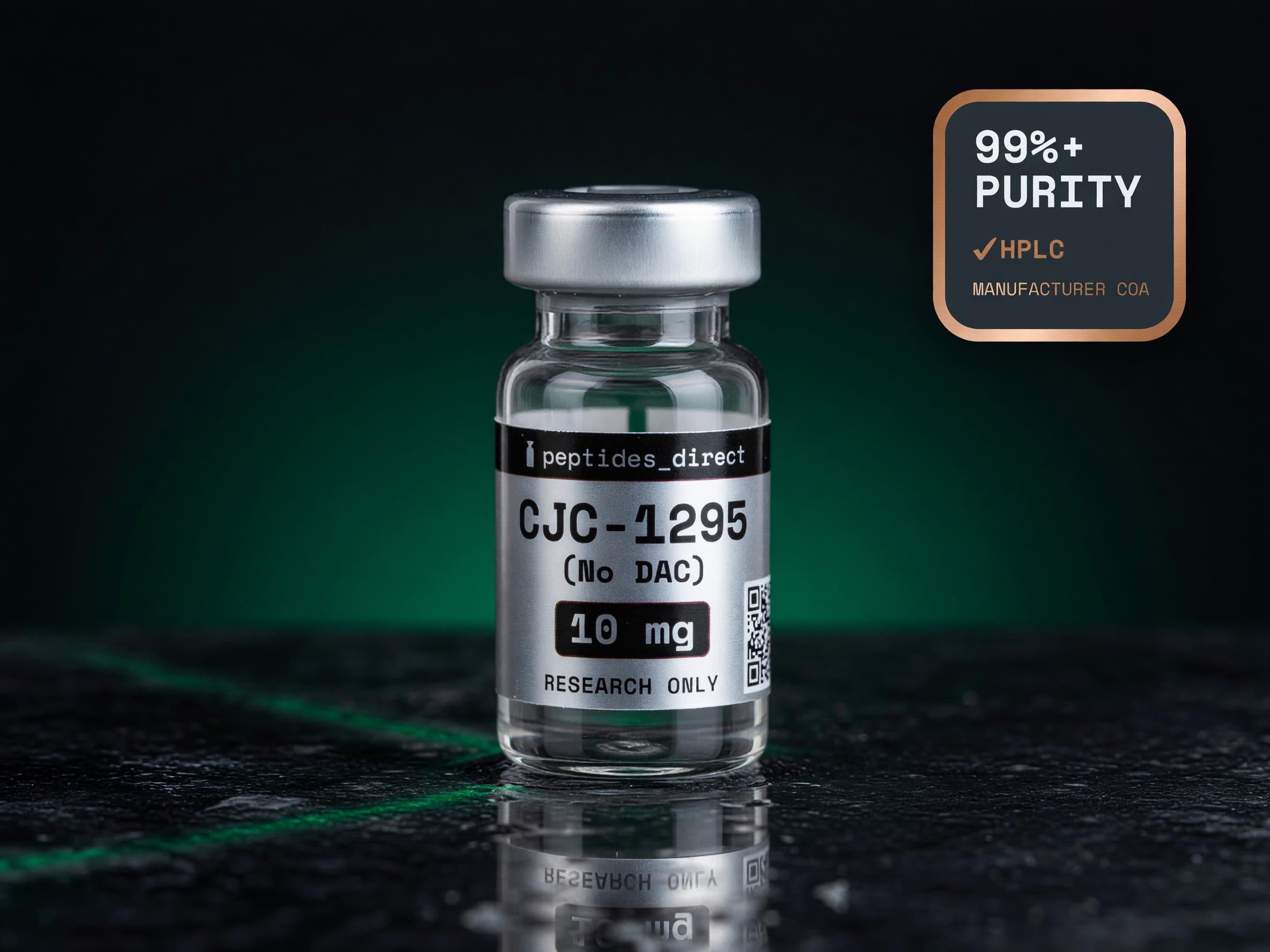
CJC-1295 (No DAC)
€64.99
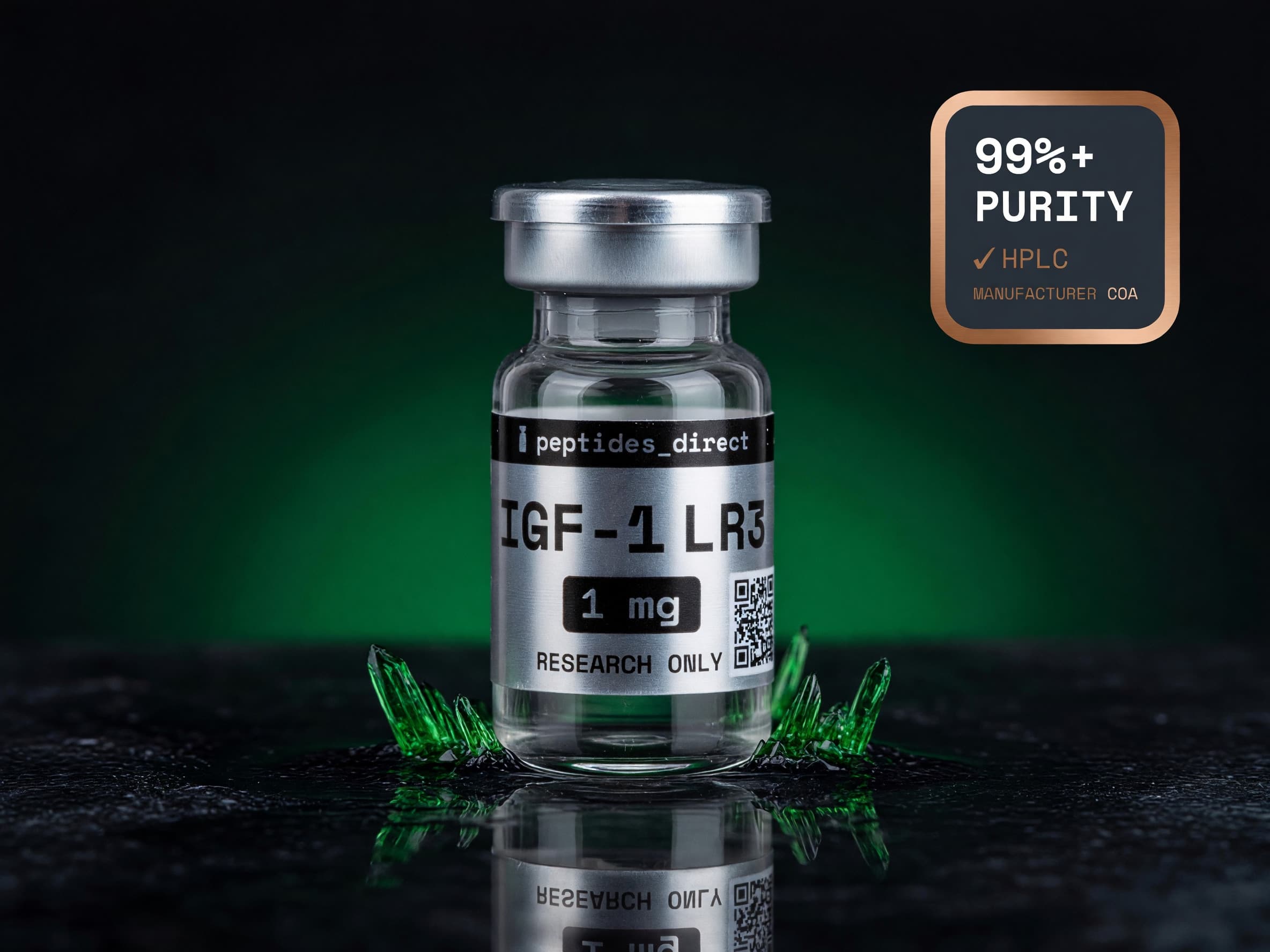
IGF-1 LR3
€74.99
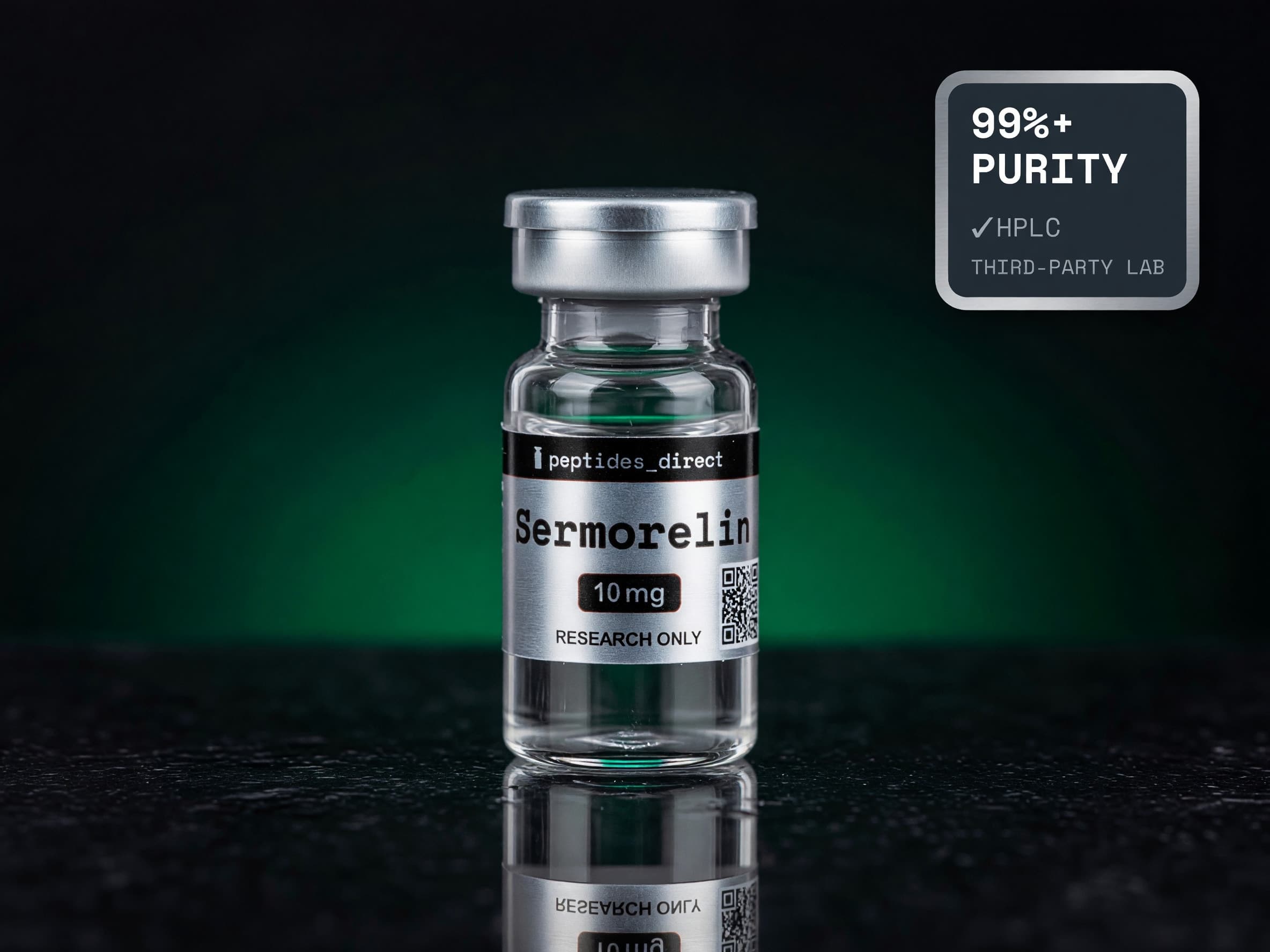
Sermorelin
€59.99
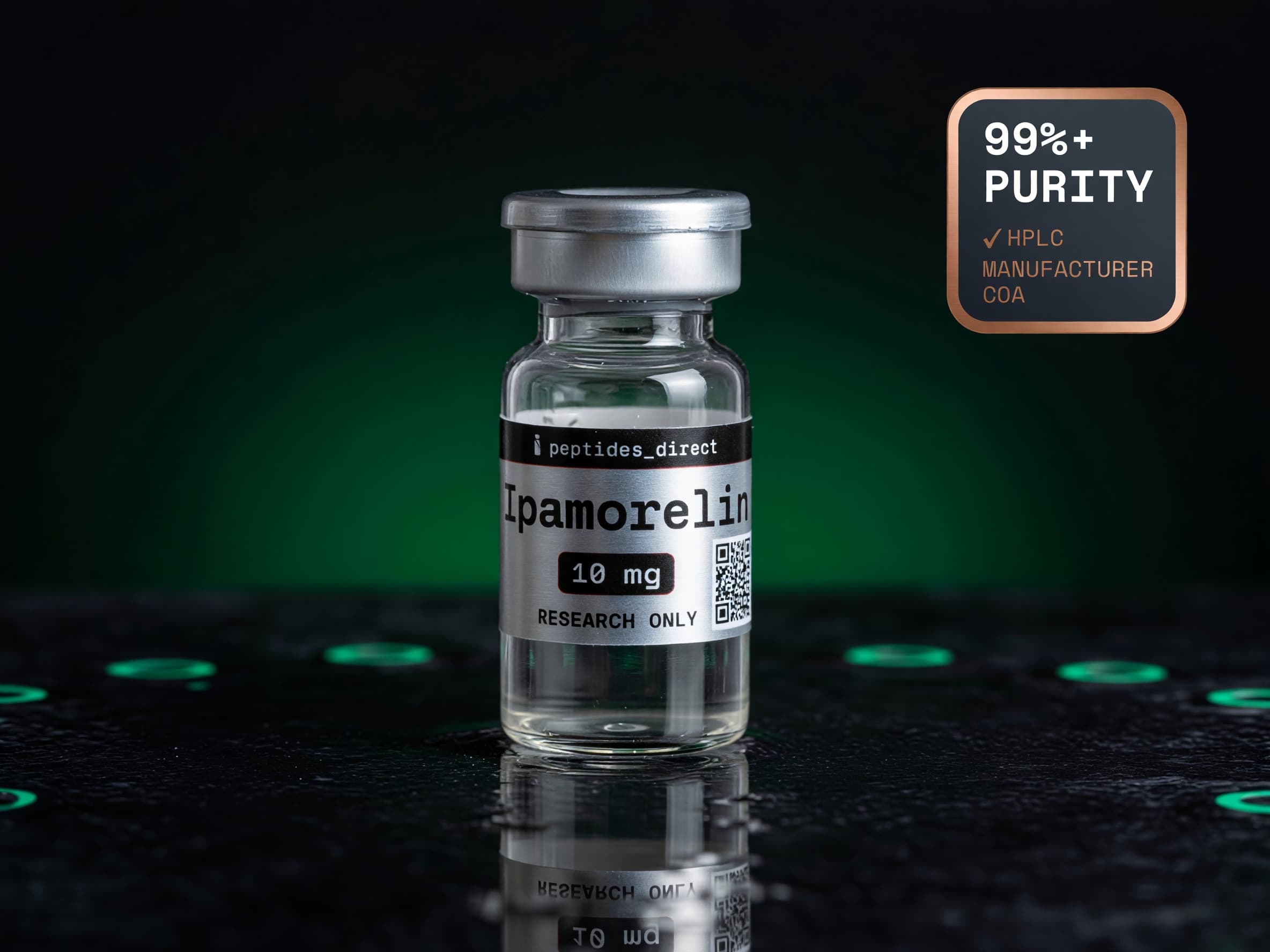
Ipamorelin
€41.99
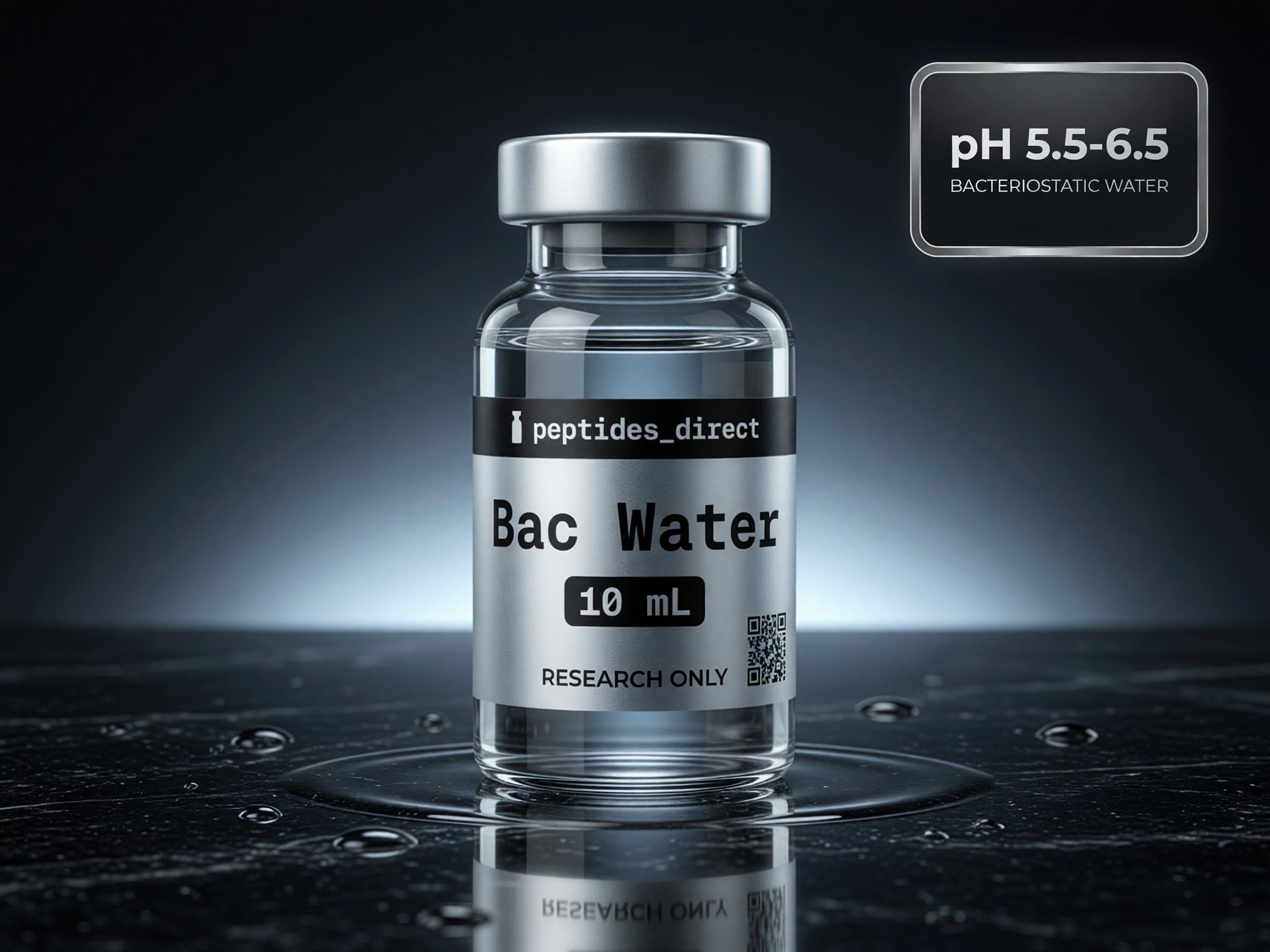
Bacteriostatic Water
€19.99
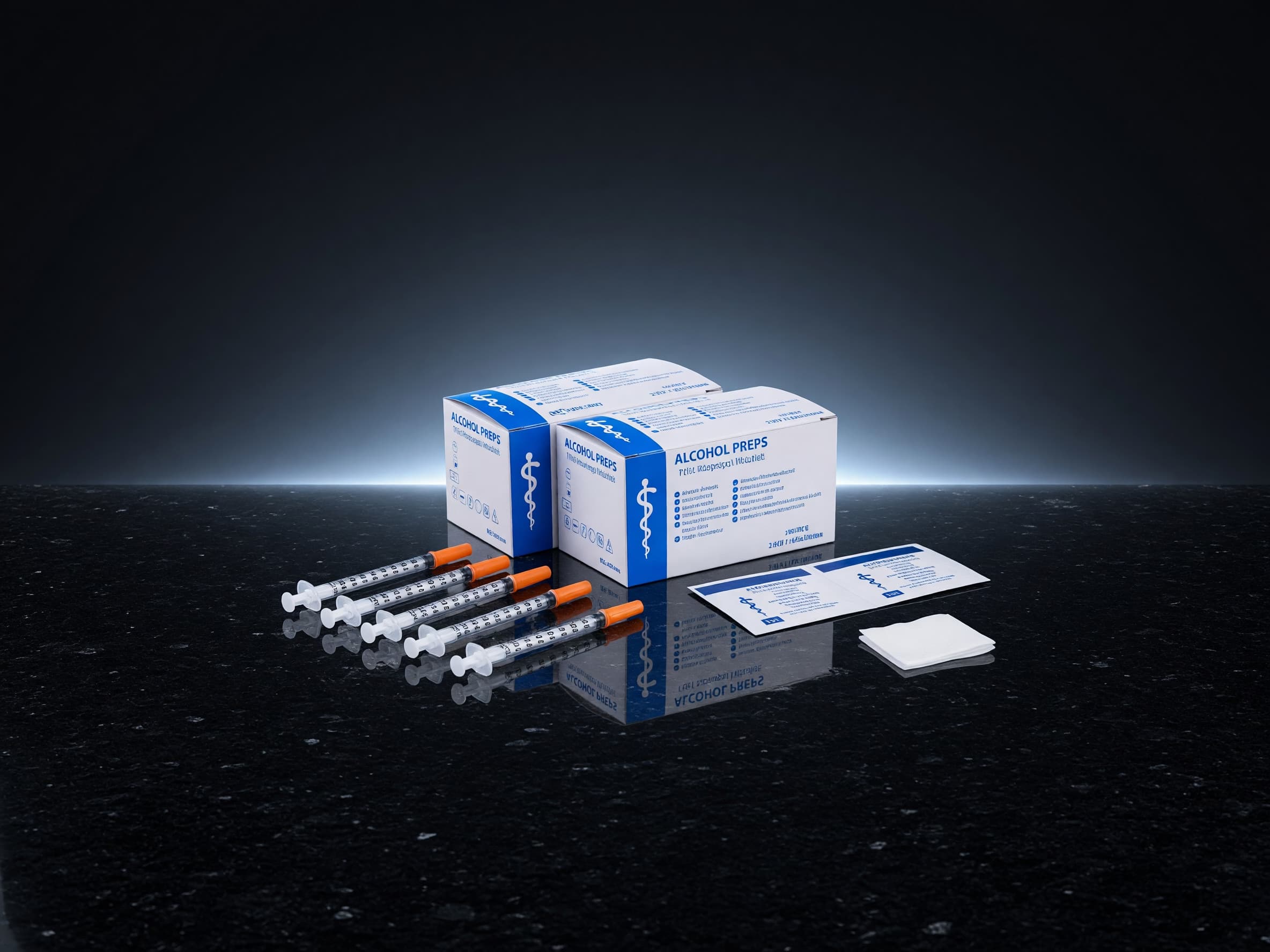
Lab Measuring Syringe + Prep Wipes Set (1 mL 31G)
€11.99
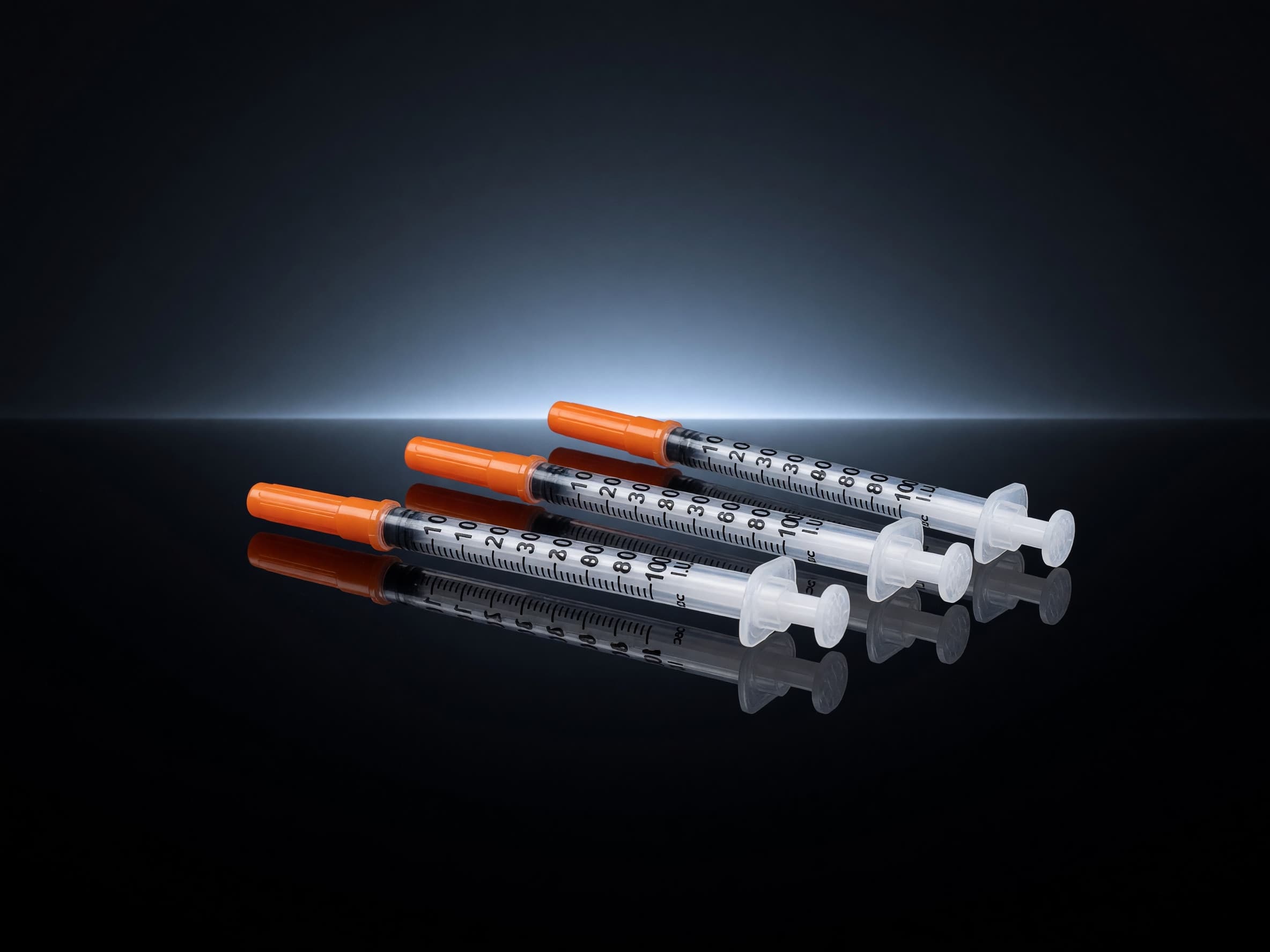
Graduated Measuring Syringe 1 mL 31G x 6 mm
€9.99
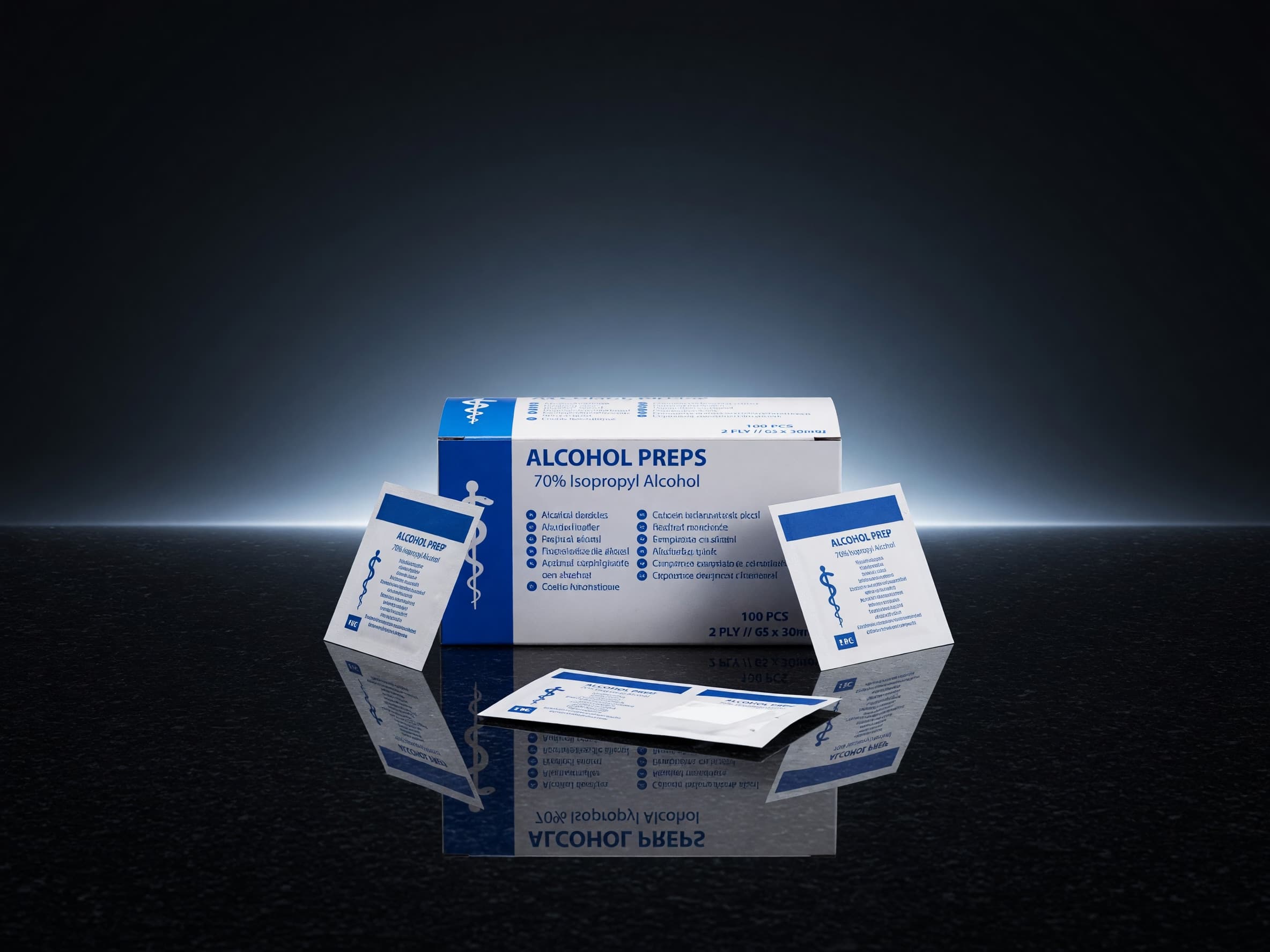
Alcohol Prep Pads 30 x 65 mm
€2.99
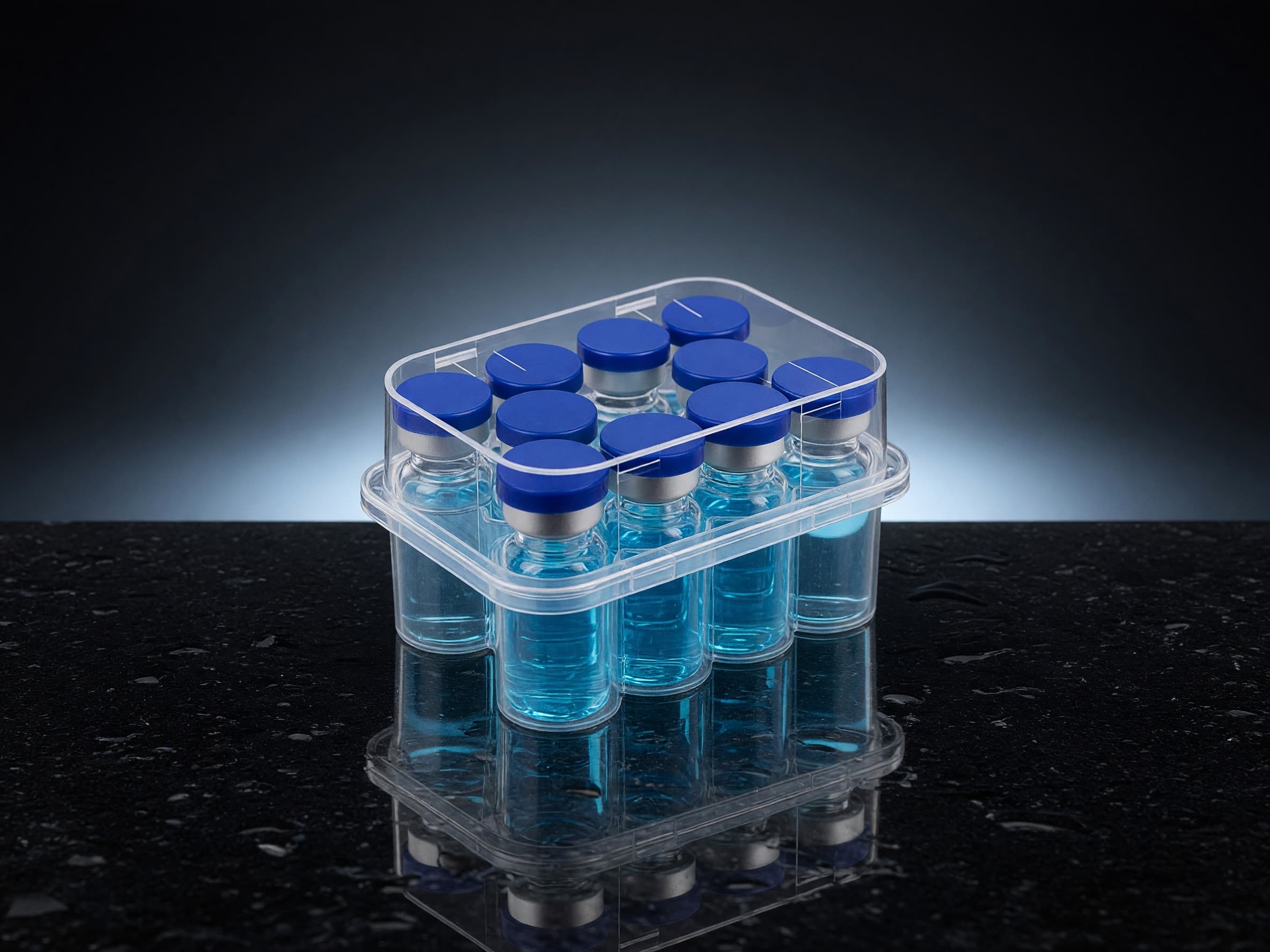
Peptide Storage Box (10 Compartments)
€4.99
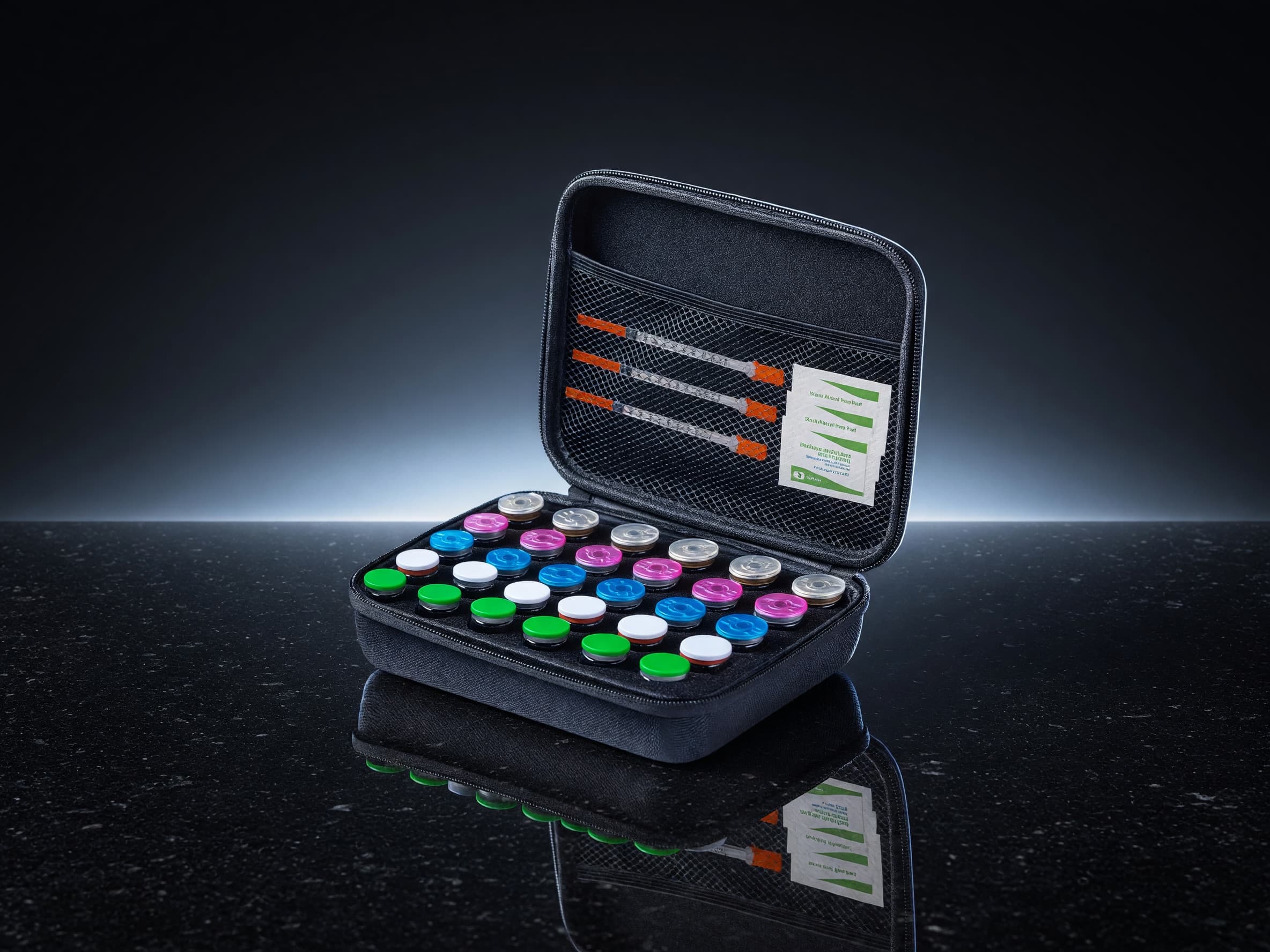
Peptide Vial Case 30 Slots
€29.99