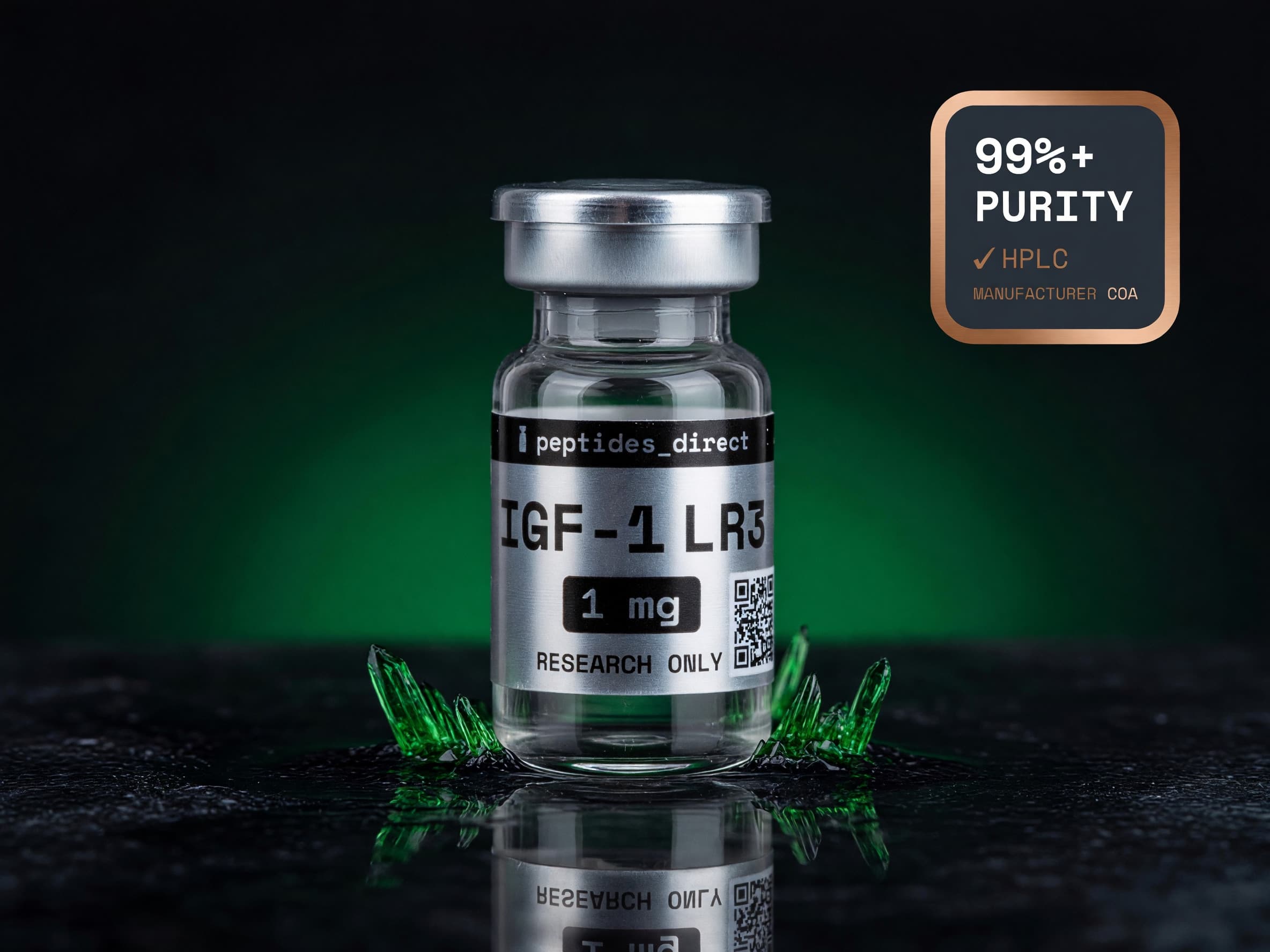
IGF-1 LR3
Long R3 variant of Insulin-like Growth Factor 1, modified for reduced IGFBP binding and ~20-30 hour half-life. Researched for cell proliferation, hypertrophy, and metabolic signaling. ≥99% purity.
99.50%Third-party lab: JanoshikView COA€74.99
€88.99
−16%(€14.00)savedFor Research Use Only
This product is sold strictly for in-vitro research and laboratory use. Not intended for human consumption or any in-vivo application.
Payment Methods
Modified IGF-1 analog
A synthetic version of IGF-1 with an arginine swap at position 3 and a 13 amino acid extension on the N-terminus, giving 83 amino acids in total versus 70 in the natural protein.
Reduced IGFBP binding
The structural changes lower its affinity for IGF binding proteins, the carriers that normally hold IGF-1 inactive in plasma. More of the molecule stays free and available to its receptor.
Extended circulating life
Because it slips past the binding-protein system, LR3 keeps its biological activity for far longer than native IGF-1 in research models, a property exploited in cell culture and animal studies.
mTOR and Akt pathway activation
Once bound to the IGF-1 receptor, the molecule fires the same PI3K, Akt, and mTOR cascades that drive protein synthesis and cell growth in muscle and other tissues.
Satellite cell signaling
Studied as a trigger for muscle satellite cells, the resident stem cells that fuse into existing fibres during repair and growth in skeletal muscle research.
Standard cell culture reagent
Long-R3 IGF-1 is widely used as a serum substitute in mammalian cell culture, where it supports proliferation of CHO, HEK, and primary cell lines at much lower concentrations than native IGF-1.
Research areas
What is IGF-1 LR3
IGF-1 LR3 is a laboratory-engineered version of insulin-like growth factor 1, the hormone that mediates most of the growth-promoting effects of growth hormone in the body. The natural protein is 70 amino acids long. LR3 carries two changes: an arginine in place of the glutamic acid at position 3, and a 13 amino acid extension added to the front of the chain. The result is an 83 amino acid analog with the same receptor-binding region as native IGF-1 but a very different behaviour in plasma.
We supply it in lyophilized (freeze-dried) form for research and cell culture use.
How it works
IGF-1 in the body is almost never free. More than 99 percent of it travels bound to a family of carrier proteins called IGFBPs, which control how much active hormone reaches tissues and when. The arginine substitution at position 3 cripples that interaction. With the binding proteins out of the way, LR3 reaches the IGF-1 receptor more easily and stays in circulation longer.
At the receptor, LR3 triggers the same signaling cascades as native IGF-1: PI3K and Akt activation, then mTOR, the master regulator of protein synthesis. In skeletal muscle research, this axis drives ribosome activity, fibre hypertrophy, and the activation of satellite cells that fuse into damaged fibres during repair. Studies in cardiomyocytes show the same PI3K and ERK pathways supporting cell proliferation. Because the molecule resists binding-protein sequestration, very low concentrations are enough to produce strong responses in cell culture, which is why it has become a standard reagent in mammalian cell production.
Often studied alongside
LR3 sits at the bottom of the growth hormone axis. Researchers exploring the full pathway often combine it with peptides that act further upstream: GHRH analogs that prompt the pituitary to release growth hormone, or ghrelin-mimetic GHRH-secretagogue combinations that amplify the pulse.
GHRH analog used to stimulate endogenous growth hormone
GHRH(1-29) analog for physiological growth hormone stimulation research
Selective ghrelin-receptor agonist for GH-pulse research
Highly selective growth hormone releaser that triggers natural GH pulses without raising cortisol or prolactin. Clean GH stimulation with minimal side effects - the most targeted growth hormone peptide available.
GHRH plus secretagogue combination, the most studied growth-axis stack
2-in-1 growth hormone stack: CJC-1295 no-DAC (Modified GRF 1-29) + Ipamorelin, available as a 10 mg blend vial (5 mg + 5 mg co-lyophilized) or as the 20 mg option with two separately sealed single vials (10 mg + 10 mg). The CJC-1295 component is the short-acting no-DAC variant (about 30 minute half-life), not the long-acting DAC form. Stimulates natural GH release through two different pathways for amplified, more physiological growth hormone pulses.
Recombinant human growth hormone, the upstream signal for IGF-1 production
For reconstitution, the standard solvent in published protocols is bacteriostatic or sterile water.
Standard solvent for reconstitution
USP-grade sterile water with 0.9% benzyl alcohol (near-neutral, pH 6.2 to 6.4) - the standard solvent for reconstituting lyophilized peptides. Essential accessory for any peptide research. Each vial is sealed and ready to use.
Documentation
Material specification
Purity
Test method
Form
Storage (sealed)
Storage (reconstituted)
CoA
Selected research
- PMID 8897852
Effects of chronic renal failure on plasma clearance of insulin-like growth factor I, des-(1-3)IGF-I, and LR3IGF-I
Am J Physiol, 1996, plasma clearance and reduced IGFBP binding of LR3 - PMID 11735239
Effect of IGFBP-3 on IGF- and IGF-analogue-induced insulin-like growth factor-I receptor (IGFIR) signalling
Growth Horm IGF Res, 2001, IGFBP-3 modulation of IGF-1 and analog receptor signaling - PMID 12947030
Extracellular signal-regulated kinase and phosphoinositol-3 kinase mediate IGF-1 induced proliferation of fetal sheep cardiomyocytes
Am J Physiol Regul Integr Comp Physiol, 2003, PI3K and ERK pathways in cardiac proliferation - PMID 18577570
Enhancement of maternal lactation performance during prolonged lactation in the mouse by mouse GH and long-R3-IGF-I
J Endocrinol, 2008, in-vivo Long-R3 IGF-1 effects on tissue signaling and gene expression - PMID 30647761
Nutmeg Extract Increases Skeletal Muscle Mass in Aging Rats Partly via IGF1-AKT-mTOR Pathway
Evid Based Complement Alternat Med, 2018, IGF-1 AKT mTOR axis in skeletal muscle anabolism - PMID 37261455
Recombinant expression of IGF-1 and LR3 IGF-1 fused with xylanase in Pichia pastoris
Appl Microbiol Biotechnol, 2023, recombinant production and bioactivity of LR3 IGF-1 - PMID 39610283
Intranasal long R3 insulin-like growth factor-1 treatment promotes amyloid plaque remodeling in cerebral cortex
J Alzheimers Dis, 2025, in-vivo Long-R3 IGF-1 in a neurodegeneration model
Research use only
This material is sold strictly for in-vitro research and laboratory use. Not intended for human or animal consumption, medical, cosmetic, or household applications. Suitable only for professional laboratory environments.
Reconstitution: sensitive peptide
Some peptides react sensitively to the pH and quality of the reconstitution water and can turn cloudy or not fully dissolve if reconstituted incorrectly (for example with tap water, non-sterile water, old or contaminated bacteriostatic water, or the wrong water-to-peptide ratio). This is a common reconstitution matter, not an automatic sign of a faulty vial. Always reconstitute with fresh, pharmaceutical-grade diluent as prescribed by the product-specific protocol on this page (bacteriostatic or sterile water, or dilute acetic-acid water first where the page says so), add it slowly down the inner wall of the vial, and swirl gently instead of shaking. If it still looks cloudy right after mixing, let it rest for 10 to 15 minutes and swirl again before judging clarity. Correct technique and suitable water are the customer's responsibility, and so is following the product-specific instructions on this page. Where a peptide needs an acid-first protocol (it says so above, for example for AOD-9604 and Tesamorelin), reconstituting it in plain bacteriostatic water instead is a handling error, not a defect, and is not covered. If a vial stays cloudy after these steps, contact us with clear photos. We replace it free of charge once if you reconstituted with water from our own range or with factory-sealed water from a pharmaceutical manufacturer and followed the instructions on this page; with water of unknown origin the cause cannot be narrowed down and the case is not covered.
This peptide dissolves best in a dilute acetic-acid diluent (around pH 3 to 4), not plain bacteriostatic water. See the sourced guide for details.
Reconstitution itself, including the choice of diluent, volumes and technique, is part of the research work and lies with the customer; how a mix behaves once liquid meets powder is outside our control. Your statutory rights regarding genuine product defects remain unaffected.
Why peptides turn cloudy: the reconstitution guideStorage and stability
- Dry, lyophilized vials keep for months refrigerated, or up to 24 months frozen at -20°C.
- After reconstitution in bacteriostatic water, use within about 30 days at 2 to 8°C, and avoid repeated freeze-thaw.
Reviews
No reviews yet. Write the first one!
Only customers who ordered the product from us can leave a review; we verify this automatically against the order number. Every review submitted is published, regardless of star rating. Rewarded reviews from our coupon program are individually labelled.
Frequently Asked Questions
Technical data sheet
- CAS number
- 143045-27-6
- Molar mass
- ~9111 g/mol
- Type / receptor
- Long-acting IGF-1 analog (Arg3, 83-aa)
- Form
- White lyophilized powder
- Solubility
- Bacteriostatic water (BAC)
- Storage
- -20°C for up to 24 months; 30 days at 2-8°C after reconstitution
Identity data from public chemical references (PubChem). Per-batch purity: see lab reports below.
Frequently bought together
Complete your subcutaneous research workflow
CJC-1295 (No DAC)
€64.99
CJC-1295 (No-DAC)/Ipamorelin
€58.99
Sermorelin
€59.99
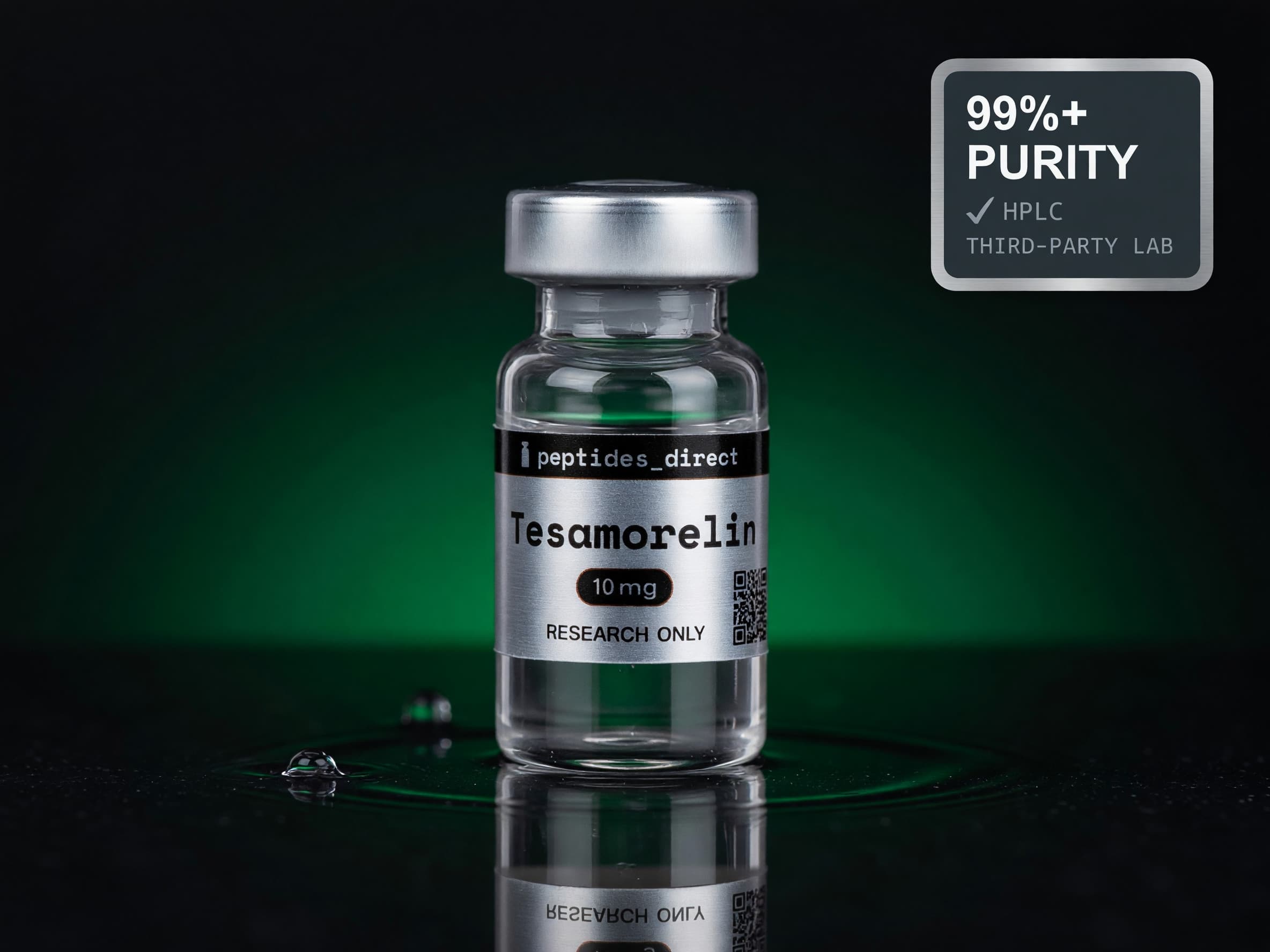
Tesamorelin
€64.99
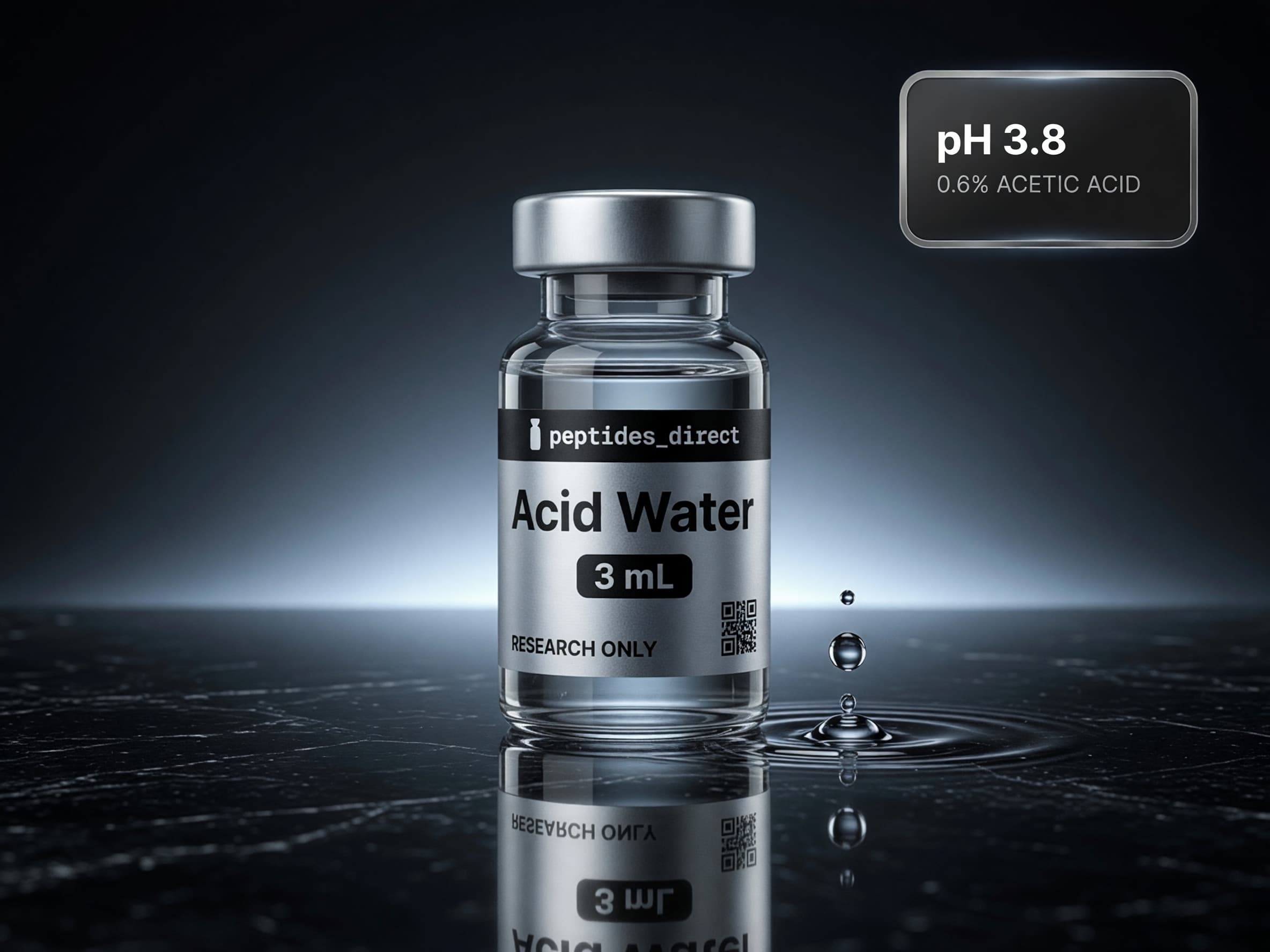
Acetic Acid Water
€4.99
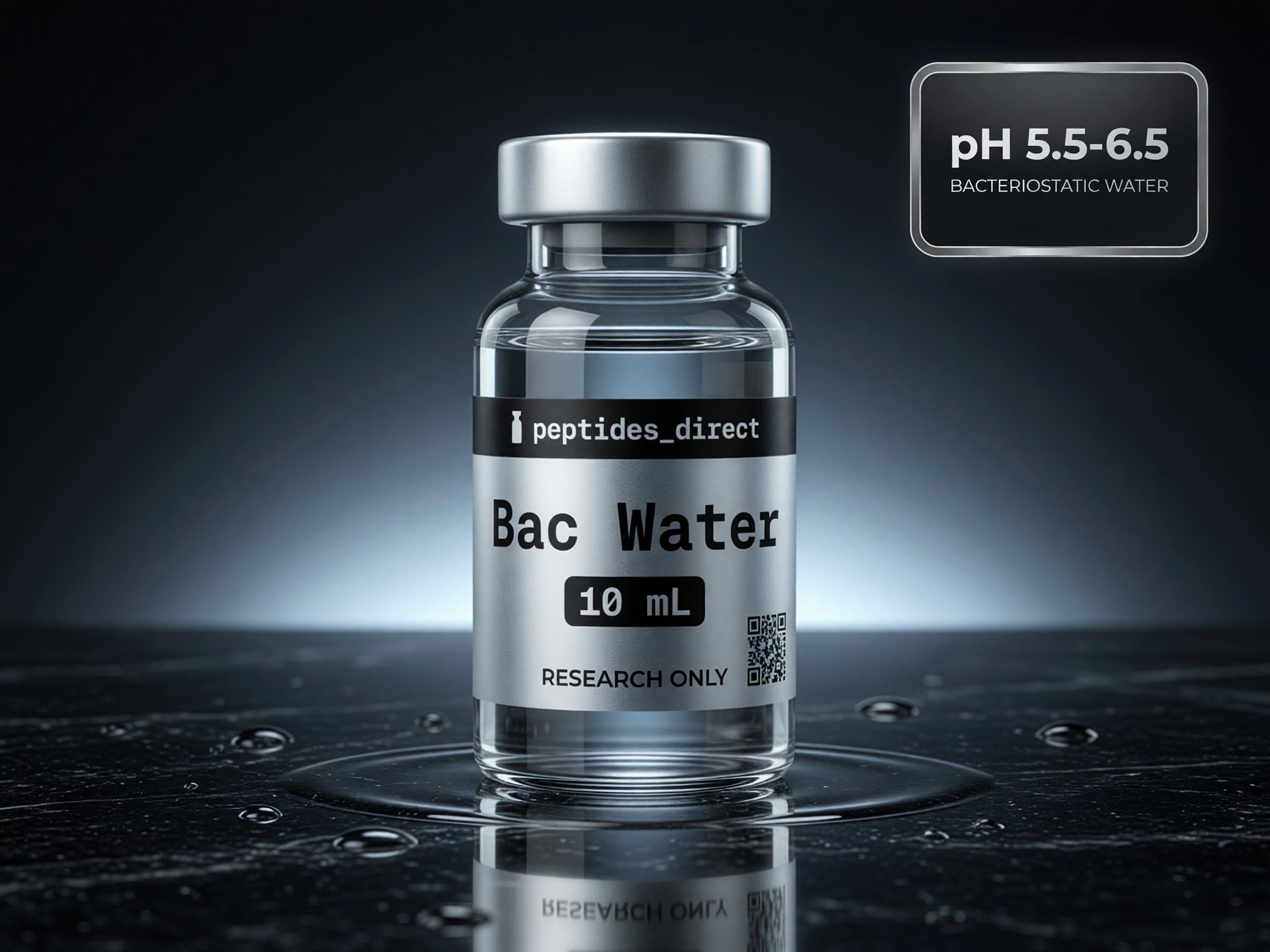
Bacteriostatic Water
€19.99
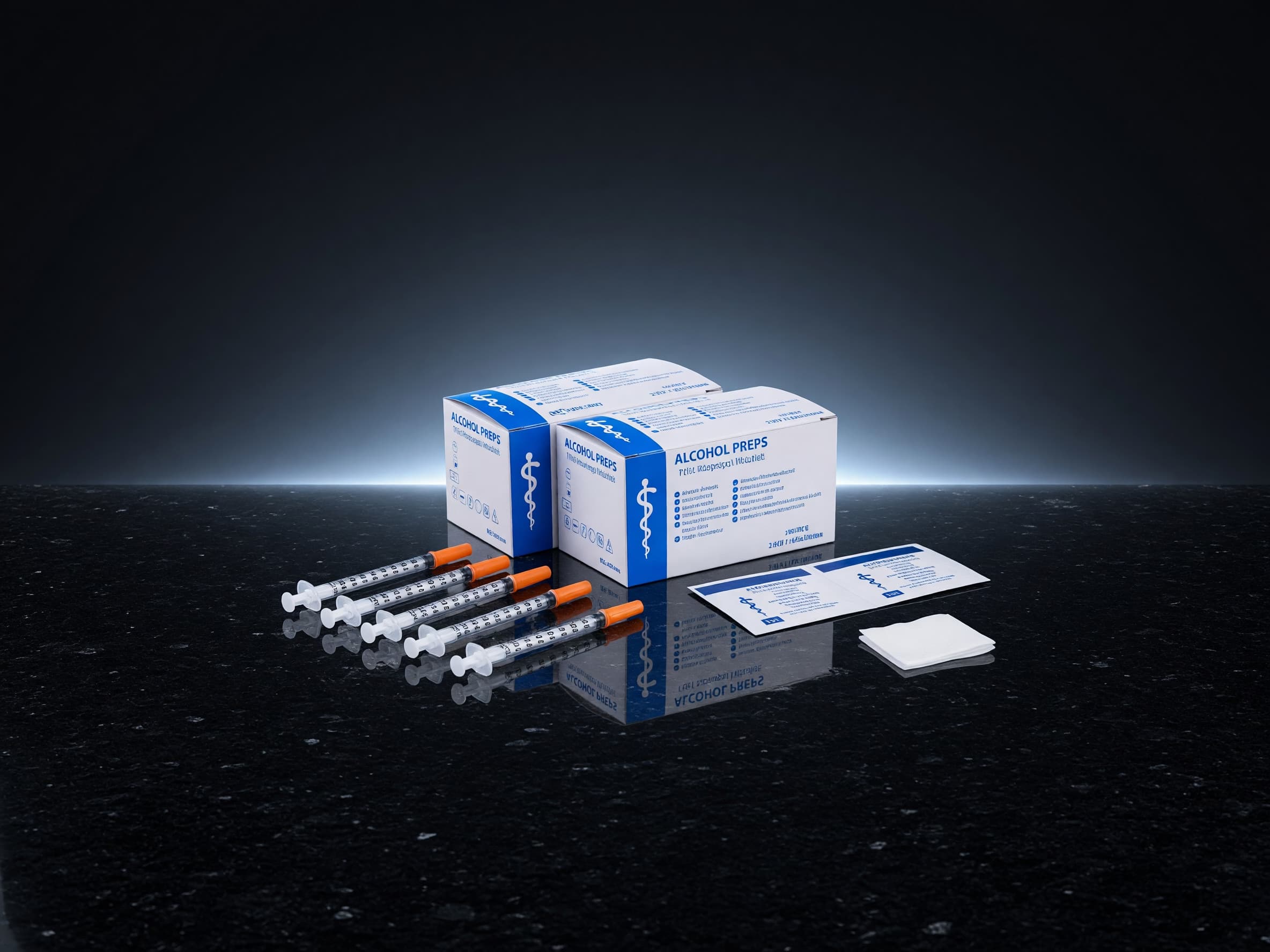
Lab Measuring Syringe + Prep Wipes Set (1 mL 31G)
€11.99
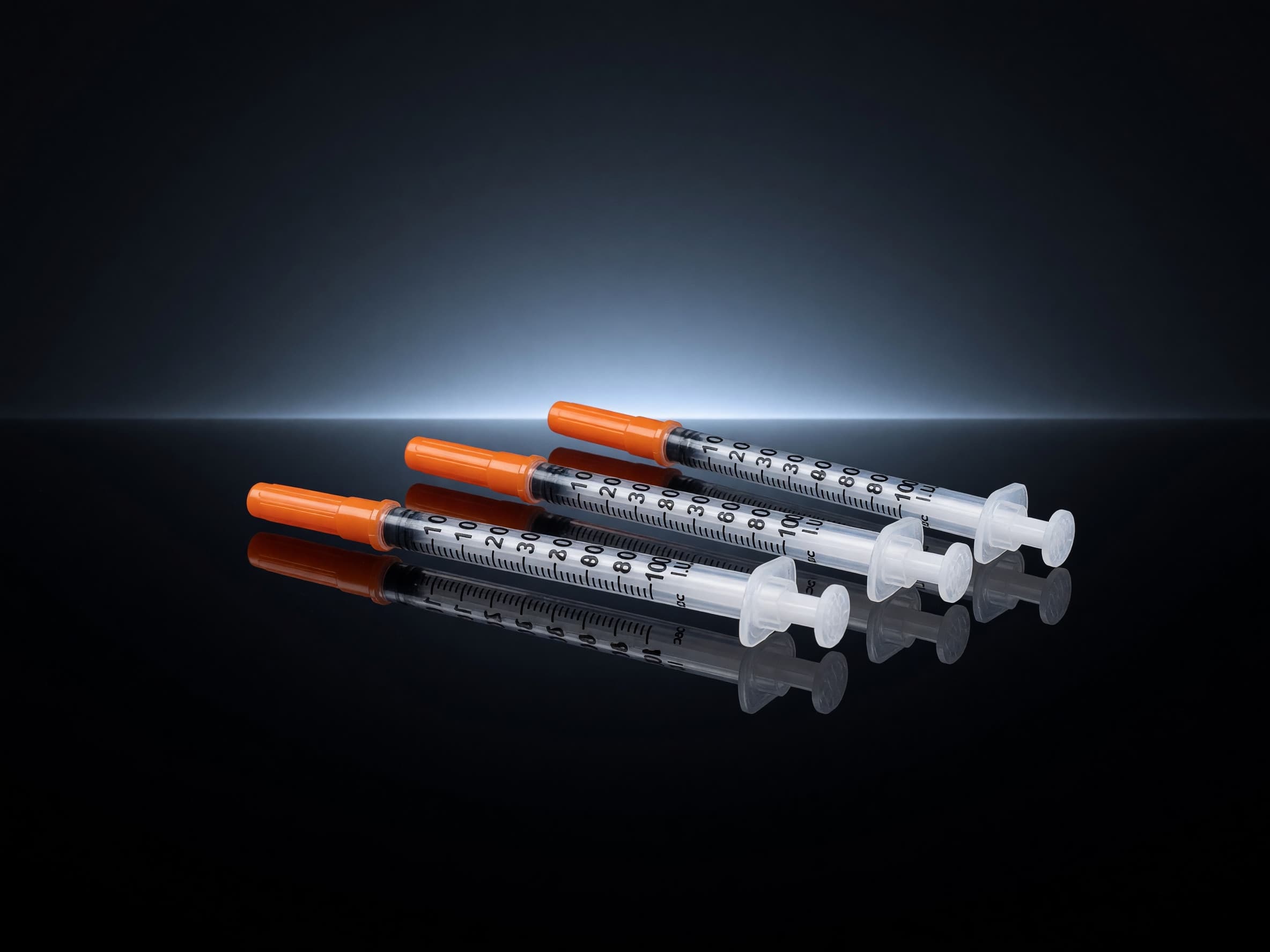
Graduated Measuring Syringe 1 mL 31G x 6 mm
€9.99
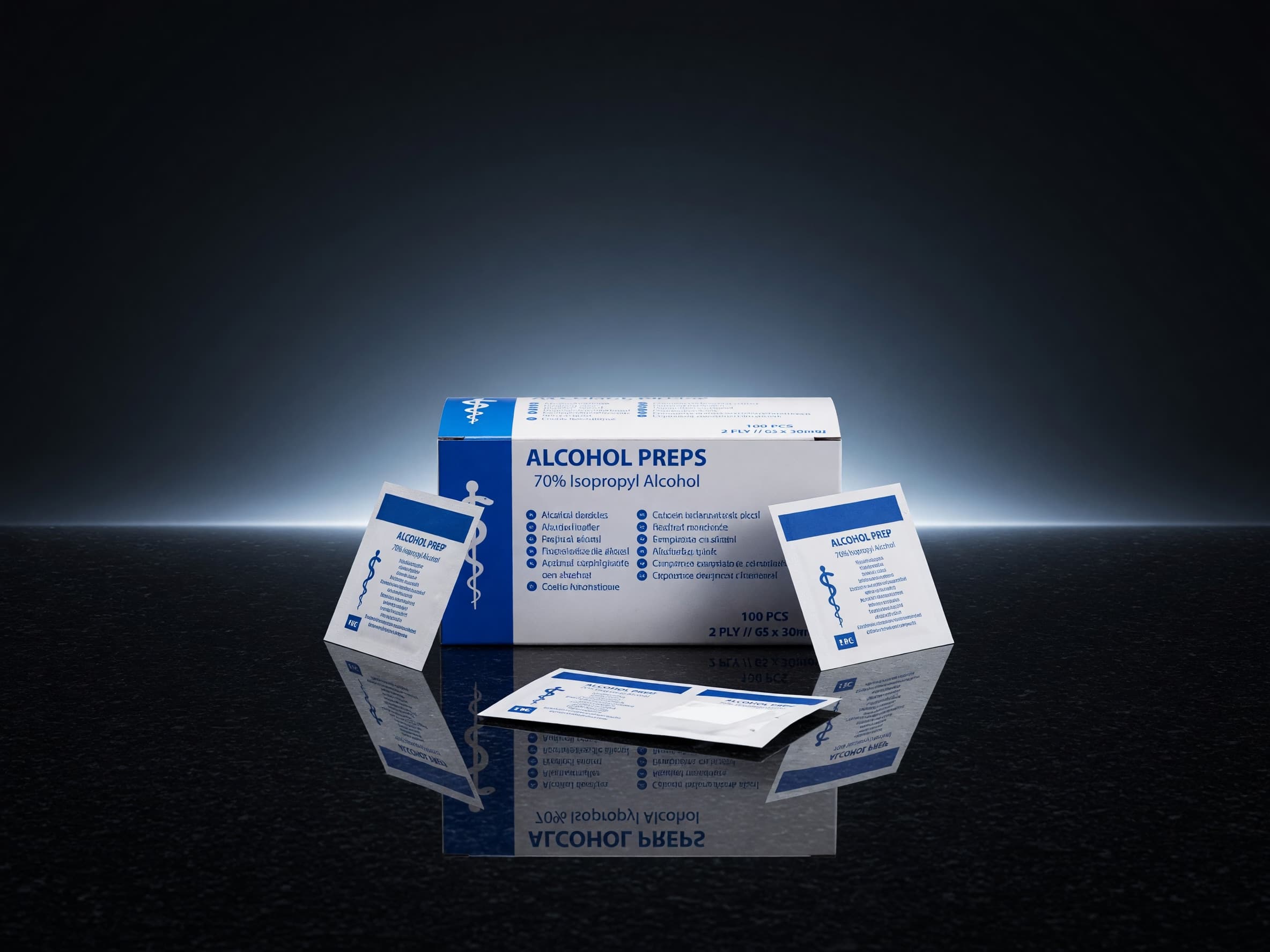
Alcohol Prep Pads 30 x 65 mm
€2.99
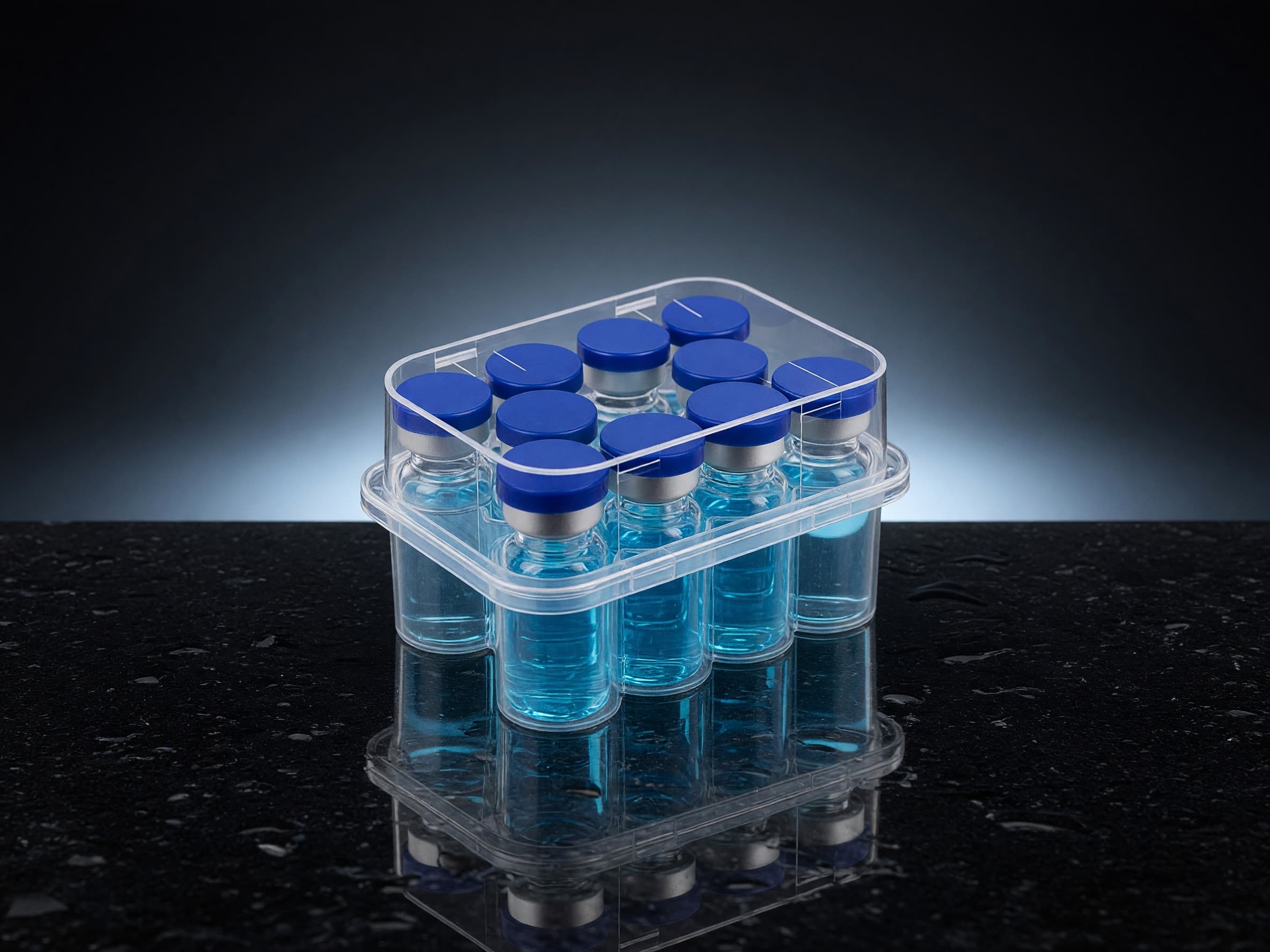
Peptide Storage Box (10 Compartments)
€4.99
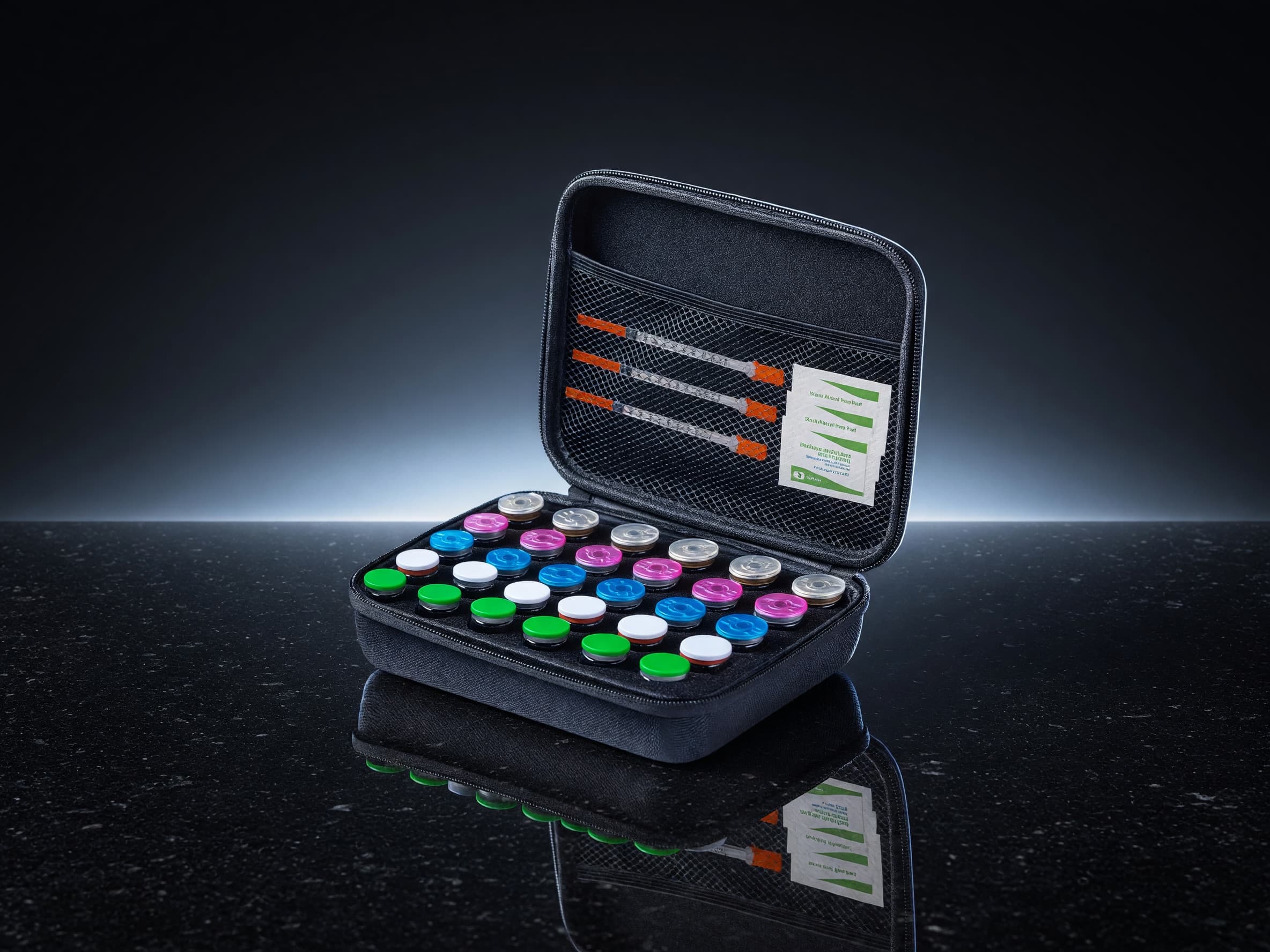
Peptide Vial Case 30 Slots
€29.99