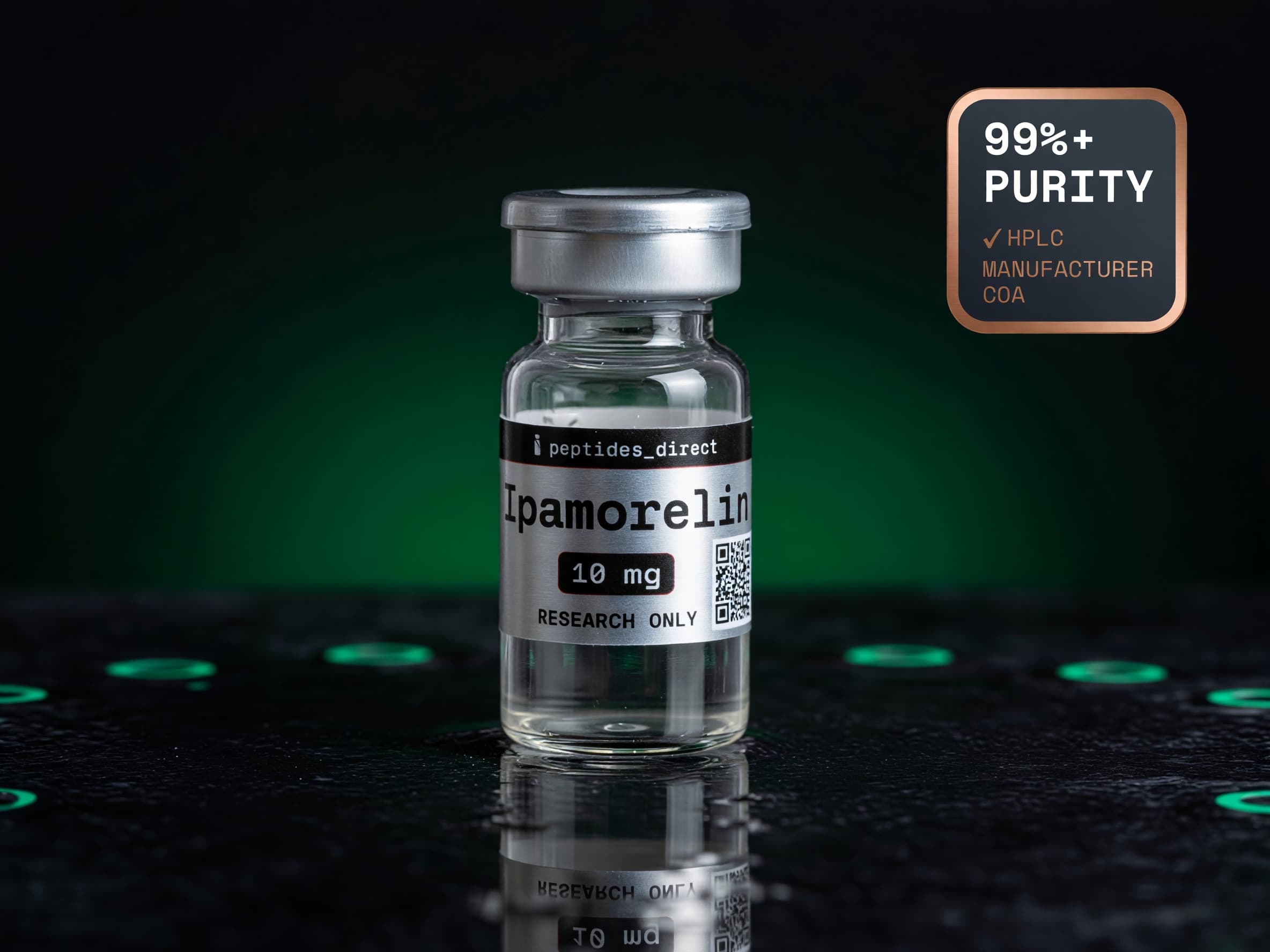
Ipamorelin
Highly selective growth hormone releaser that triggers natural GH pulses without raising cortisol or prolactin. Clean GH stimulation with minimal side effects - the most targeted growth hormone peptide available.
99.73%Third-party lab: JanoshikView COA€41.99
€48.99
−14%(€7.00)savedFor Research Use Only
This product is sold strictly for in-vitro research and laboratory use. Not intended for human consumption or any in-vivo application.
Payment Methods
Selective GH secretagogue
Ipamorelin is a five-amino-acid peptide that triggers a clean pulse of growth hormone in research models, without spilling over into other hormone systems.
Ghrelin-receptor agonist
The peptide locks onto GHS-R1a, the ghrelin receptor on pituitary cells, mimicking how the body's own ghrelin signal asks for a GH release.
Pulsatile, not flat
Studies show short-lived spikes of GH that mirror the body's natural pulse pattern, rather than a constant elevated baseline.
No cortisol or prolactin spike
Unlike GHRP-6 and hexarelin, ipamorelin does not raise ACTH, cortisol, or prolactin in published studies, which is the trait that earned it the label "first selective GH secretagogue".
Bone formation research
Counteracted glucocorticoid-induced bone loss and supported longitudinal bone growth in rat studies.
Gut motility studies
Investigated for postoperative ileus in rodent models and a phase-2 human bowel-resection trial as a ghrelin-receptor agonist on intestinal transit.
Research areas
What is Ipamorelin
Ipamorelin is a synthetic pentapeptide, designed in the late 1990s as a selective agonist of the growth-hormone secretagogue receptor (GHS-R1a), the same receptor that the gut hormone ghrelin binds to. The five-amino-acid sequence is Aib-His-D-2-Nal-D-Phe-Lys-NH2.
It became known in the literature as the first GH secretagogue with a clean hormone profile: in the original characterization study, ipamorelin released growth hormone with a potency comparable to GHRP-6, but did not raise ACTH or cortisol above the baseline seen with natural GHRH stimulation.
We supply ipamorelin as a lyophilized (freeze-dried) powder, the same form used in published research protocols.
How it works
Ipamorelin docks onto the GHS-R1a receptor on pituitary somatotrophs, the cells that store and release growth hormone. That signal triggers a short, pulsatile release of GH, similar to how the body's own ghrelin works during fasting. The effect is dose-responsive and well characterized in human pharmacokinetic-pharmacodynamic modeling.
What sets ipamorelin apart in research is its receptor selectivity. Older GH-releasing peptides such as GHRP-6 and hexarelin also bump up ACTH, cortisol, and prolactin, which complicates the interpretation of any GH-driven effect. Ipamorelin avoids that crosstalk: in the foundational studies it released GH cleanly, with no significant change in ACTH, cortisol, prolactin, FSH, LH, or TSH.
Beyond the GH axis, the same ghrelin-receptor binding has been studied in two other contexts: bone formation, where ipamorelin counteracted glucocorticoid-induced bone loss in adult rats, and gastrointestinal motility, where the peptide accelerated intestinal transit in rodent postoperative-ileus models and was later tested in a phase-2 human bowel-resection trial.
Often studied alongside
In growth-hormone-axis research, ipamorelin is most often paired with CJC-1295, the short-acting no-DAC GHRH analog we sell (Mod GRF 1-29, half-life commonly cited at about 30 minutes). The two peptides act on different receptors (GHS-R for ipamorelin, GHRH-R for CJC-1295) and the combination is studied for the synergistic GH pulse it produces. Pre-mixed blends of the two are commonly used to keep dosing ratios consistent across studies.
GHRH analog studied as an alternative pairing partner
GHRH(1-29) analog for physiological growth hormone stimulation research
Recombinant growth hormone, the direct comparator in GH-axis work
For reconstitution, the standard solvent in published protocols is bacteriostatic or sterile water.
Standard solvent for reconstitution
USP-grade sterile water with 0.9% benzyl alcohol (near-neutral, pH 6.2 to 6.4) - the standard solvent for reconstituting lyophilized peptides. Essential accessory for any peptide research. Each vial is sealed and ready to use.
Documentation
Material specification
Purity
Test method
Form
Storage (sealed)
Storage (reconstituted)
CoA
Selected research
- PMID 9849822
Ipamorelin, the first selective growth hormone secretagogue
Eur J Endocrinol, 1998, original characterization, GH release without ACTH or cortisol elevation - PMID 10373343
Ipamorelin, a new growth-hormone-releasing peptide, induces longitudinal bone growth in rats
Growth Horm IGF Res, 1999, longitudinal bone growth in adult rats - PMID 10496658
Pharmacokinetic-pharmacodynamic modeling of ipamorelin, a growth hormone releasing peptide, in human volunteers
Pharm Res, 1999, dose-response GH modeling in healthy male volunteers - PMID 11735244
The growth hormone secretagogue ipamorelin counteracts glucocorticoid-induced decrease in bone formation of adult rats
Growth Horm IGF Res, 2001, bone-formation rescue under glucocorticoid load - PMID 19289567
Efficacy of ipamorelin, a novel ghrelin mimetic, in a rodent model of postoperative ileus
J Pharmacol Exp Ther, 2009, intestinal transit and recovery in rats after surgery - PMID 25331030
Prospective, randomized, controlled, proof-of-concept study of the Ghrelin mimetic ipamorelin for the management of postoperative ileus in bowel resection patients
Int J Colorectal Dis, 2014, phase-2 RCT in 114 bowel-resection patients - PMID 32801950
Attenuation of Visceral and Somatic Nociception by Ghrelin Mimetics
J Exp Pharmacol, 2020, ghrelin-receptor mediated nociception model with ipamorelin
Research use only
This material is sold strictly for in-vitro research and laboratory use. Not intended for human or animal consumption, medical, cosmetic, or household applications. Suitable only for professional laboratory environments.
Reconstitution: sensitive peptide
Some peptides react sensitively to the pH and quality of the reconstitution water and can turn cloudy or not fully dissolve if reconstituted incorrectly (for example with tap water, non-sterile water, old or contaminated bacteriostatic water, or the wrong water-to-peptide ratio). This is a common reconstitution matter, not an automatic sign of a faulty vial. Always reconstitute with fresh, pharmaceutical-grade diluent as prescribed by the product-specific protocol on this page (bacteriostatic or sterile water, or dilute acetic-acid water first where the page says so), add it slowly down the inner wall of the vial, and swirl gently instead of shaking. If it still looks cloudy right after mixing, let it rest for 10 to 15 minutes and swirl again before judging clarity. Correct technique and suitable water are the customer's responsibility, and so is following the product-specific instructions on this page. Where a peptide needs an acid-first protocol (it says so above, for example for AOD-9604 and Tesamorelin), reconstituting it in plain bacteriostatic water instead is a handling error, not a defect, and is not covered. If a vial stays cloudy after these steps, contact us with clear photos. We replace it free of charge once if you reconstituted with water from our own range or with factory-sealed water from a pharmaceutical manufacturer and followed the instructions on this page; with water of unknown origin the cause cannot be narrowed down and the case is not covered.
Best reconstituted in near-neutral bacteriostatic water (around pH 5.7, the USP water value). We recommend checking your water's pH with a cheap meter first: each peptide has its own ideal range, and matching the water is your responsibility.
Reconstitution itself, including the choice of diluent, volumes and technique, is part of the research work and lies with the customer; how a mix behaves once liquid meets powder is outside our control. Your statutory rights regarding genuine product defects remain unaffected.
Why peptides turn cloudy: the reconstitution guideStorage and stability
- Dry, lyophilized vials keep for months refrigerated, or up to 24 months frozen at -20°C.
- After reconstitution in bacteriostatic water, use within about 30 days at 2 to 8°C, and avoid repeated freeze-thaw.
Reviews
No reviews yet. Write the first one!
Only customers who ordered the product from us can leave a review; we verify this automatically against the order number. Every review submitted is published, regardless of star rating. Rewarded reviews from our coupon program are individually labelled.
Frequently Asked Questions
Technical data sheet
- CAS number
- 170851-70-4
- Molecular formula
- C₃₈H₄₉N₉O₅
- Molar mass
- 711.86 g/mol
- Type / receptor
- Selective GH secretagogue (ghrelin mimetic)
- Form
- White lyophilized powder
- Solubility
- Bacteriostatic water (BAC)
- Storage
- -20°C for up to 24 months; 30 days at 2-8°C after reconstitution
Identity data from public chemical references (PubChem). Per-batch purity: see lab reports below.
Frequently bought together
Complete your subcutaneous research workflow
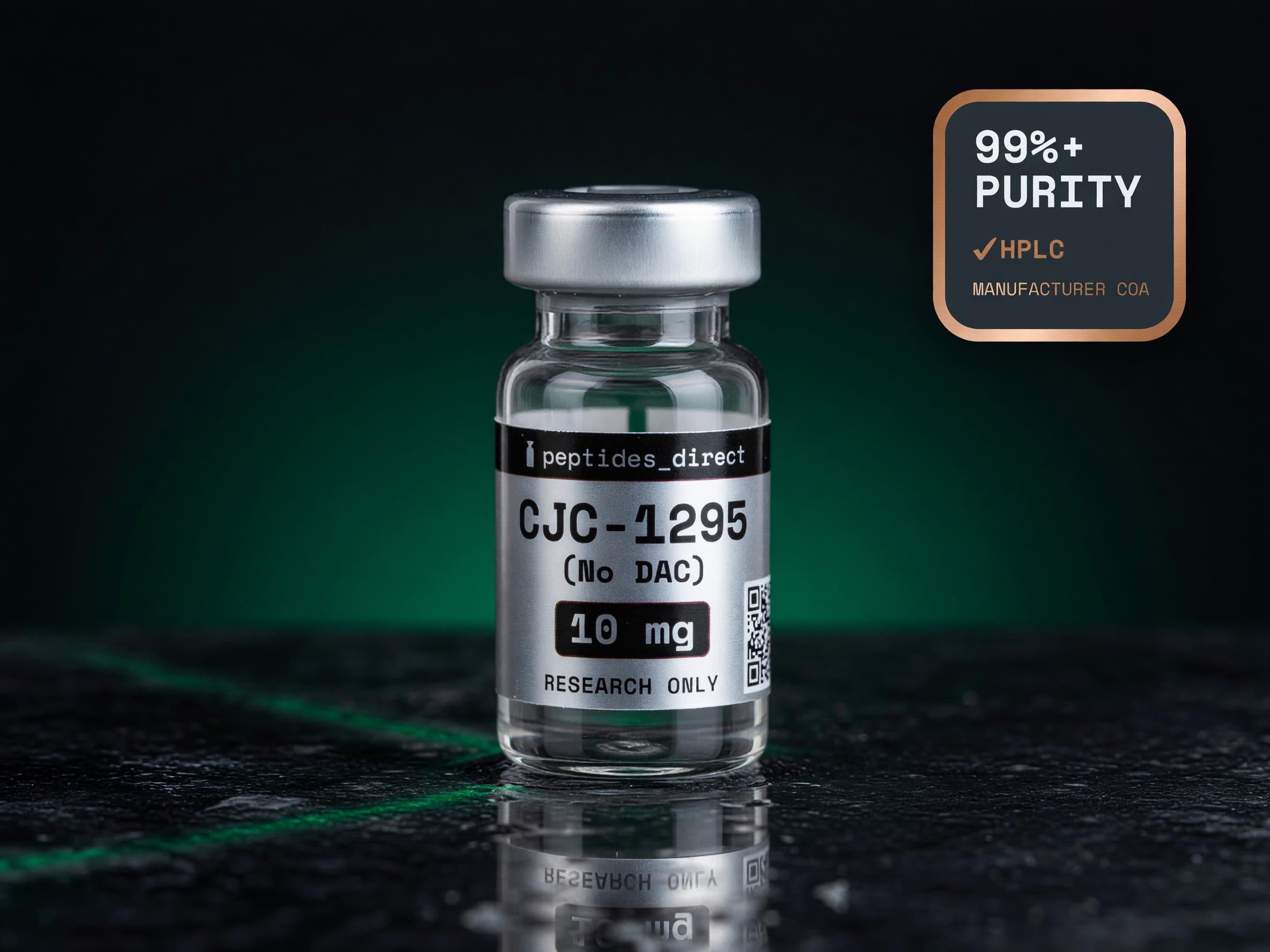
CJC-1295 (No DAC)
€64.99
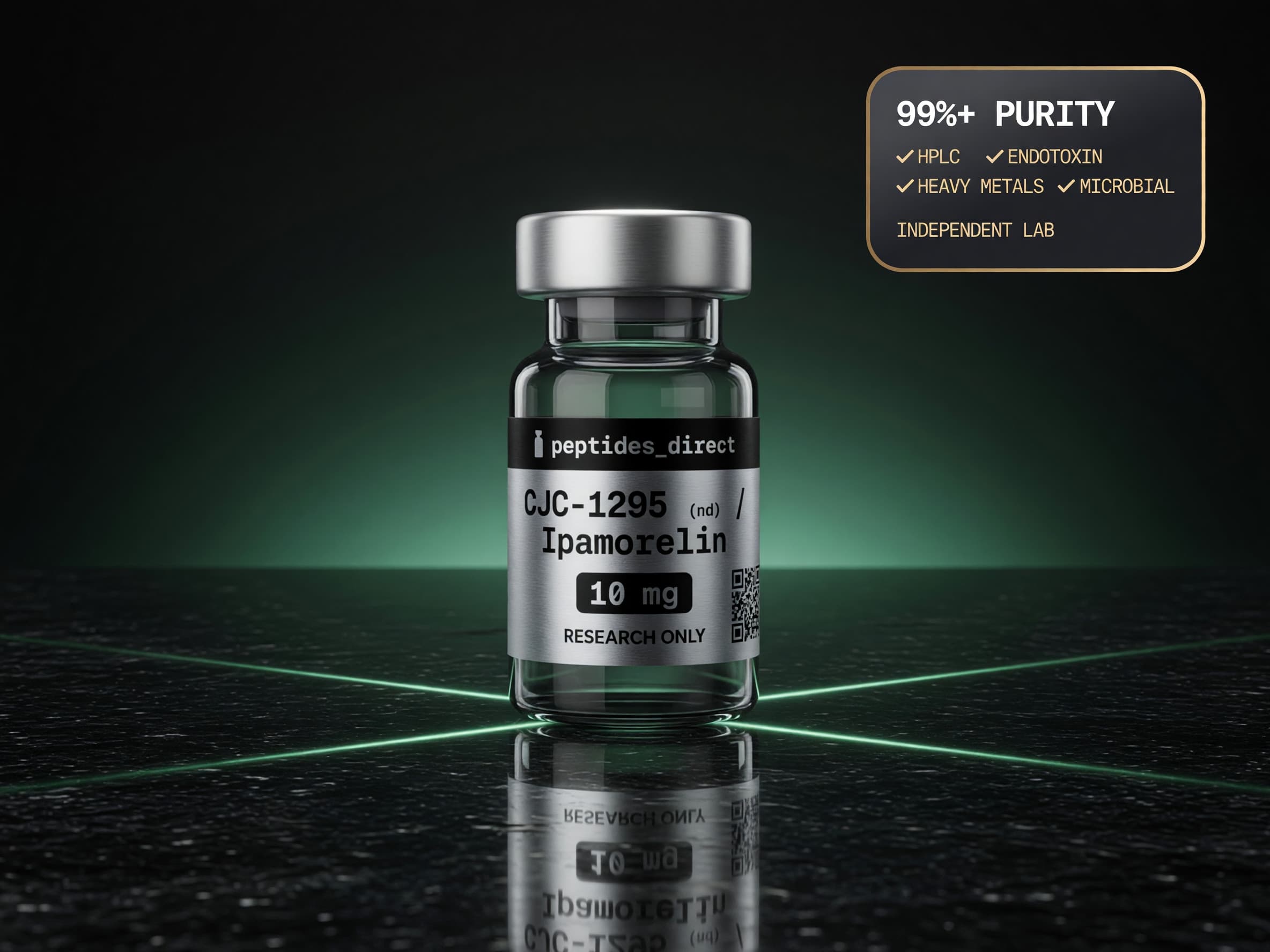
CJC-1295 (No-DAC)/Ipamorelin
€58.99
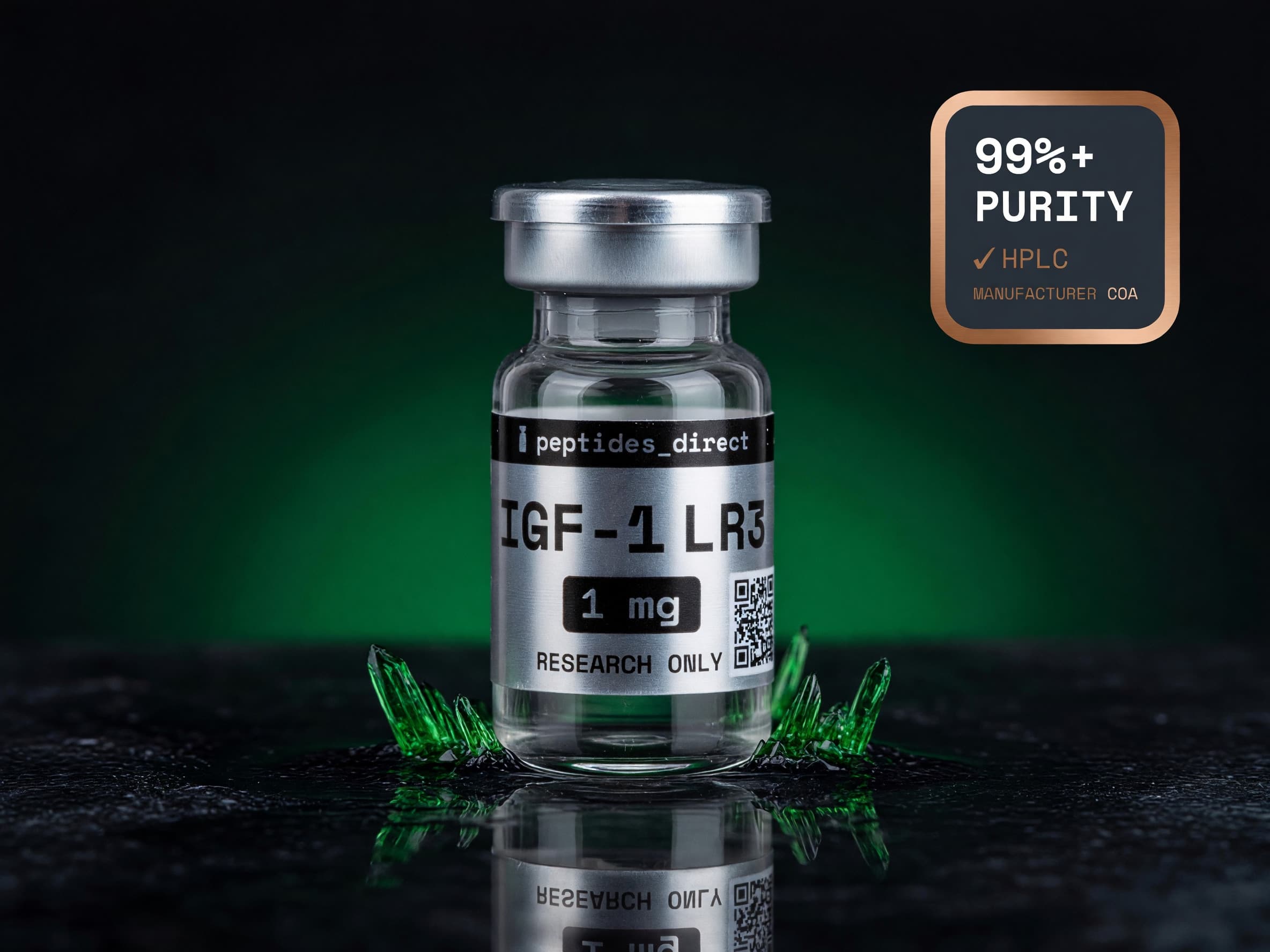
IGF-1 LR3
€74.99
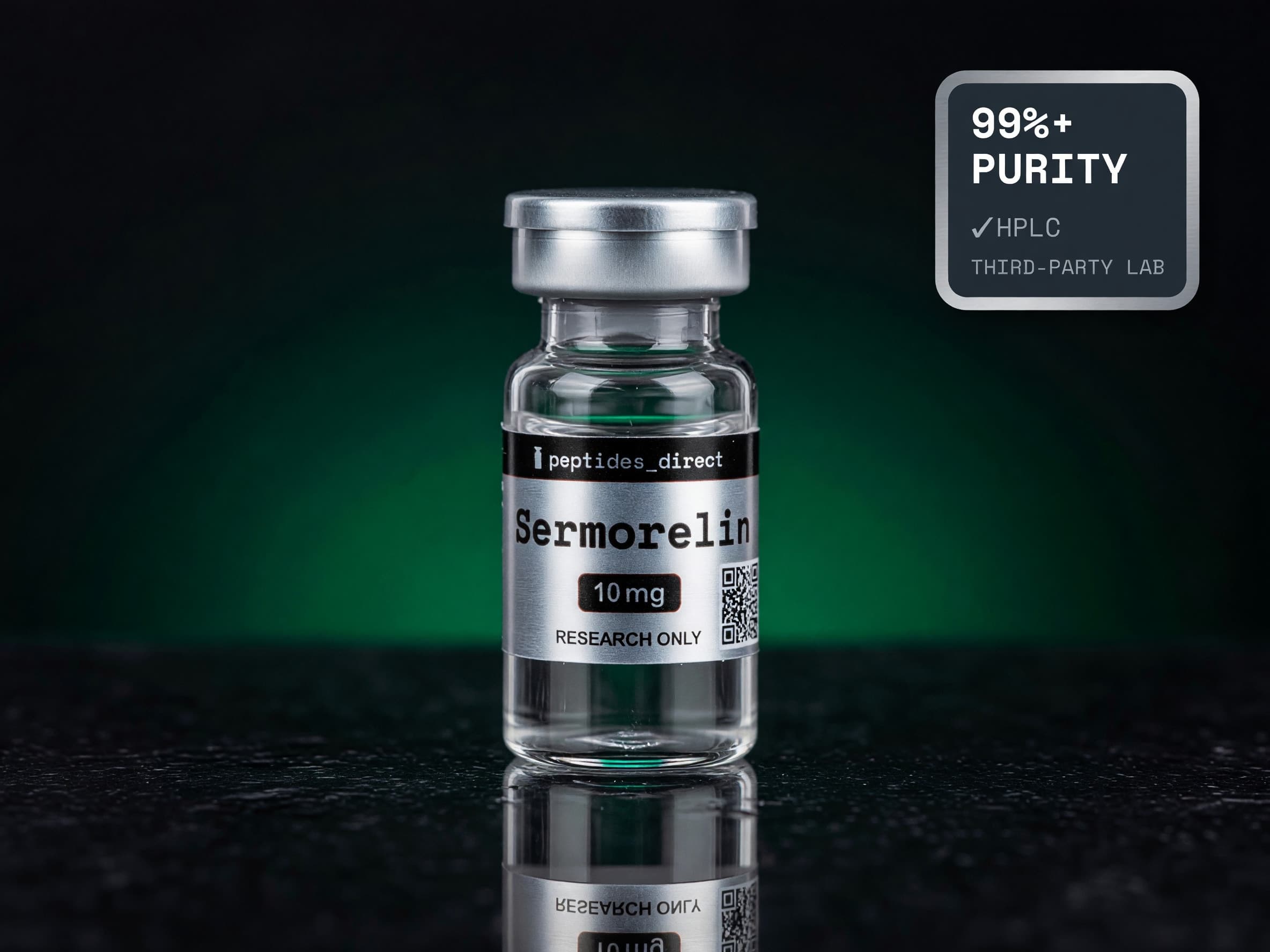
Sermorelin
€59.99
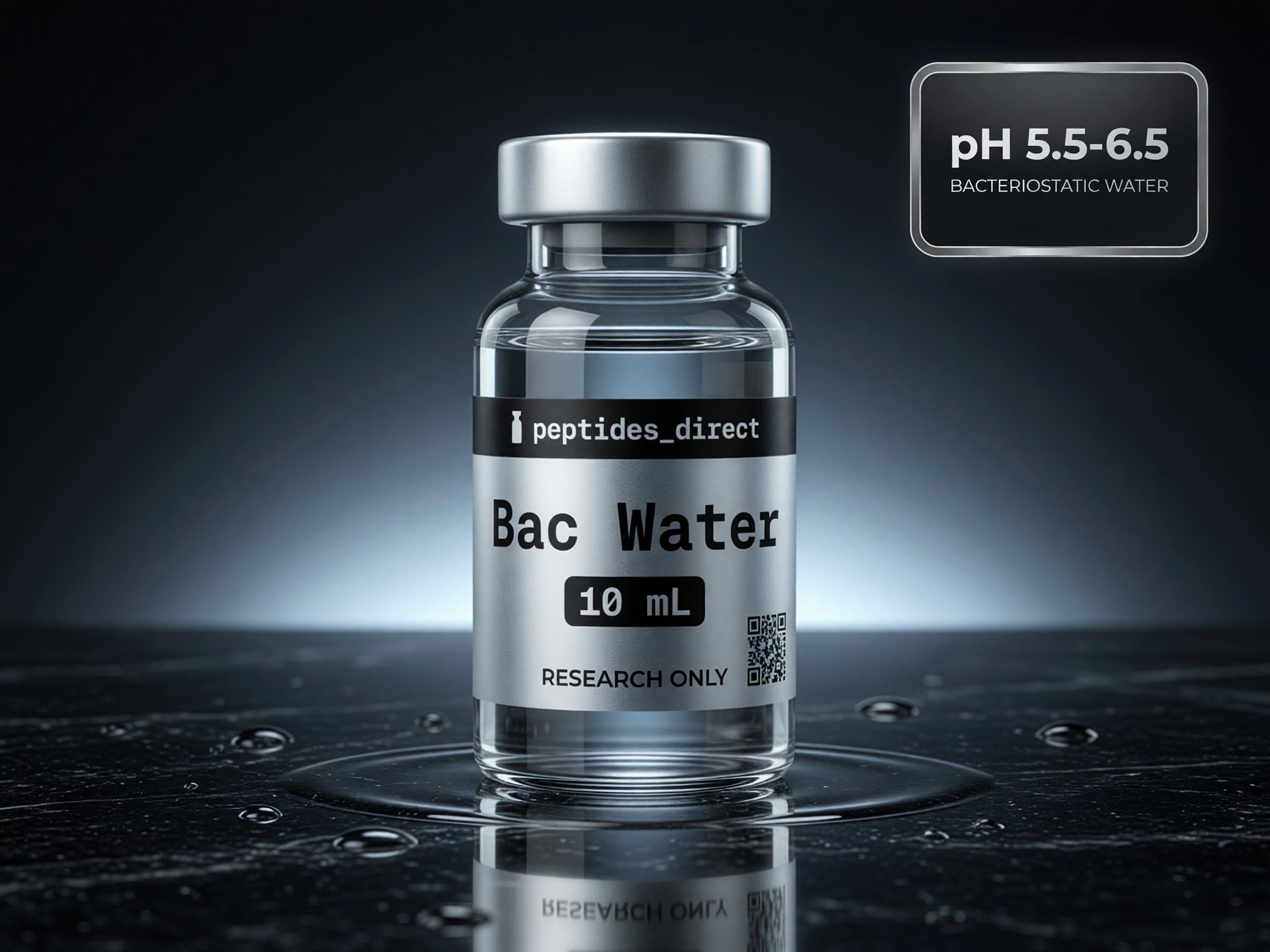
Bacteriostatic Water
€19.99
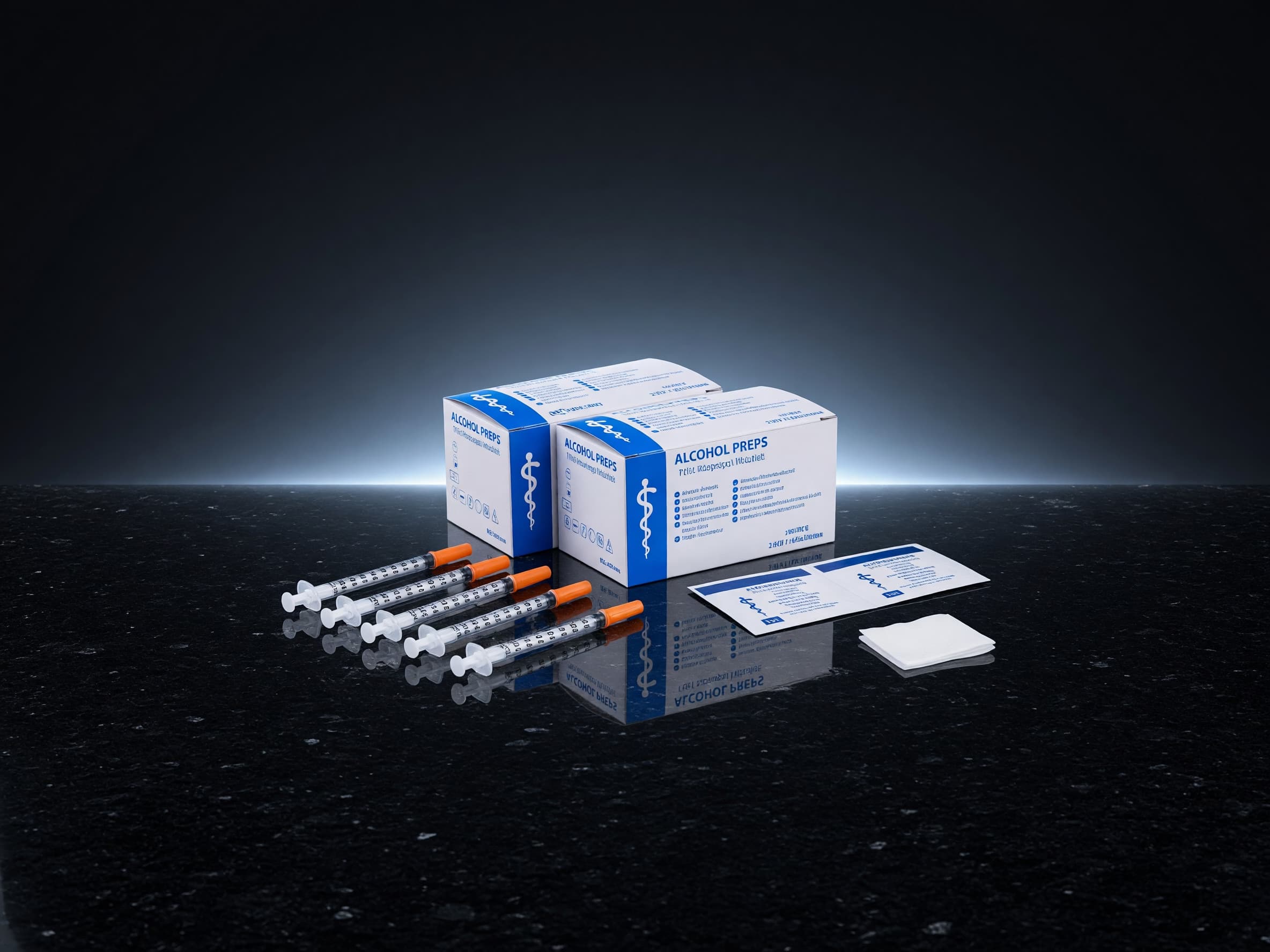
Lab Measuring Syringe + Prep Wipes Set (1 mL 31G)
€11.99
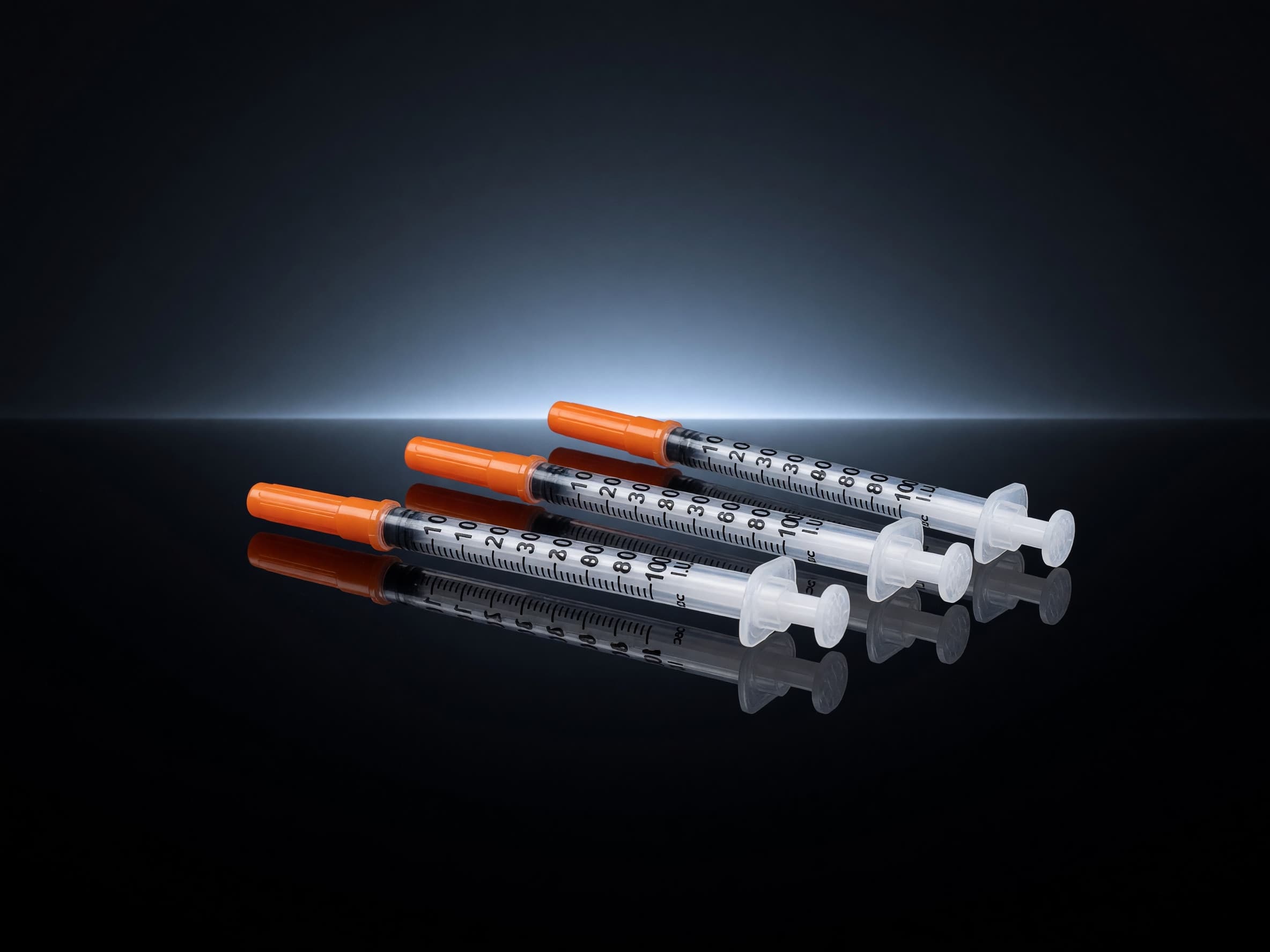
Graduated Measuring Syringe 1 mL 31G x 6 mm
€9.99
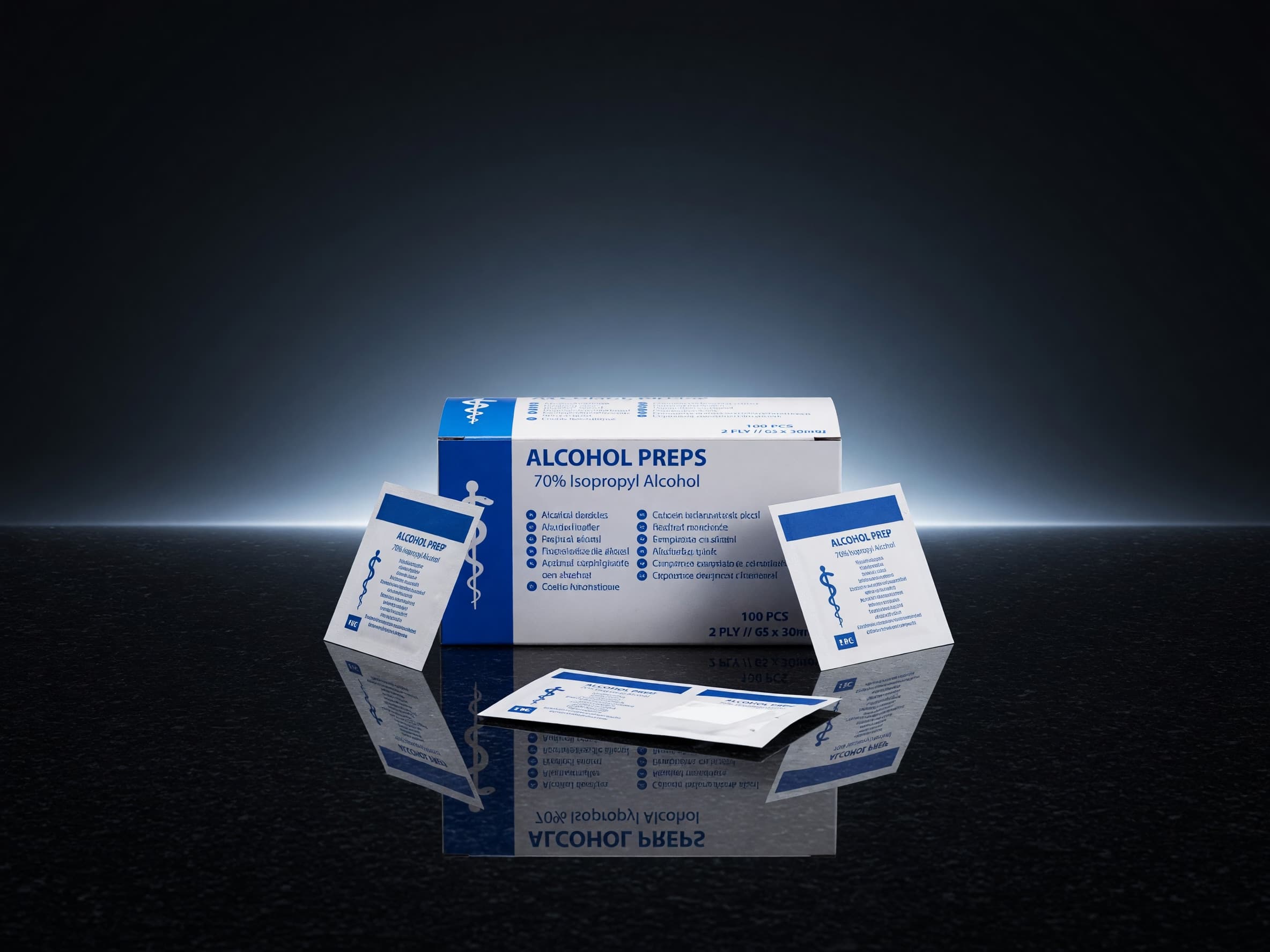
Alcohol Prep Pads 30 x 65 mm
€2.99
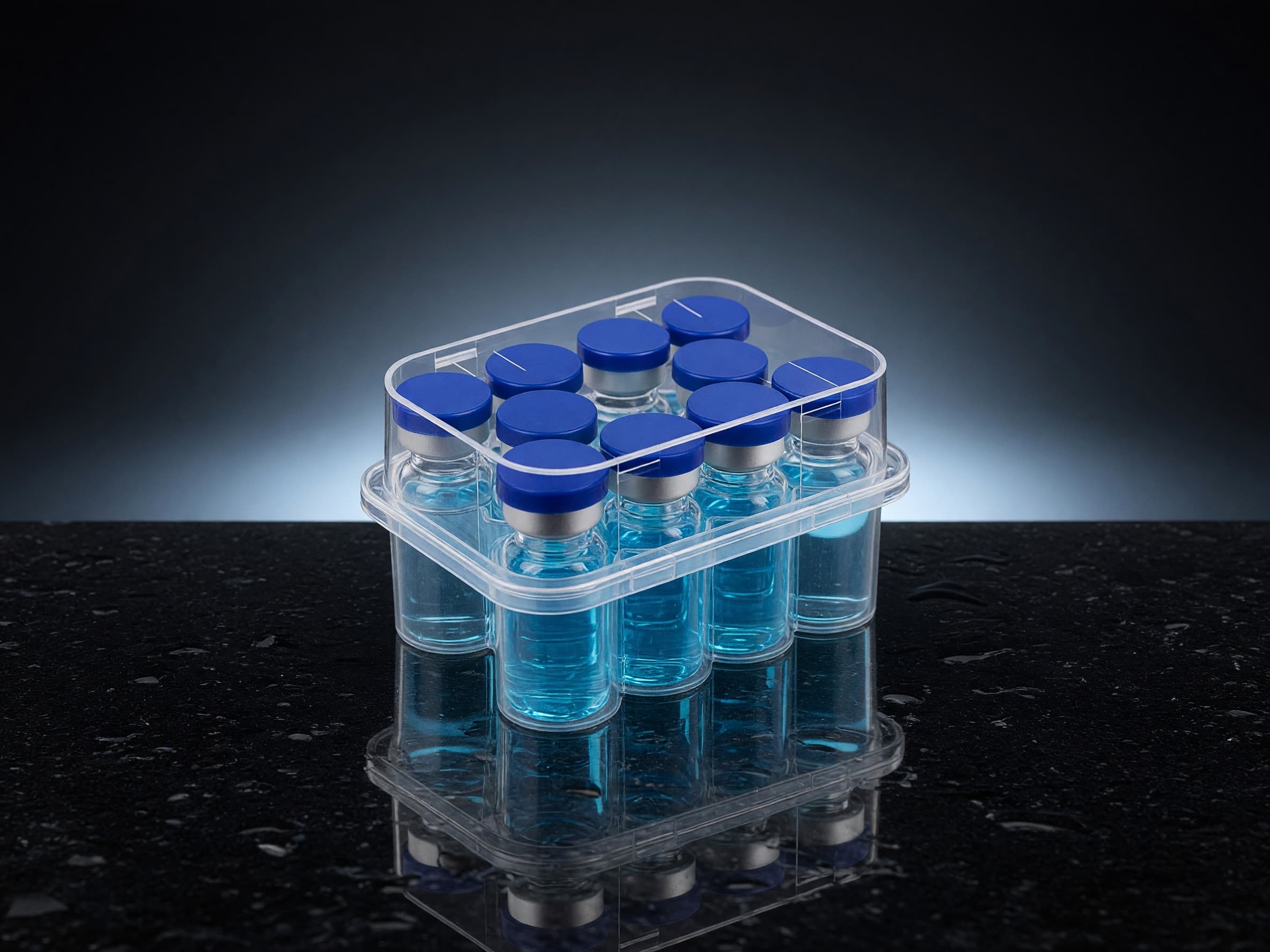
Peptide Storage Box (10 Compartments)
€4.99
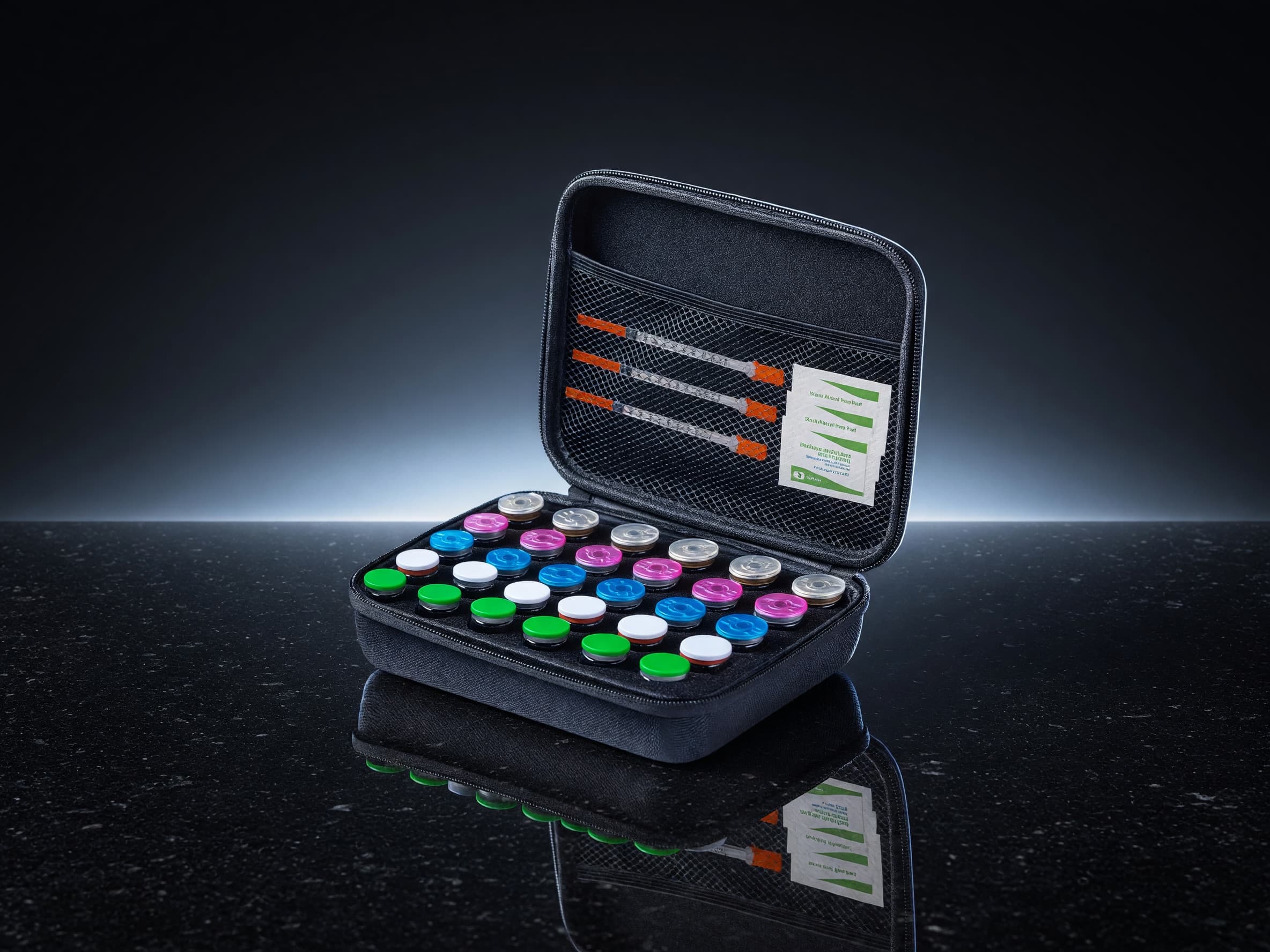
Peptide Vial Case 30 Slots
€29.99