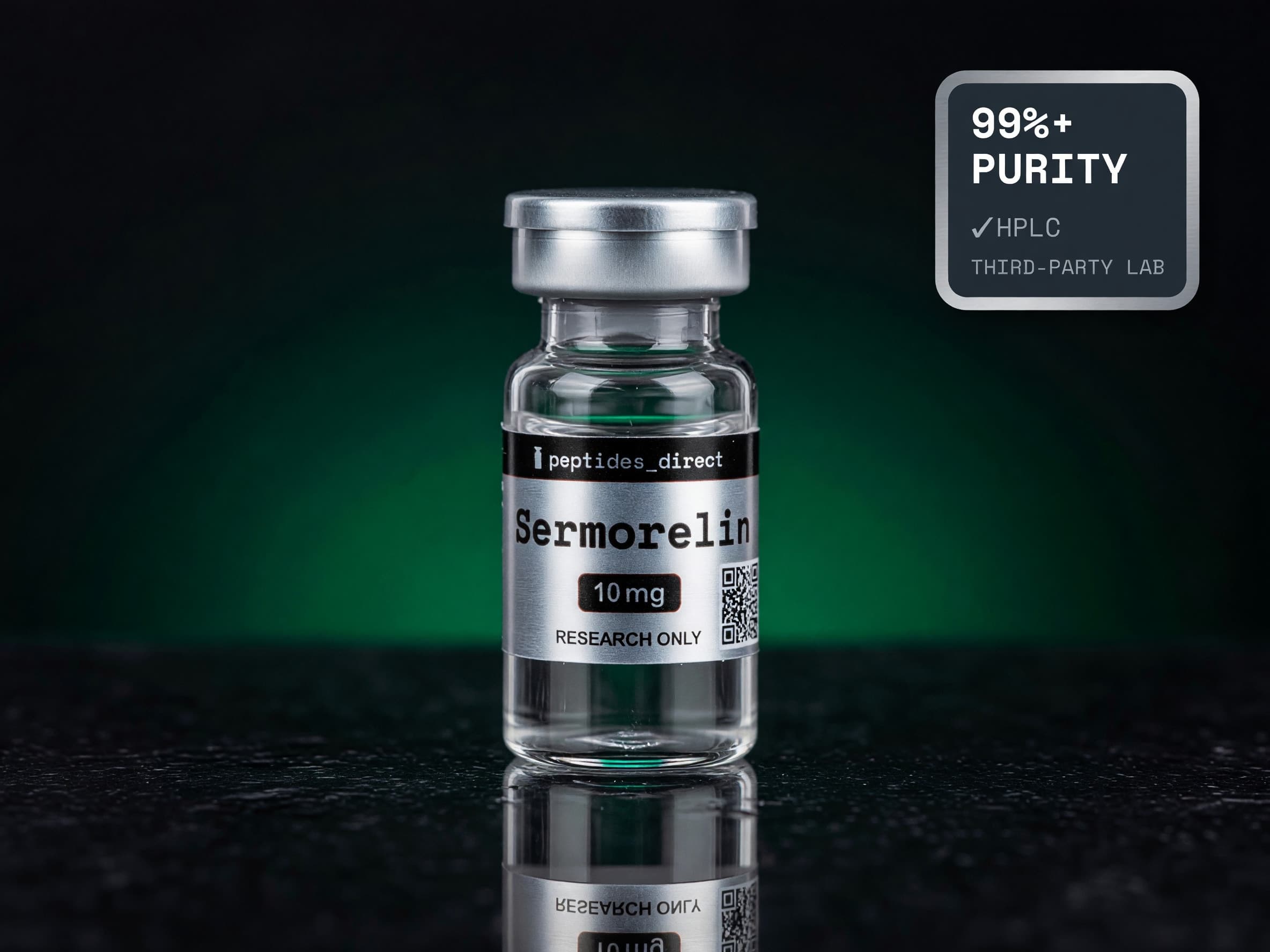
Sermorelin
GHRH(1-29) analog for physiological growth hormone stimulation research
99.53%Third-party lab: JanoshikView COA€59.99
€69.99
−14%(€10.00)savedFor Research Use Only
This product is sold strictly for in-vitro research and laboratory use. Not intended for human consumption or any in-vivo application.
Payment Methods
GHRH 1-29 fragment
Sermorelin is the truncated 29-amino-acid active fragment of human growth-hormone-releasing hormone, the shortest piece that still carries full GHRH activity.
Pituitary signal
Binds the GHRH receptor on somatotroph cells in the anterior pituitary and tells the gland to make and release the body's own growth hormone.
Pulsatile release
Triggers natural pulsatile GH release that stays under somatostatin and IGF-1 feedback control, instead of overriding the axis the way exogenous GH does.
Aging research
GHRH output and GH pulses fall with age (a pattern called somatopause). Sermorelin restored GH pulsatility and IGF-1 levels in older adults in published studies.
IGF-1 axis
Pituitary GH drives liver IGF-1 production. Trial data show sermorelin and close GHRH analogs raise circulating IGF-1 within physiological ranges.
Original Geref legacy
Approved by the FDA in the 1990s as Geref for pediatric GH deficiency diagnosis and treatment. Withdrawn in 2008 for commercial reasons, not safety or efficacy.
Research areas
What is Sermorelin
Sermorelin is a synthetic 29-amino-acid peptide identical to the first 29 residues of human growth-hormone-releasing hormone. The full GHRH molecule is 44 amino acids long, but the 1-29 fragment carries the entire active site, which is why sermorelin behaves like native GHRH at the receptor.
It was developed in the 1980s and approved by the FDA in the 1990s under the brand name Geref, first for diagnosing growth-hormone deficiency in children and later for treating it. The product was pulled from the US market in 2008 by its manufacturer for commercial reasons, after recombinant GH became the dominant pediatric therapy. The FDA later confirmed the withdrawal was not based on safety or efficacy concerns.
We supply it as research-grade lyophilized powder.
How it works
Sermorelin binds the GHRH receptor on somatotroph cells in the anterior pituitary. That receptor is a class B G-protein-coupled receptor: activation raises intracellular cAMP, switches on protein kinase A, and produces two effects in parallel. First, GH already stored in secretory granules is released into the bloodstream within minutes. Second, transcription of the GH gene is upregulated, refilling the pituitary's GH reserve over time.
Because the signal acts upstream of the pituitary, the rest of the axis stays intact. Somatostatin and circulating IGF-1 still feed back to throttle GH output, so the resulting GH pulses look like the body's own pulses rather than the flat exposure produced by injecting recombinant GH directly.
GH released from the pituitary travels to the liver, where it drives production of IGF-1, the main mediator of GH's downstream effects. GHRH output and the size of GH pulses both decline with age (somatopause), and that decline shows up as lower circulating IGF-1. In published clinical research, daily GHRH 1-29 dosing in older adults restored 24-hour GH and IGF-1 toward levels seen in younger subjects, with effects on body composition and skin thickness reported over multi-month studies.
Often studied alongside
Sermorelin is most often paired in research protocols with a growth-hormone secretagogue that works on a different receptor. Ipamorelin is the cleanest pairing: it acts on the ghrelin/GHS receptor and amplifies the GH pulse without affecting cortisol or prolactin. Pre-blended CJC-1295 + ipamorelin is the most commonly studied combination in this class. Tesamorelin, a stabilized GHRH analog, is the closest relative and is studied in similar IGF-1 and body-composition contexts.
Selective GH secretagogue commonly paired with GHRH analogs
Highly selective growth hormone releaser that triggers natural GH pulses without raising cortisol or prolactin. Clean GH stimulation with minimal side effects - the most targeted growth hormone peptide available.
Stabilized GHRH analog with extended half-life
Modified GHRH analog for lipodystrophy and metabolic liver research
For reconstitution, the standard solvent in published protocols is bacteriostatic water.
Standard solvent for reconstitution
USP-grade sterile water with 0.9% benzyl alcohol (near-neutral, pH 6.2 to 6.4) - the standard solvent for reconstituting lyophilized peptides. Essential accessory for any peptide research. Each vial is sealed and ready to use.
Documentation
Material specification
Purity
Test method
Form
Storage (sealed)
Storage (reconstituted)
CoA
Selected research
- PMID 18046908
Walker RF. Sermorelin: a better approach to management of adult-onset growth hormone insufficiency?
Clin Interv Aging, 2006, canonical mechanism and clinical-rationale review - PMID 18031173
Prakash A, Goa KL. Sermorelin: a review of its use in the diagnosis and treatment of children with idiopathic growth hormone deficiency
BioDrugs, 1999, original Geref pediatric-use review - PMID 1379256
Corpas E et al. GHRH-(1-29) twice daily reverses the decreased GH and IGF-I levels in old men
J Clin Endocrinol Metab, 1992, foundational aging-axis study - PMID 9141536
Khorram O, Laughlin GA, Yen SS. Endocrine and metabolic effects of long-term [Nle27]GHRH-(1-29)-NH2 in age-advanced men and women
J Clin Endocrinol Metab, 1997, 16-week aging trial, GH/IGF-1 and body composition - PMID 9005976
Vittone J et al. Effects of single nightly injections of GHRH 1-29 in healthy elderly men
Metabolism, 1997, six-week elderly-men trial on GH pulses and muscle - PMID 22869065
Baker LD et al. Effects of GHRH on cognitive function in adults with mild cognitive impairment and healthy older adults
Arch Neurol, 2012, 20-week controlled trial, IGF-1 and executive function
Research use only
This material is sold strictly for in-vitro research and laboratory use. Not intended for human or animal consumption, medical, cosmetic, or household applications. Suitable only for professional laboratory environments.
Reconstitution: sensitive peptide
Some peptides react sensitively to the pH and quality of the reconstitution water and can turn cloudy or not fully dissolve if reconstituted incorrectly (for example with tap water, non-sterile water, old or contaminated bacteriostatic water, or the wrong water-to-peptide ratio). This is a common reconstitution matter, not an automatic sign of a faulty vial. Always reconstitute with fresh, pharmaceutical-grade diluent as prescribed by the product-specific protocol on this page (bacteriostatic or sterile water, or dilute acetic-acid water first where the page says so), add it slowly down the inner wall of the vial, and swirl gently instead of shaking. If it still looks cloudy right after mixing, let it rest for 10 to 15 minutes and swirl again before judging clarity. Correct technique and suitable water are the customer's responsibility, and so is following the product-specific instructions on this page. Where a peptide needs an acid-first protocol (it says so above, for example for AOD-9604 and Tesamorelin), reconstituting it in plain bacteriostatic water instead is a handling error, not a defect, and is not covered. If a vial stays cloudy after these steps, contact us with clear photos. We replace it free of charge once if you reconstituted with water from our own range or with factory-sealed water from a pharmaceutical manufacturer and followed the instructions on this page; with water of unknown origin the cause cannot be narrowed down and the case is not covered.
Best reconstituted in near-neutral bacteriostatic water (around pH 5.7, the USP water value). We recommend checking your water's pH with a cheap meter first: each peptide has its own ideal range, and matching the water is your responsibility.
Reconstitution itself, including the choice of diluent, volumes and technique, is part of the research work and lies with the customer; how a mix behaves once liquid meets powder is outside our control. Your statutory rights regarding genuine product defects remain unaffected.
Why peptides turn cloudy: the reconstitution guideStorage and stability
- Dry, lyophilized vials keep for months refrigerated, or up to 24 months frozen at -20°C.
- After reconstitution in bacteriostatic water, use within about 30 days at 2 to 8°C, and avoid repeated freeze-thaw.
Reviews
No reviews yet. Write the first one!
Only customers who ordered the product from us can leave a review; we verify this automatically against the order number. Every review submitted is published, regardless of star rating. Rewarded reviews from our coupon program are individually labelled.
Frequently Asked Questions
Technical data sheet
- CAS number
- 86168-78-7
- Molecular formula
- C₁₄₉H₂₄₆N₄₄O₄₂S
- Molar mass
- 3357.93 g/mol
- Type / receptor
- GHRH (1-29) analog
- Form
- White lyophilized powder
- Solubility
- Bacteriostatic water (BAC)
- Storage
- -20°C for up to 24 months; 30 days at 2-8°C after reconstitution
Identity data from public chemical references (PubChem). Per-batch purity: see lab reports below.
Frequently bought together
Complete your subcutaneous research workflow
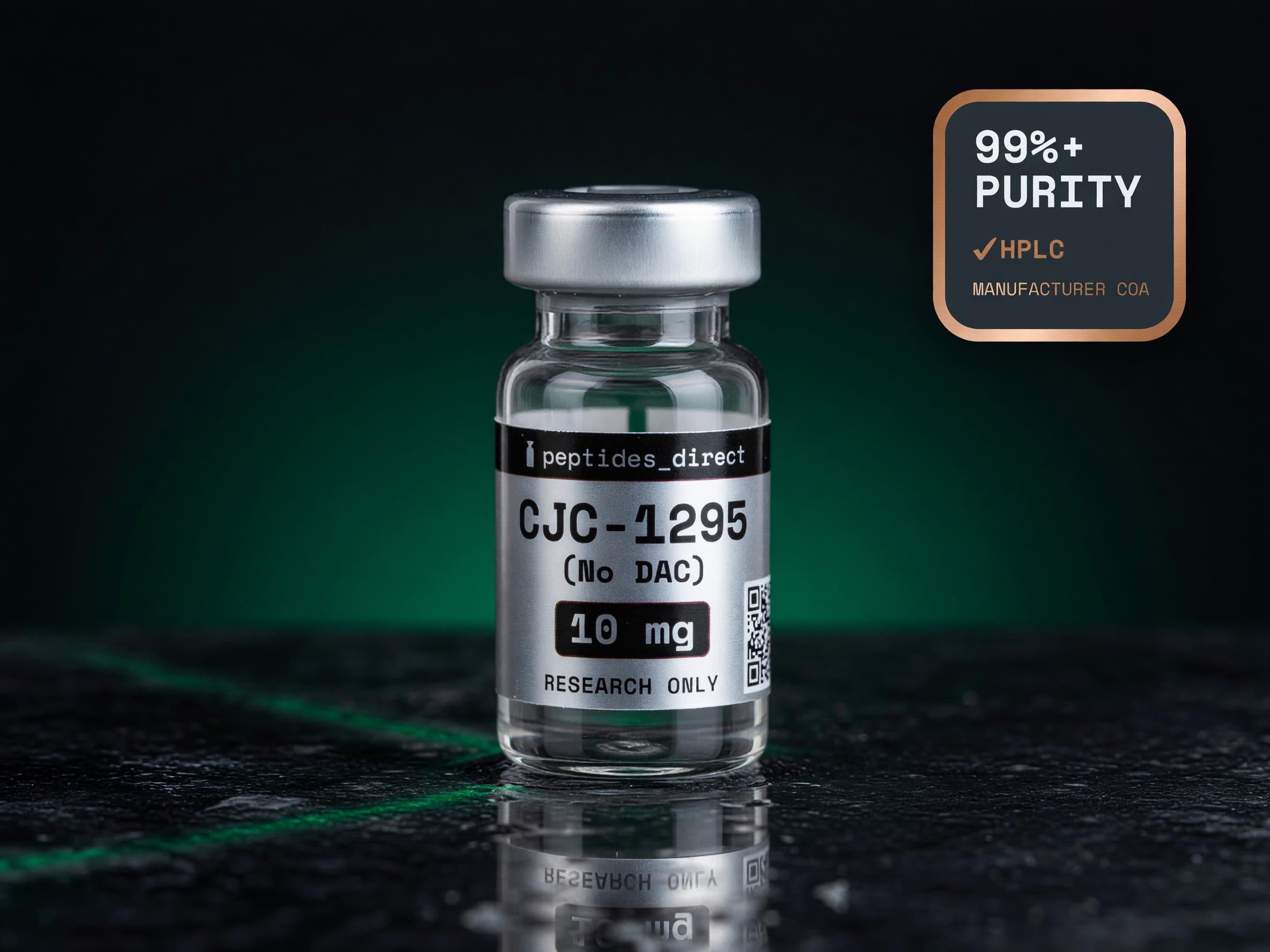
CJC-1295 (No DAC)
€64.99
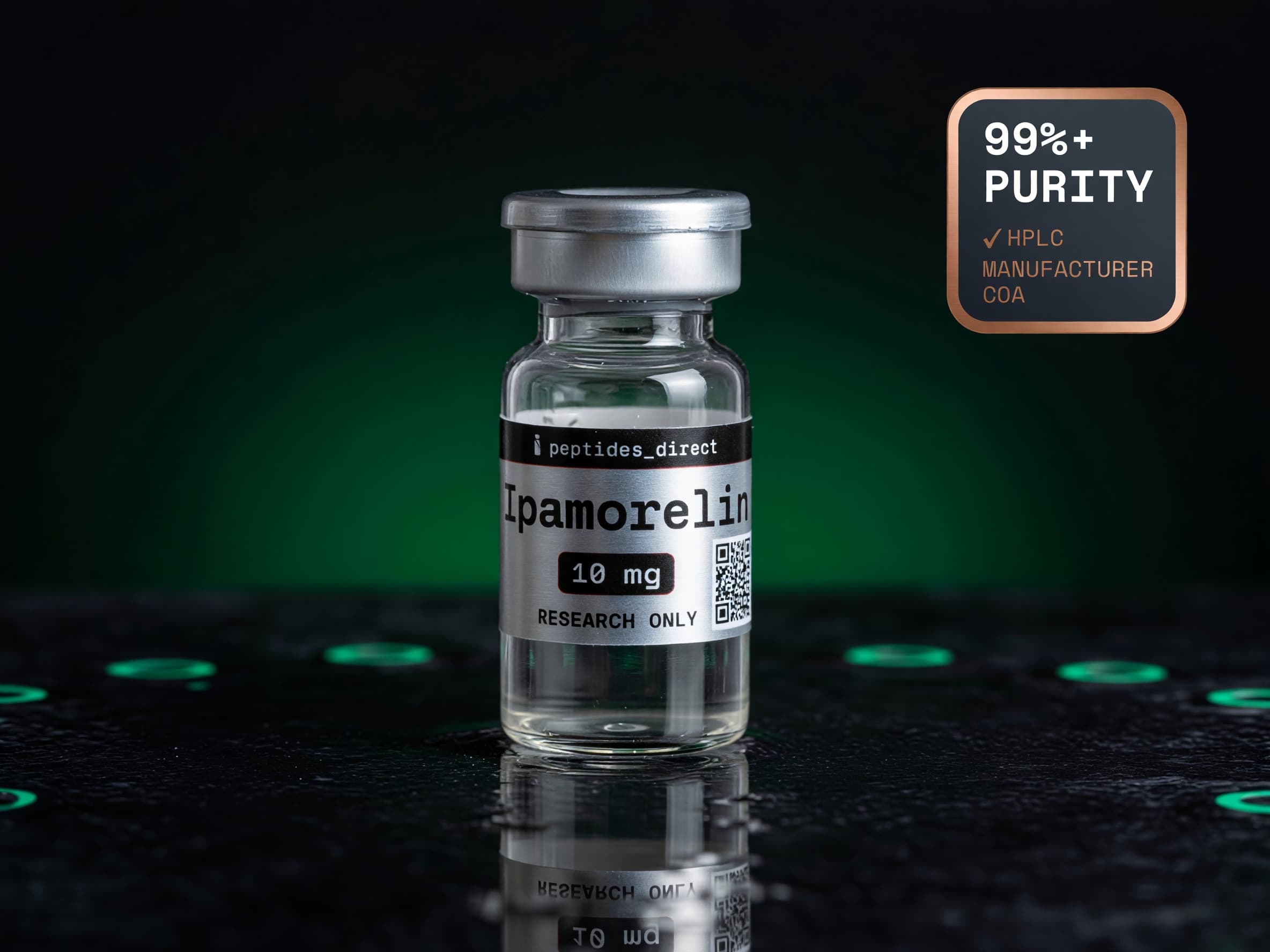
Ipamorelin
€41.99
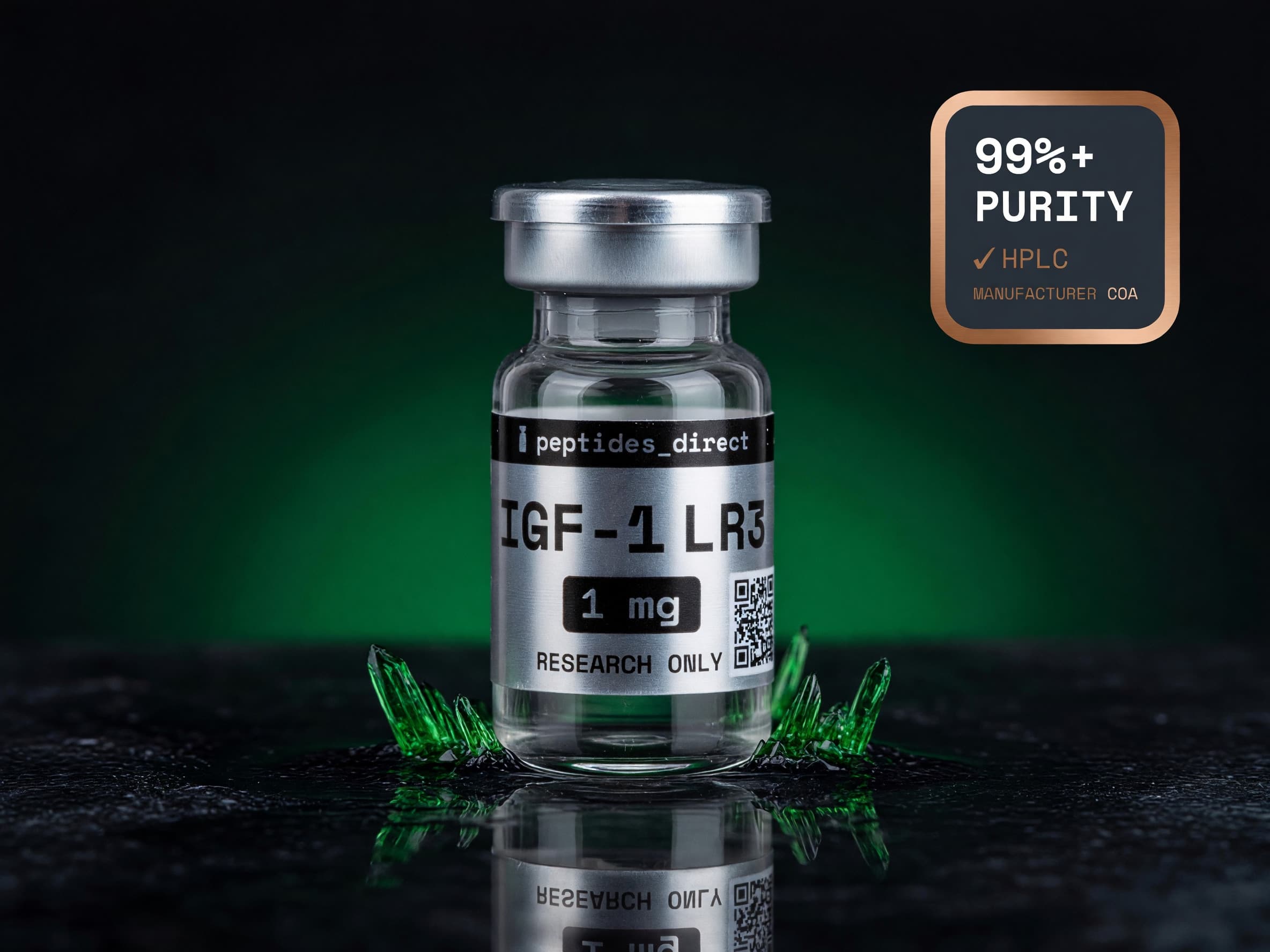
IGF-1 LR3
€74.99
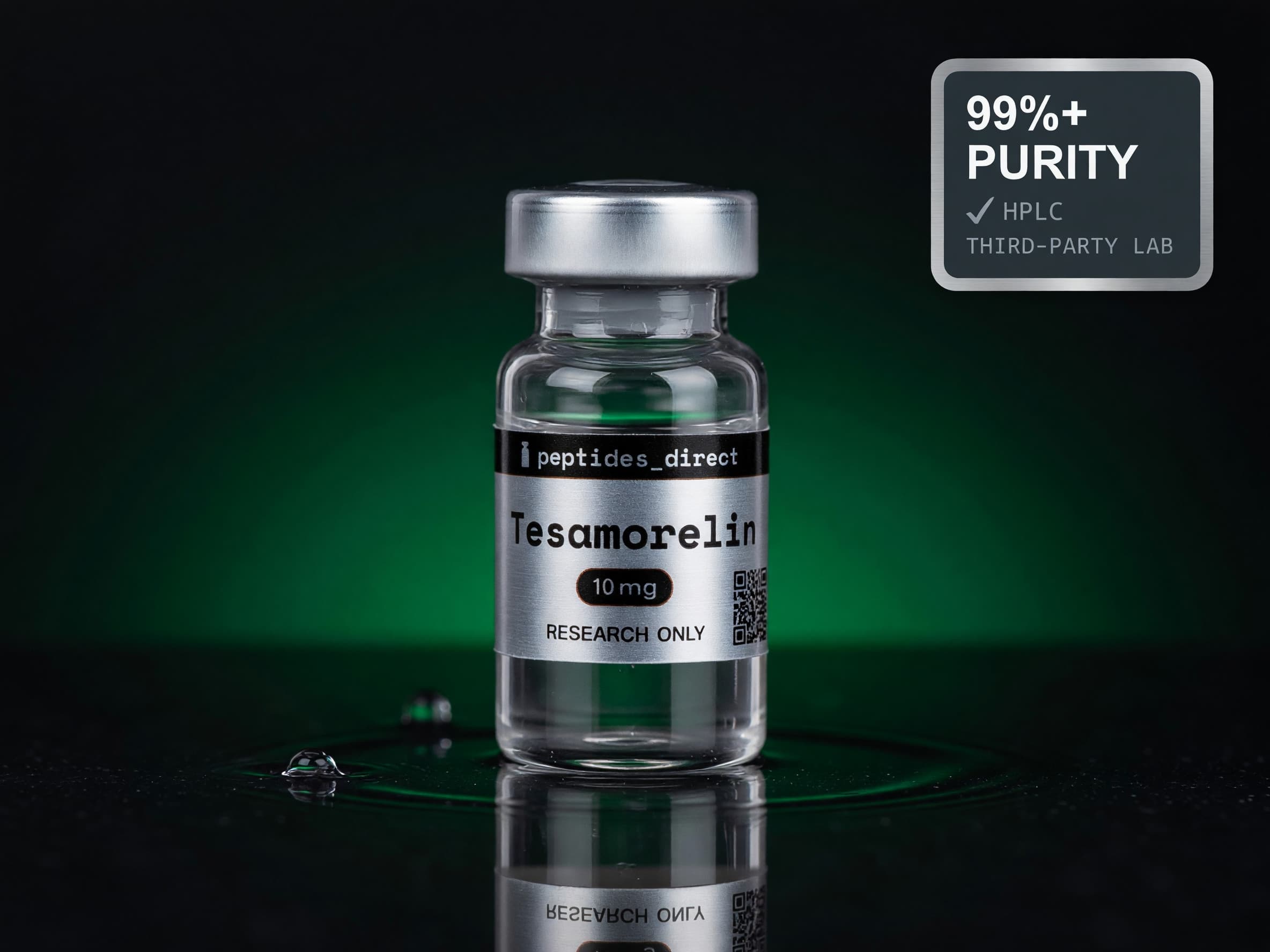
Tesamorelin
€64.99
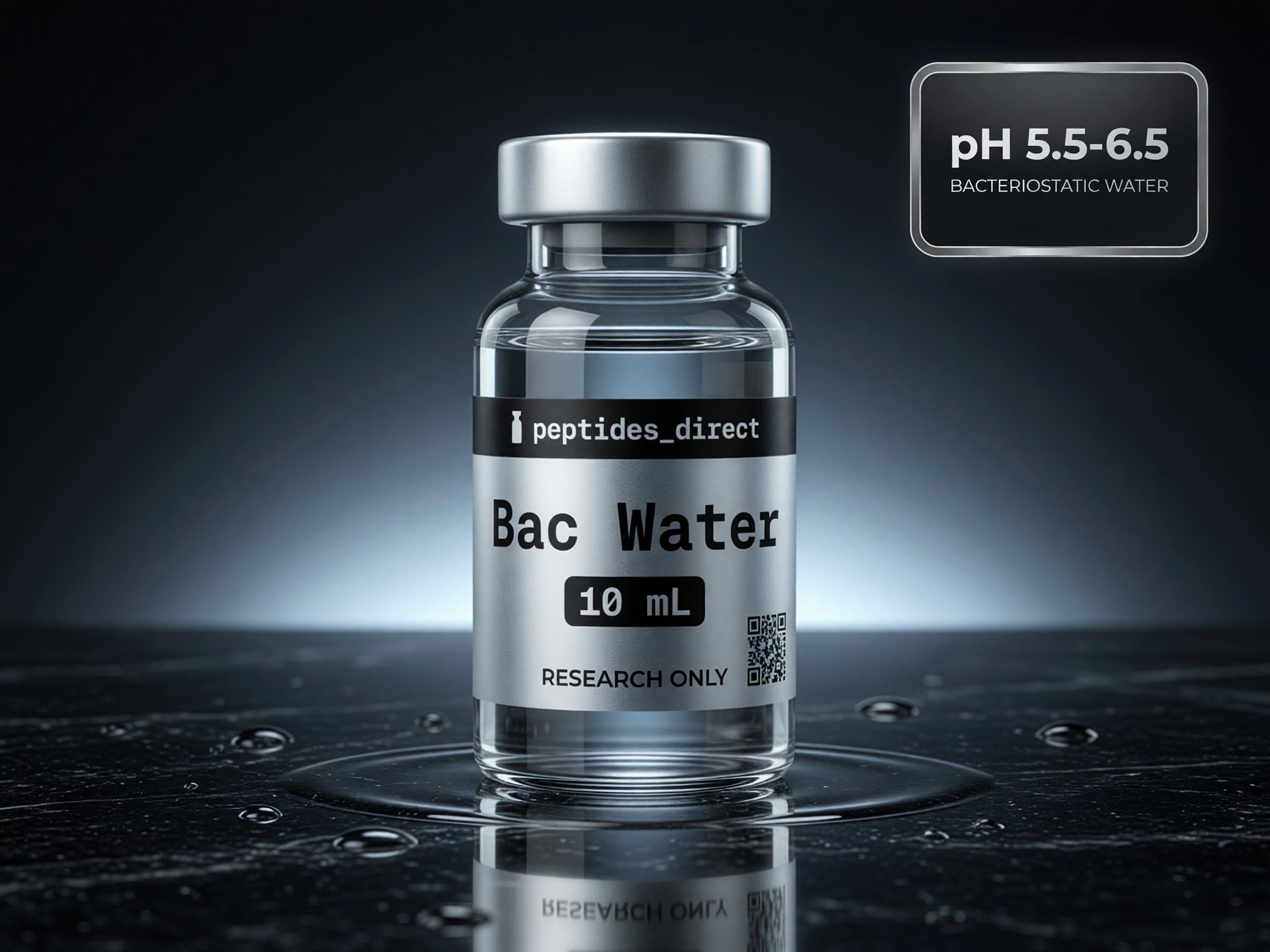
Bacteriostatic Water
€19.99
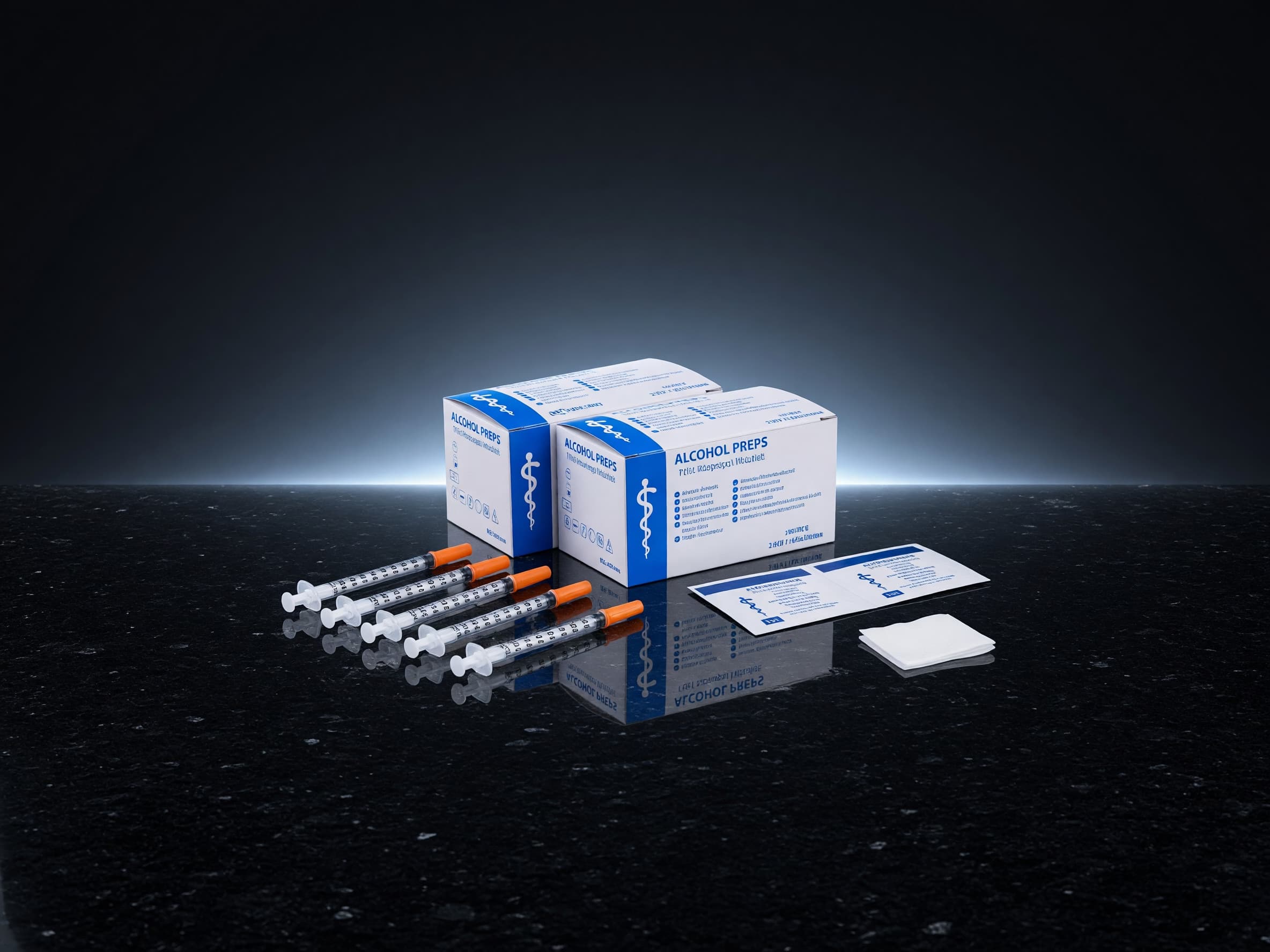
Lab Measuring Syringe + Prep Wipes Set (1 mL 31G)
€11.99
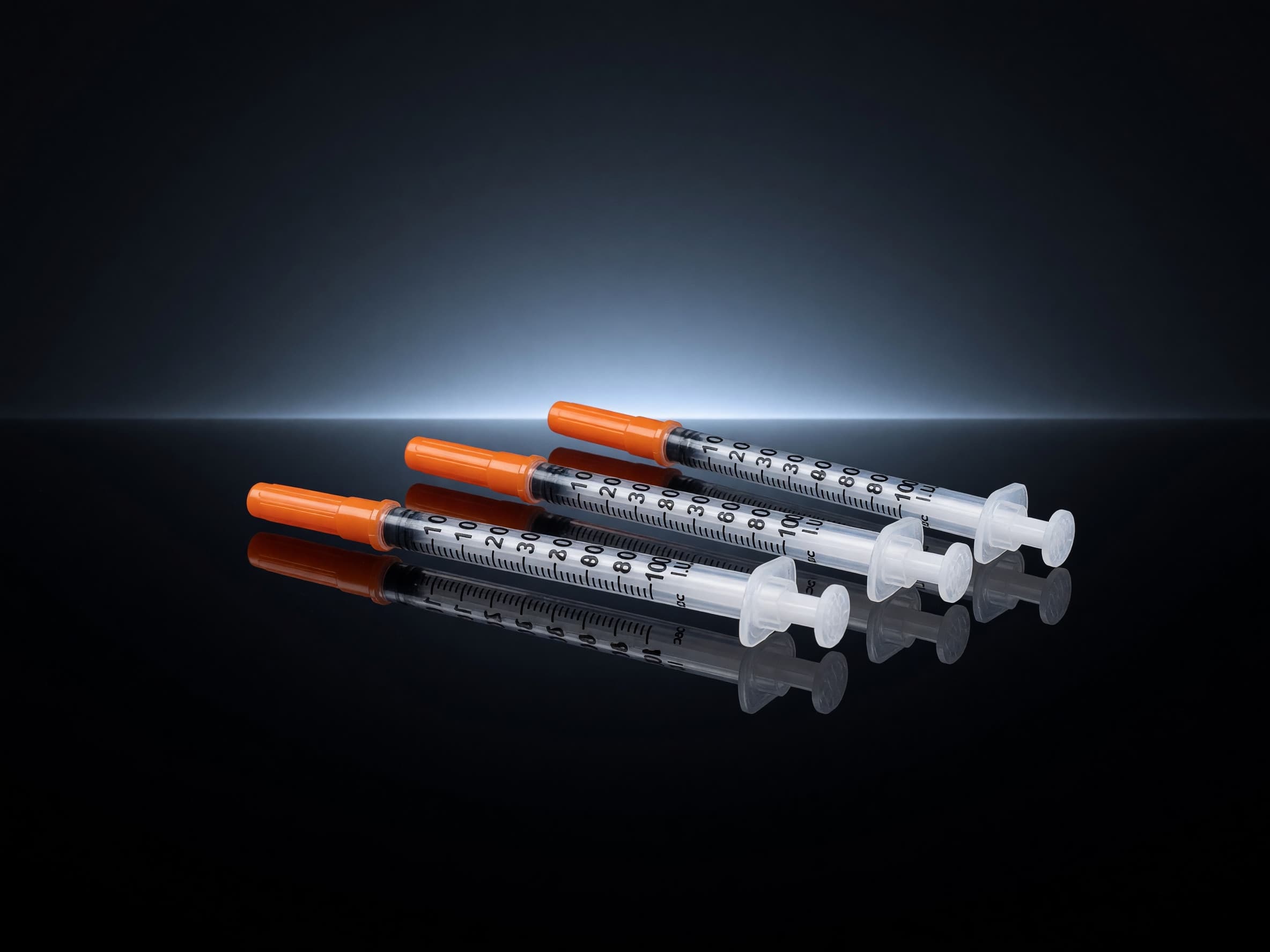
Graduated Measuring Syringe 1 mL 31G x 6 mm
€9.99
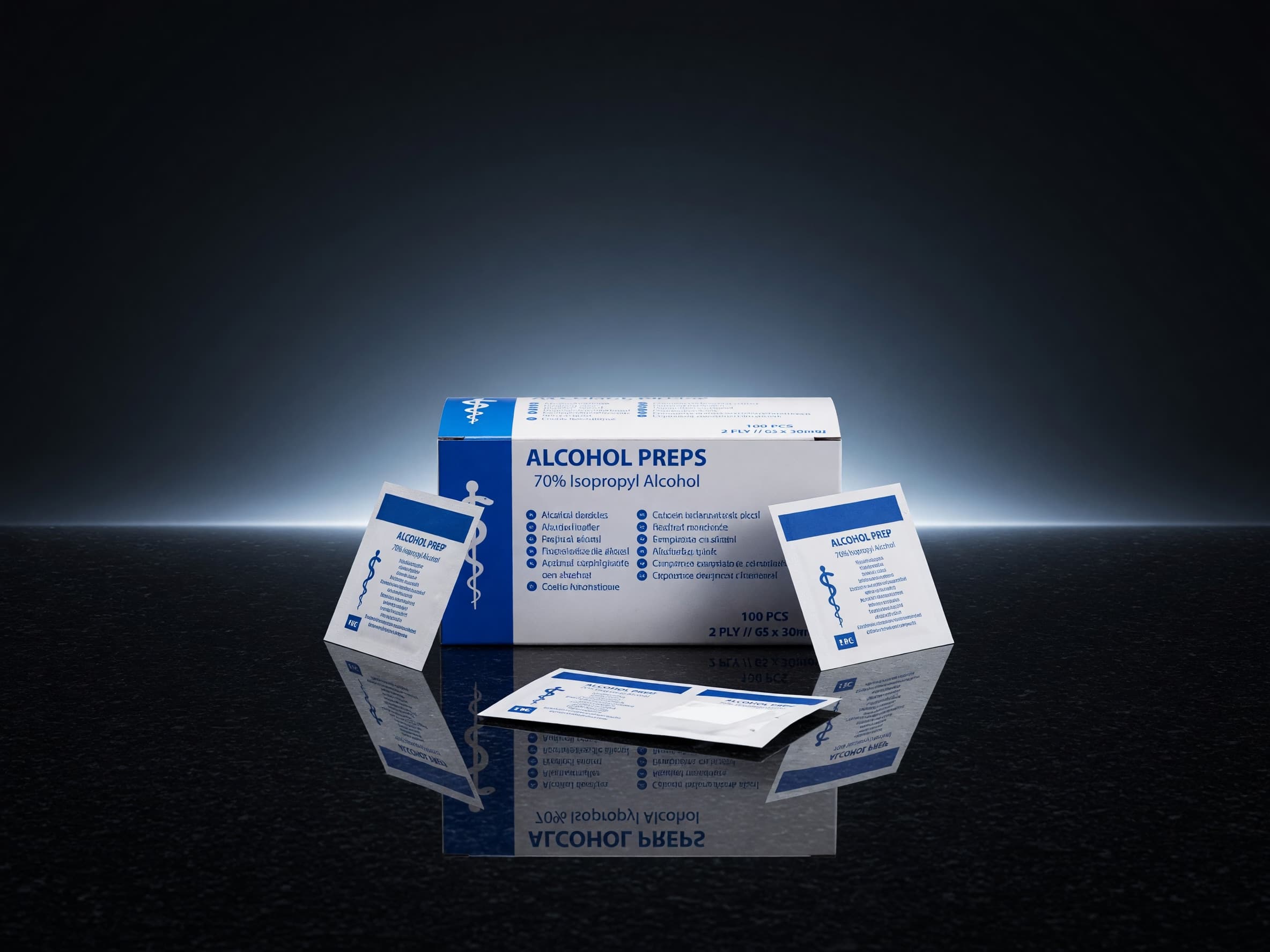
Alcohol Prep Pads 30 x 65 mm
€2.99
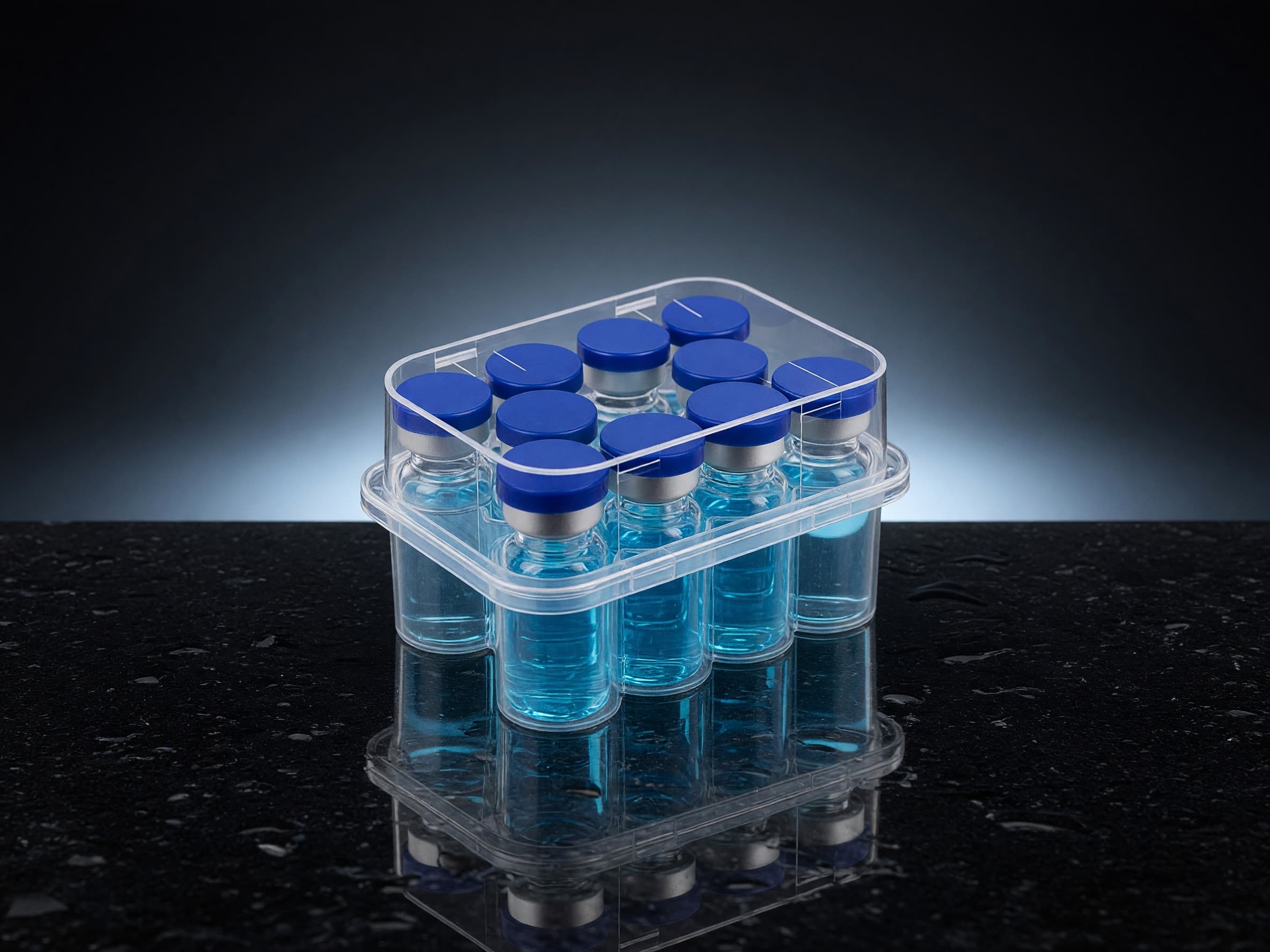
Peptide Storage Box (10 Compartments)
€4.99
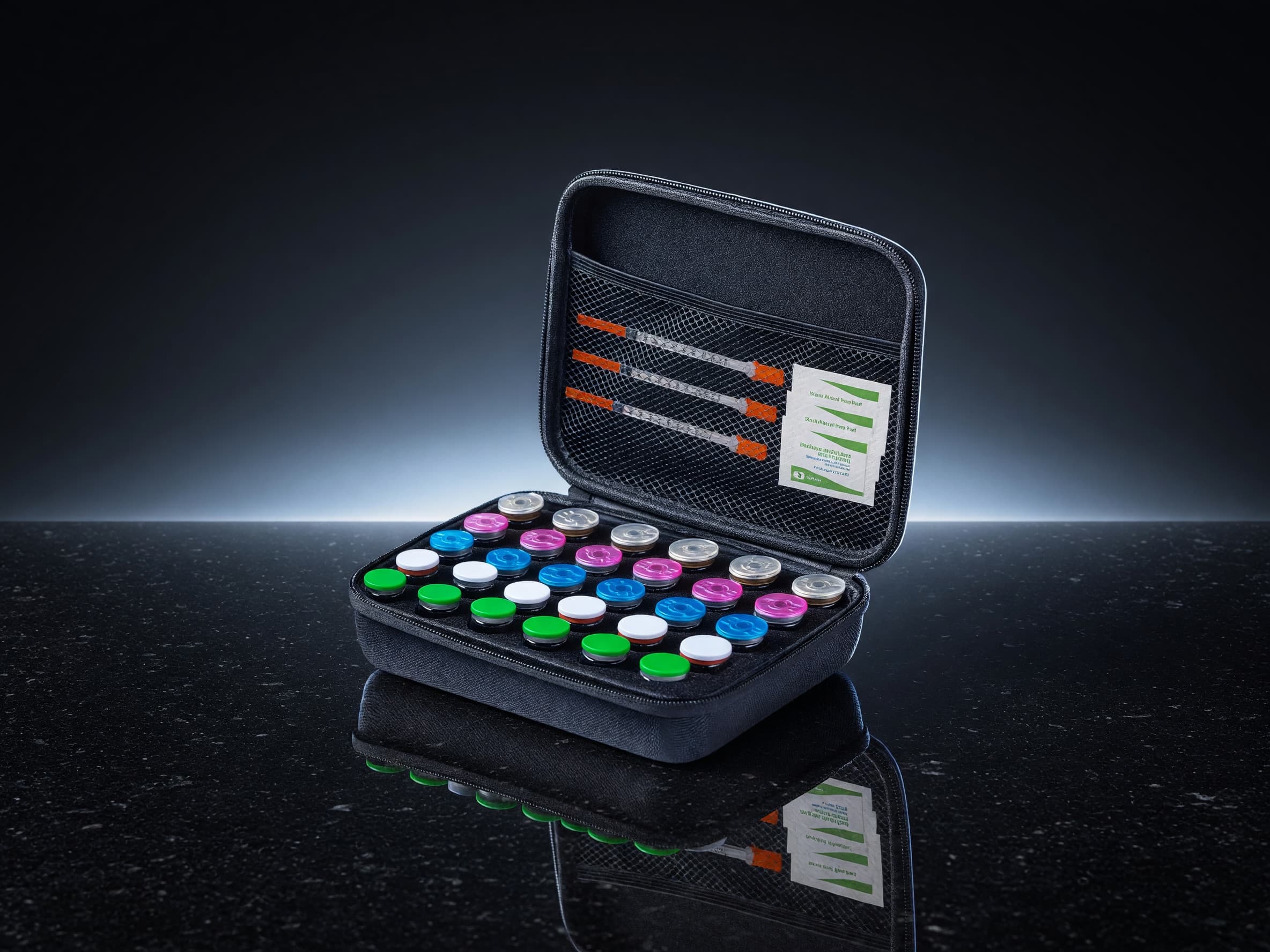
Peptide Vial Case 30 Slots
€29.99