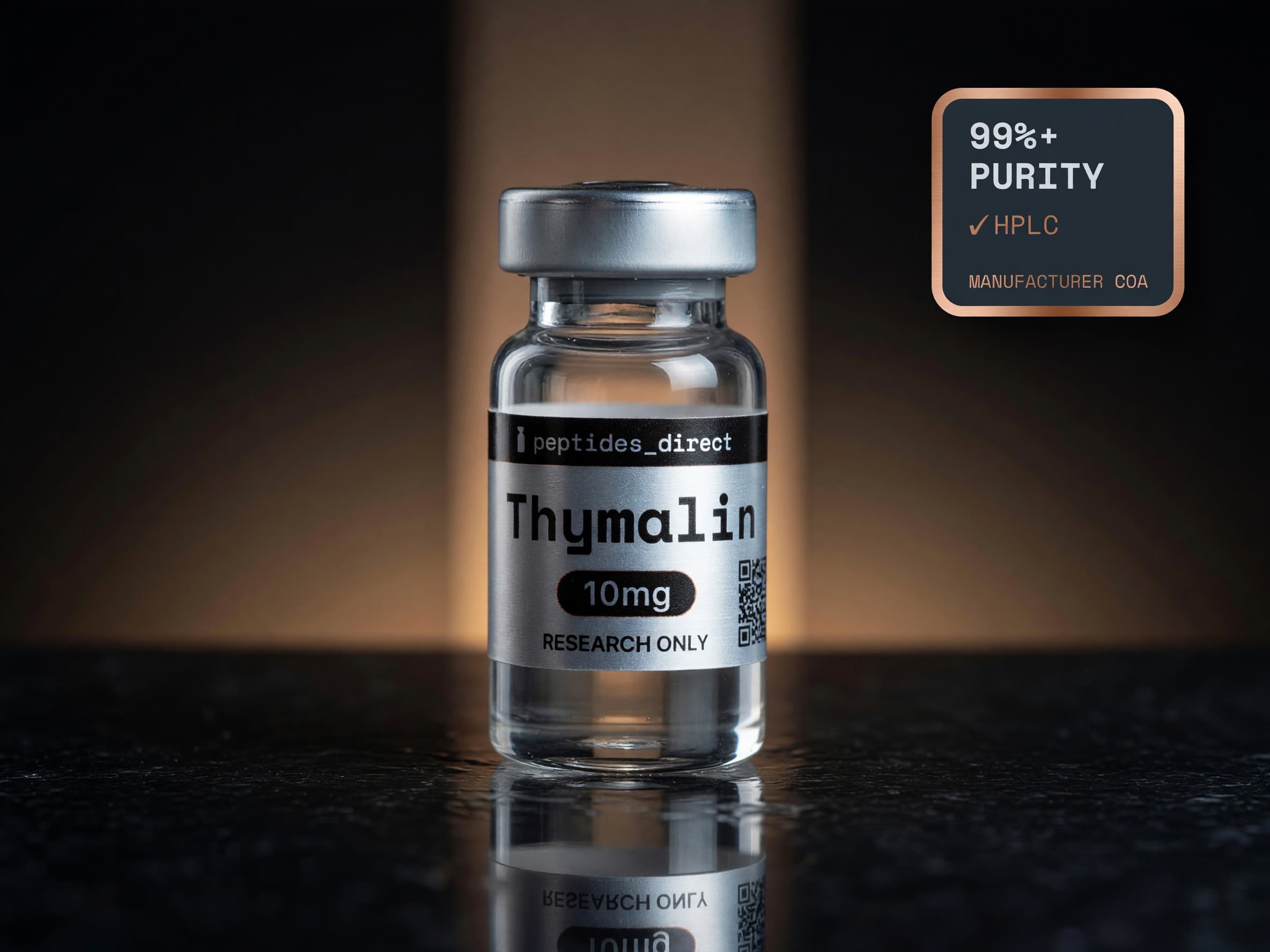
Thymalin
Thymus-derived immune peptide developed by Prof. Khavinson. Restores T-cell function and thymic activity that naturally decline with age. Over 40 years of clinical use in Russia for immune support and anti-aging research.
99.83%Third-party lab: JanoshikView COA€35.99
€42.99
−16%(€7.00)savedFor Research Use Only
This product is sold strictly for in-vitro research and laboratory use. Not intended for human consumption or any in-vivo application.
Payment Methods
Thymus peptide complex
Thymalin is a short-peptide extract of the thymus, the small gland behind the breastbone where T-cells learn to recognize threats.
T-cell maturation signal
Pushes immature thymus cells toward the T-helper lineage, restoring T and B lymphocyte populations in research models.
Immune normalization
Brings cytokine balance, lymphocyte counts, and antibody response back toward baseline in studies of weakened immunity.
Gerontology research
Long-running Russian trials place Thymalin among the most studied peptide bioregulators in the science of healthy aging.
Gene-level signaling
The active dipeptides (KE, EW) bind DNA and histone proteins, switching genes linked to immune defense and cell aging.
Khavinson legacy molecule
Developed by the Khavinson group at the St. Petersburg Institute of Bioregulation and Gerontology over four decades of work.
Research areas
What is Thymalin
Thymalin is an oligopeptide complex extracted from the thymus, a gland that drives immune training in early life and slowly shrinks with age. The complex was developed in the 1970s and 1980s by Vladimir Khavinson and colleagues in Saint Petersburg as part of a family of short peptide bioregulators. It contains a mix of small peptides, with KE (Lys-Glu) and EW (Glu-Trp) identified as the main active fragments.
We supply Thymalin in lyophilized (freeze-dried) form for laboratory research only.
How it works
The thymus shapes the young immune system. As it shrinks during adulthood, T-cell output drops and infections, autoimmune drift, and weaker vaccine responses become more common. Thymalin peptides act like a chemical memory of a young thymus: they bind directly to DNA and histones, opening genes that drive T-cell maturation, cytokine balance, and lymphocyte differentiation.
In published research the complex restores T and B lymphocyte counts, normalizes cytokine profiles, and activates hematopoietic stem cell differentiation. In aged animals and elderly research cohorts, Thymalin has shown geroprotective patterns: lower apoptosis in lymphocytes, more orderly chromatin in immune cells, and shifts in gene programs linked to biological aging.
Often studied alongside
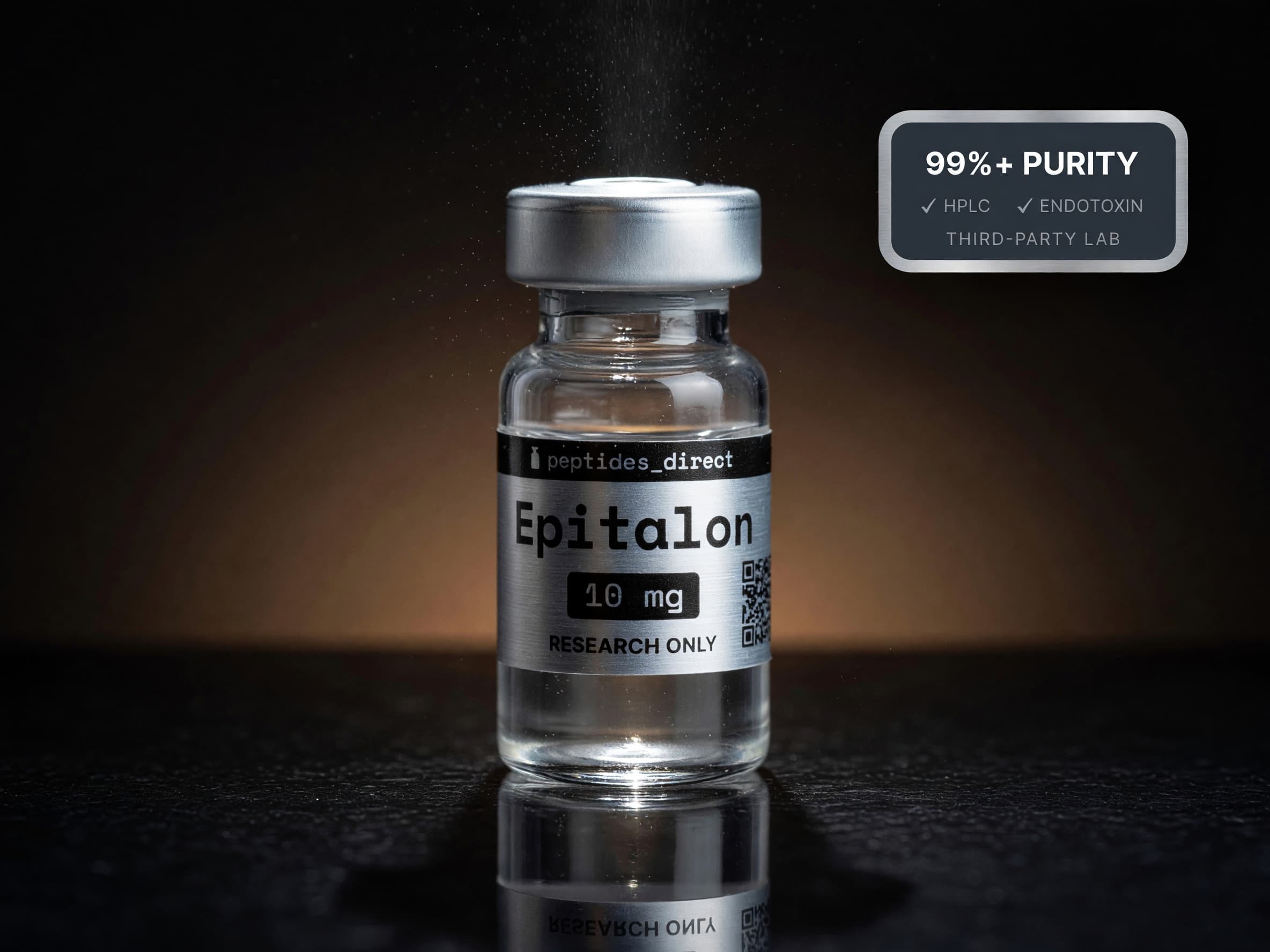
Thymalin is the cornerstone of the Khavinson peptide stack. Long-term gerontology trials most often paired it with the related pineal preparation Epithalamin, the natural precursor of the synthetic peptide Epitalon, which targets telomerase and circadian rhythm. The two together are the classic Russian longevity protocol in the published record.
Pineal-gland peptide paired with Thymalin in longevity research
Tetrapeptide (Ala-Glu-Asp-Gly) that activates telomerase, the enzyme responsible for maintaining telomere length. One of the most studied peptides in longevity research, developed by Prof. Khavinson at the St. Petersburg Institute of Bioregulation.
In modern longevity stacks, mitochondrial peptides such as MOTS-c are often added to extend the focus from immune aging to cellular energy.
Mitochondrial peptide for cellular energy research
Mitochondrial-derived signaling peptide (16 amino acids) that mimics the effects of exercise at the cellular level. Activates AMPK, improves glucose uptake, and enhances fat metabolism - a key tool in metabolic and longevity research.
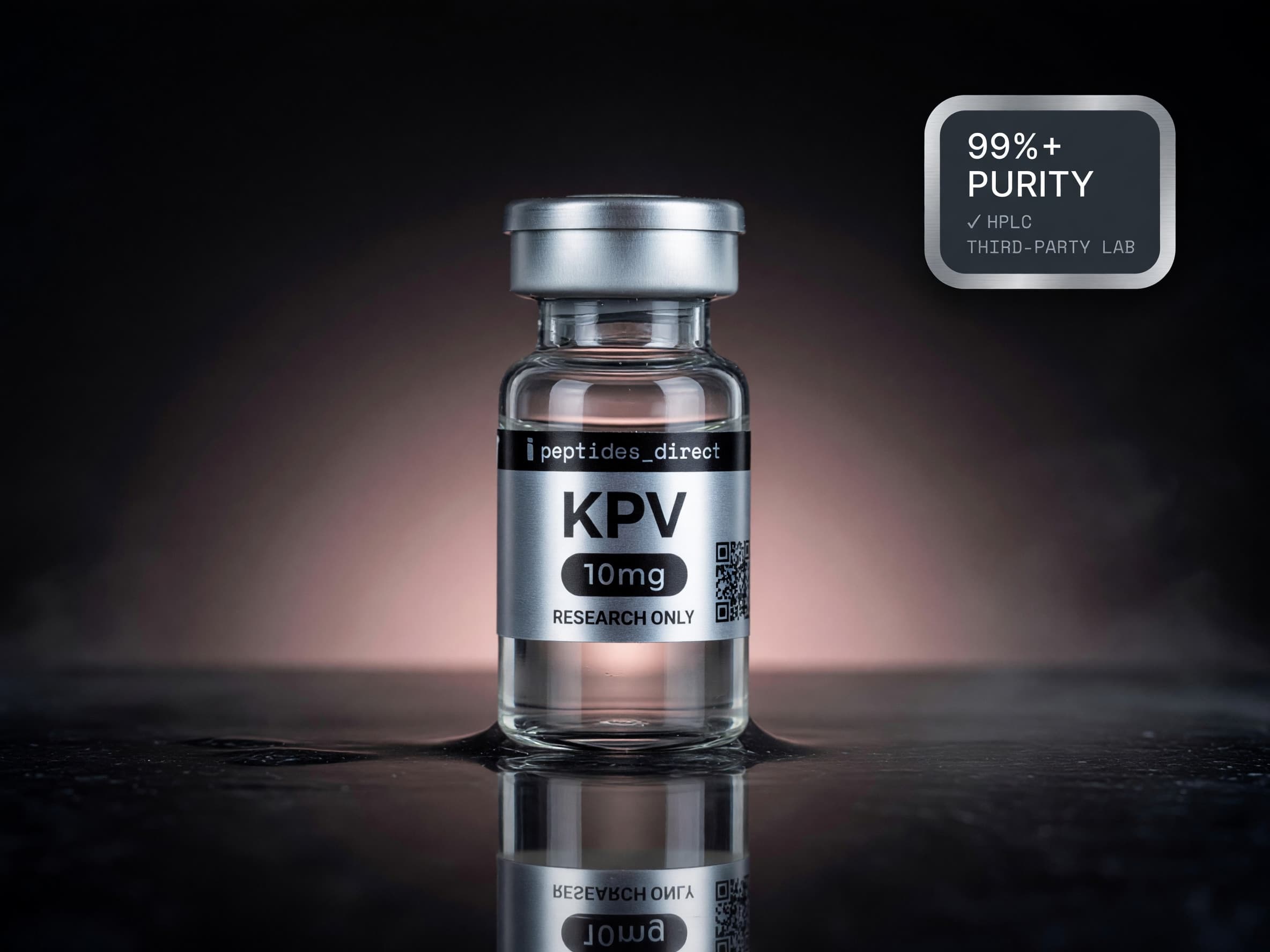
Researchers occasionally compare Thymalin with Thymosin Alpha-1, a separate single 28-amino-acid thymic peptide approved as Zadaxin in over 35 countries. While Thymalin acts as a bioregulator complex, TA1 directly stimulates T-cell maturation via TLR2/9 signaling. The two are studied as complementary thymic approaches with different molecular mechanisms.
Single 28-amino-acid thymic peptide approved as Zadaxin
Synthetic 28-amino-acid immunomodulatory peptide. Approved as Zadaxin in 35+ countries for chronic hepatitis B and C. Studied in 30+ trials across 11,000+ subjects for immune modulation via TLR2/9 dendritic cell signaling.
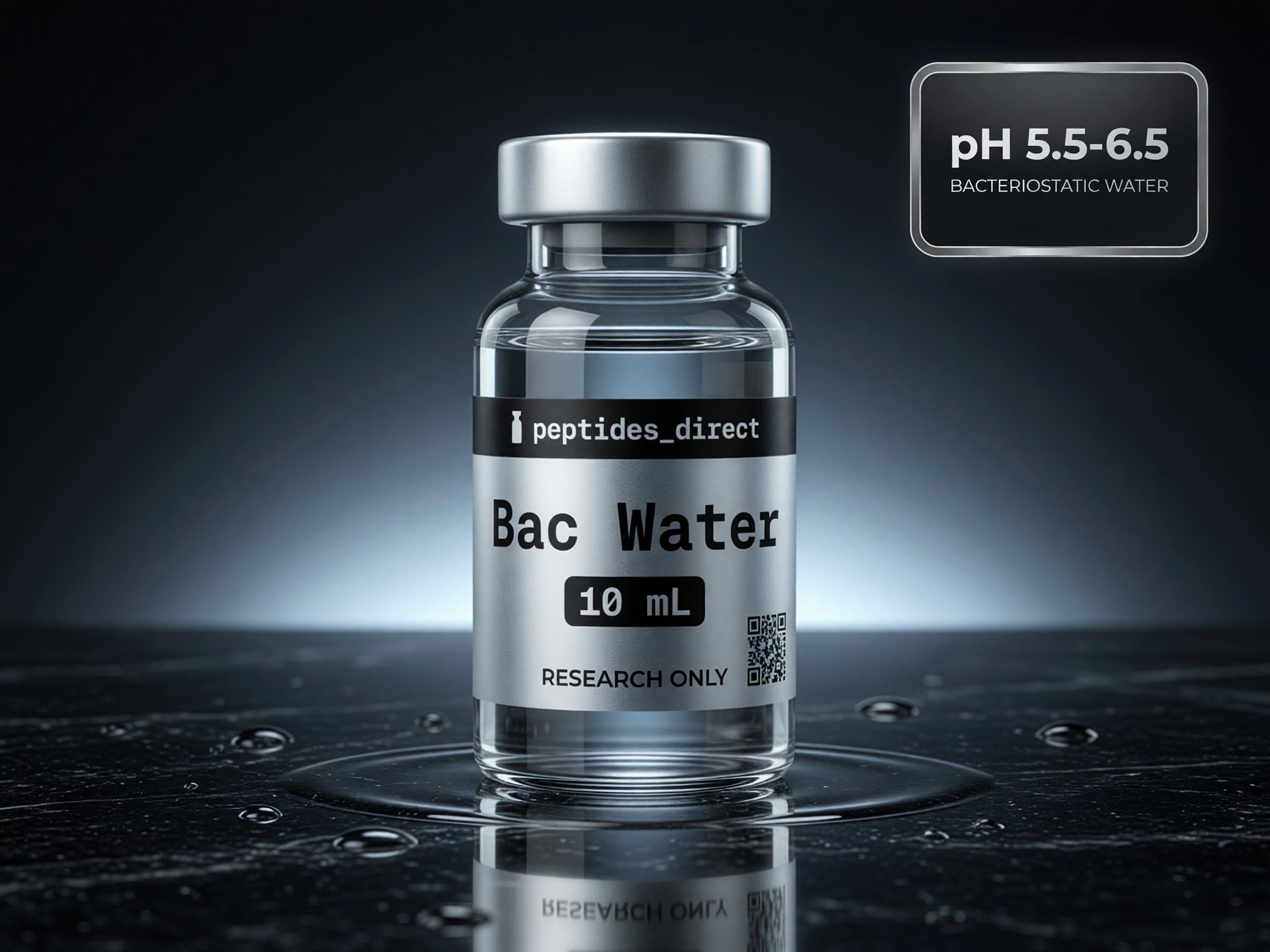
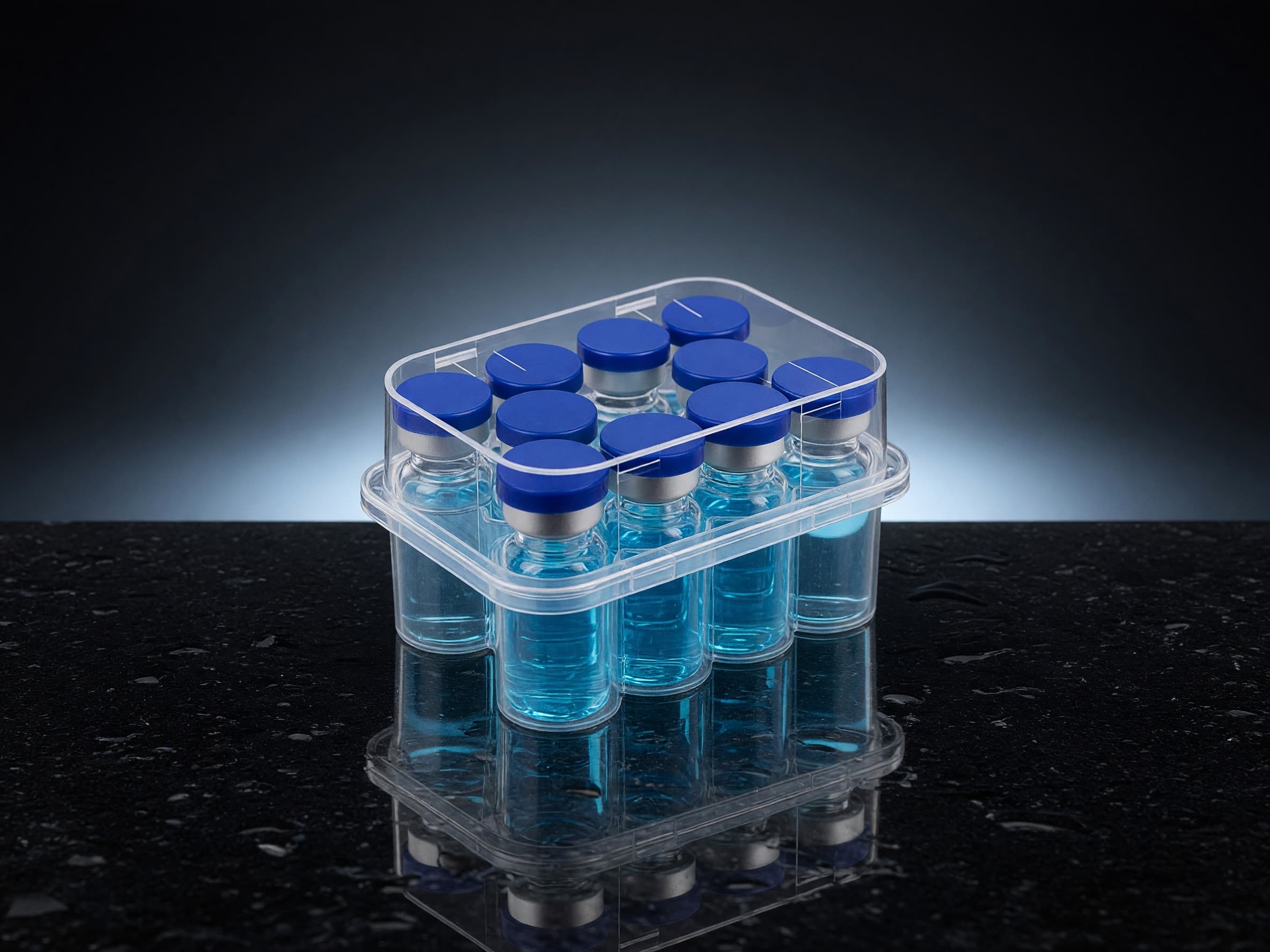
For reconstitution, the standard solvent in published protocols is bacteriostatic or sterile water.
Standard solvent for reconstitution
USP-grade sterile water with 0.9% benzyl alcohol (near-neutral, pH 6.2 to 6.4) - the standard solvent for reconstituting lyophilized peptides. Essential accessory for any peptide research. Each vial is sealed and ready to use.
Documentation
Material specification
Purity
Test method
Form
Storage (sealed)
Storage (reconstituted)
CoA
Selected research
- PMID 14523363
Khavinson VKh, Morozov VG. Peptides of pineal gland and thymus prolong human life
Neuro Endocrinol Lett, 2003, randomized clinical trial on geroprotective peptides - PMID 33237528
Khavinson VK et al. Thymalin: Activation of Differentiation of Human Hematopoietic Stem Cells
Bull Exp Biol Med, 2020, hematopoietic stem cell differentiation - PMID 33575961
Khavinson VK et al. Activator of Hematopoietic Stem Cell Differentiation in Complex Therapy for Patients with COVID-19
Stem Cell Rev Rep, 2021, immune restoration in viral infection - PMID 37686182
Linkova N, Khavinson V et al. Influence of KE and EW Dipeptides in the Composition of the Thymalin Drug on Gene Expression
Int J Mol Sci, 2023, mechanism of active dipeptides on gene expression - PMID 35408963
Avolio F, Khavinson VK et al. Peptides Regulating Proliferative Activity and Inflammatory Pathways in the Monocyte/Macrophage THP-1 Cell Line
Int J Mol Sci, 2022, immune cell signaling and inflammation - PMID 29797130
Zhukova GV et al. Effect of Thymalin on the Tumor and Thymus under Conditions of Activation Therapy In Vivo
Bull Exp Biol Med, 2018, thymus activity in aged animal model - PMID 24734422
Kuznetsova TA et al. Comparative study of immunomodulatory activity of peptides, tinrostim and thymalin
Antibiot Khimioter, 2013, comparative immunomodulation study
Research use only
This material is sold strictly for in-vitro research and laboratory use. Not intended for human or animal consumption, medical, cosmetic, or household applications. Suitable only for professional laboratory environments.
Storage and stability
- Dry, lyophilized vials keep for months refrigerated, or up to 24 months frozen at -20°C.
- After reconstitution in bacteriostatic water, use within about 30 days at 2 to 8°C, and avoid repeated freeze-thaw.
Reviews
No reviews yet. Write the first one!
Only customers who ordered the product from us can leave a review; we verify this automatically against the order number. Every review submitted is published, regardless of star rating. Rewarded reviews from our coupon program are individually labelled.
Frequently Asked Questions
Frequently bought together
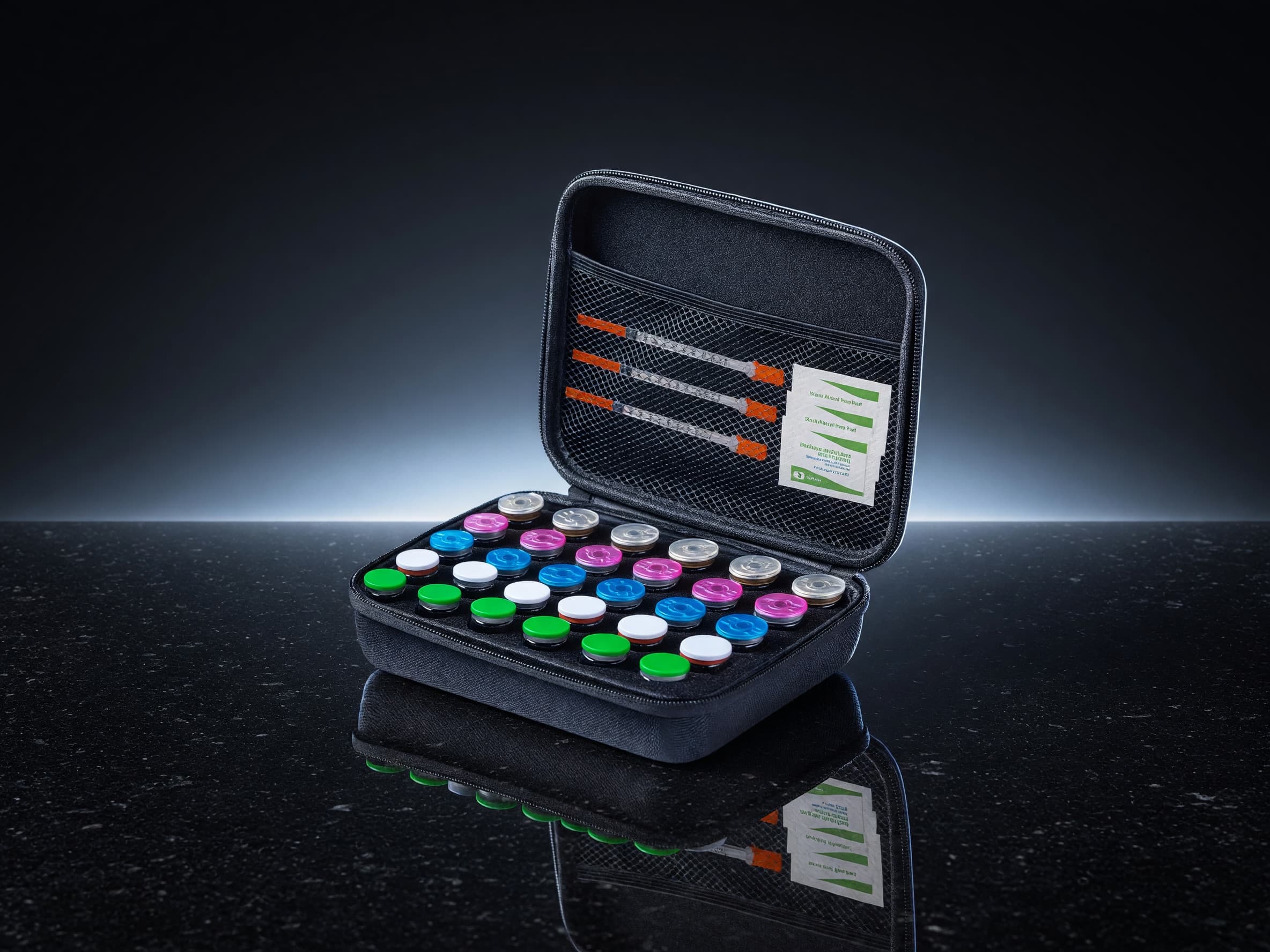
Complete your subcutaneous research workflow